
Fidelity Buy Orders Are Not Allowed For This Security
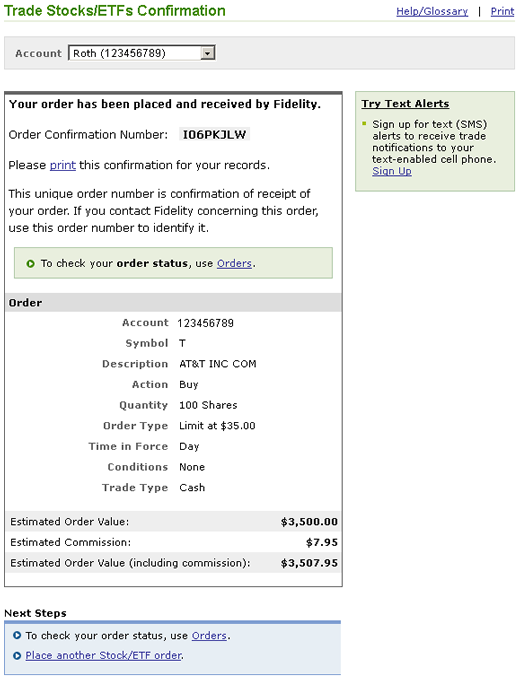
Ever hit that "buy" button on your investment app, feeling confident, perhaps a little giddy, only to be met with a cryptic message like, "Fidelity Buy Orders Are Not Allowed For This Security?" It’s like arriving at a swanky VIP lounge, only for the bouncer to politely but firmly tell you, "Not tonight, pal." Your initial reaction might be a mix of confusion, frustration, and maybe a dash of FOMO (Fear Of Missing Out) – is this the next big thing, and are you being blocked from it?
Relax, take a deep breath, and maybe grab a kombucha. This isn't Fidelity personally trying to rain on your investment parade. In fact, it’s often quite the opposite – it's a sophisticated system looking out for your financial well-being, much like a good chef might refuse to serve you an ingredient that’s out of season or potentially unsafe.
The Mystery Unveiled: Why the "No Go" Sign?
Think of the stock market as a vast, bustling metropolis. Most securities trade on well-regulated, brightly lit boulevards like the NYSE or Nasdaq. But there are also quieter, sometimes murkier alleys and backstreets. When Fidelity (or any reputable brokerage) puts up a "No Buy" sign, it's usually for one of several good reasons:
Must Read
-
Risk Mitigation: This is the big one. Some securities carry inherent risks that are simply too high for Fidelity's general brokerage policy, designed to protect its clients. We're talking about incredibly volatile assets that could disappear faster than your hopes for a quiet Monday morning.
-
Illiquid & Sketchy Waters: Many restricted securities fall into categories like penny stocks, Over-The-Counter (OTC) stocks, or obscure foreign companies. These often have very low trading volumes, making them "illiquid." Imagine trying to sell a rare, niche collectible – finding a buyer can be tough. For stocks, this means wild price swings and difficulty selling when you want to, making them a high-stakes gamble.
-
Trading Halts & Corporate Actions: Sometimes, a security might be temporarily halted from trading by the exchange itself due to pending news (like a merger, earnings announcement, or a major investigation), or regulatory issues. These halts are often for your protection, allowing information to disseminate fairly or problems to be resolved before trading resumes. In other cases, a company might be delisting, undergoing a reverse split, or facing bankruptcy.
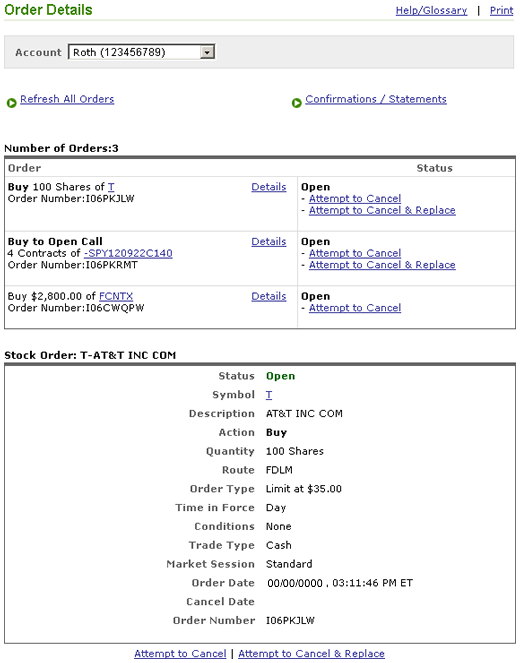
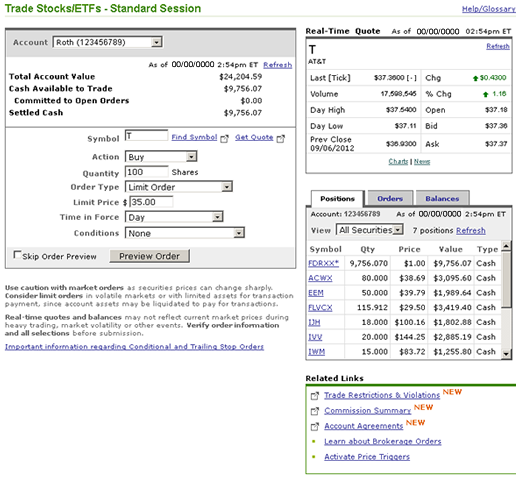
Trading FAQs: Placing Orders - Fidelity -
Fidelity's House Rules: Just like a five-star restaurant has standards for what it serves, brokerages have their own internal policies. Fidelity might restrict access to certain securities to comply with specific regulatory requirements, or because they simply haven't done the due diligence to vet them, especially for smaller, international, or highly speculative assets. They’re saying, "We can't vouch for this, so we're not facilitating its purchase."
It’s not personal; it’s just good business practice. And sometimes, it’s personal protection for your portfolio. This message is essentially a digital bouncer preventing you from wandering into a potentially risky neighborhood without a map and a bodyguard.
So, What's a Savvy Investor to Do?
Seeing that message isn't a dead end; it's a redirection. Here’s your game plan:
-
Don't Panic (or FOMO): Take a beat. The world isn't ending, and you're not missing out on the only golden ticket. There are millions of other investment opportunities out there.
-
Investigate: This is your chance to play detective. Google the security's ticker symbol along with terms like "news," "halt," "OTC," or "delisted." You'll quickly uncover why it's restricted. You might find it's a company with no revenue, questionable management, or active fraud investigations. Phew, bullet dodged!
-
Understand Your Broker: Familiarize yourself with Fidelity's (or any brokerage's) policies regarding penny stocks, foreign securities, or illiquid assets. Most have clear guidelines, and understanding them empowers you to make smarter choices from the get-go.
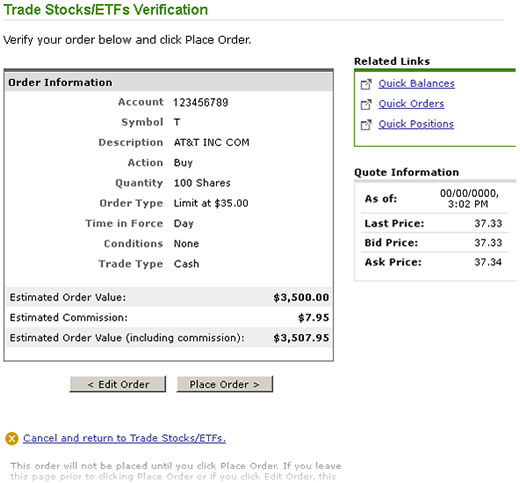
Trading FAQs: Placing Orders - Fidelity -
Look for Alternatives: If you were genuinely interested in a specific sector or type of asset, consider publicly traded, well-regulated alternatives. Often, there are ETFs (Exchange Traded Funds) or other established companies in the same space that offer a much safer way to invest.
-
Patience is a Virtue: If the restriction is due to a temporary trading halt, sometimes patience pays off. Keep an eye on the news, and the security might become available again once the issue is resolved.
Remember those old "pink sheets" of yesteryear, where obscure stocks were manually listed and traded with little oversight? We've come a long way. This digital "no entry" sign is a modern evolution of market protection, helping you navigate complex financial waters with a little less risk.
Beyond the Buy Button: A Life Lesson
This little message, "Fidelity Buy Orders Are Not Allowed For This Security," offers a surprisingly profound life lesson. It's a reminder that sometimes, the best choices aren't about saying "yes" to every opportunity, but about knowing when to say "no" – or, perhaps more accurately, when to listen when someone else says "no" on your behalf.
Think about it: whether it's an impulse purchase that would drain your savings, a commitment that stretches you too thin, or a questionable recipe that promises quick results but uses dubious ingredients – there are moments in life when boundaries, even restrictive ones, serve a greater purpose. They protect our energy, our peace of mind, and our well-being.
So, the next time you encounter this financial velvet rope, don't just see a roadblock. See it as a nudge towards prudence, a gentle whisper of caution, and a valuable lesson in trusting the systems designed to keep you safe. It’s a gentle reminder that sometimes, the universe (or your brokerage) is simply looking out for you, redirecting you towards paths that are not just exciting, but also sustainable and truly beneficial.