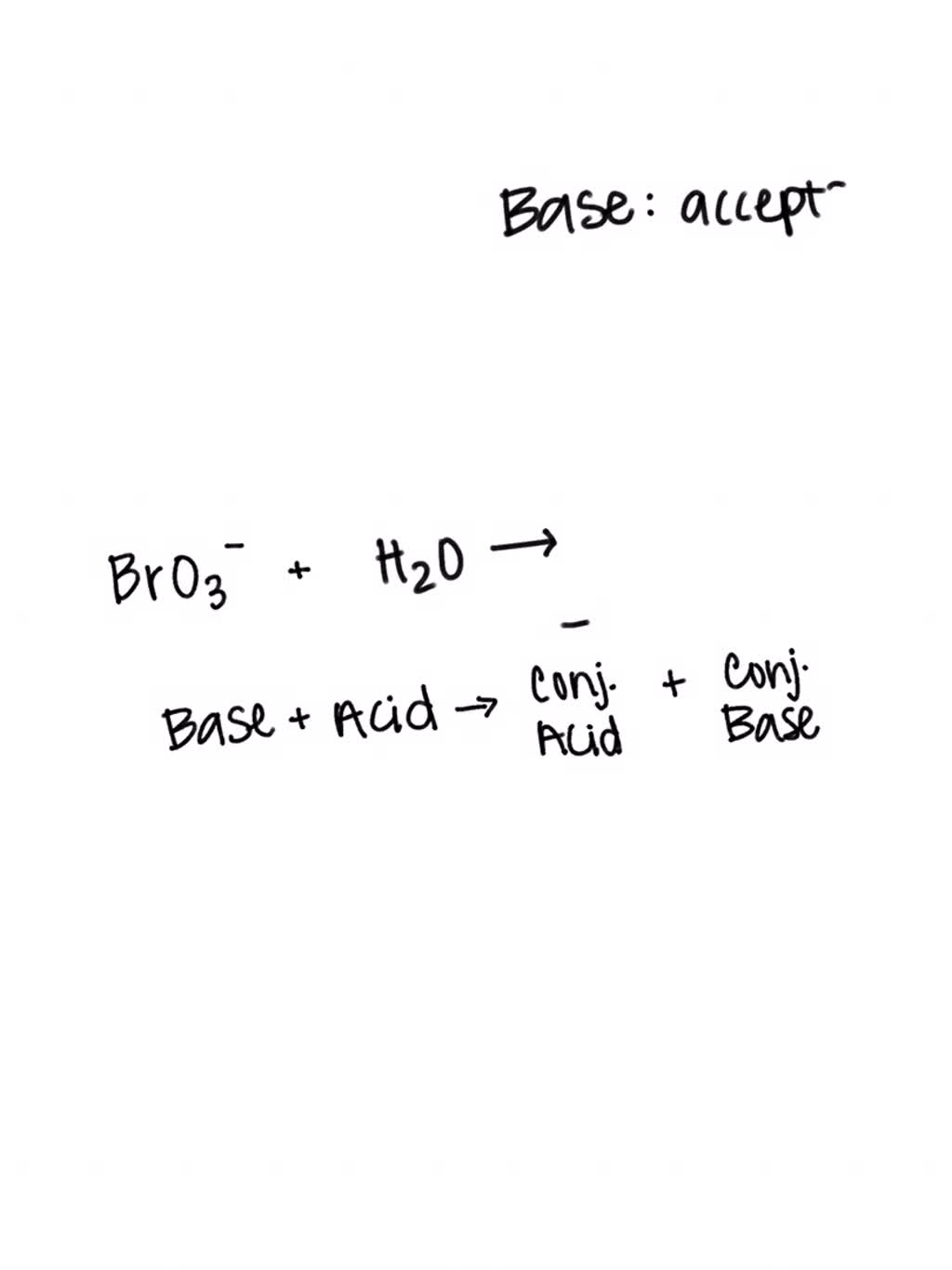
Fading/bleaching Of An Indicator Molecule Reacting With A Strong Base
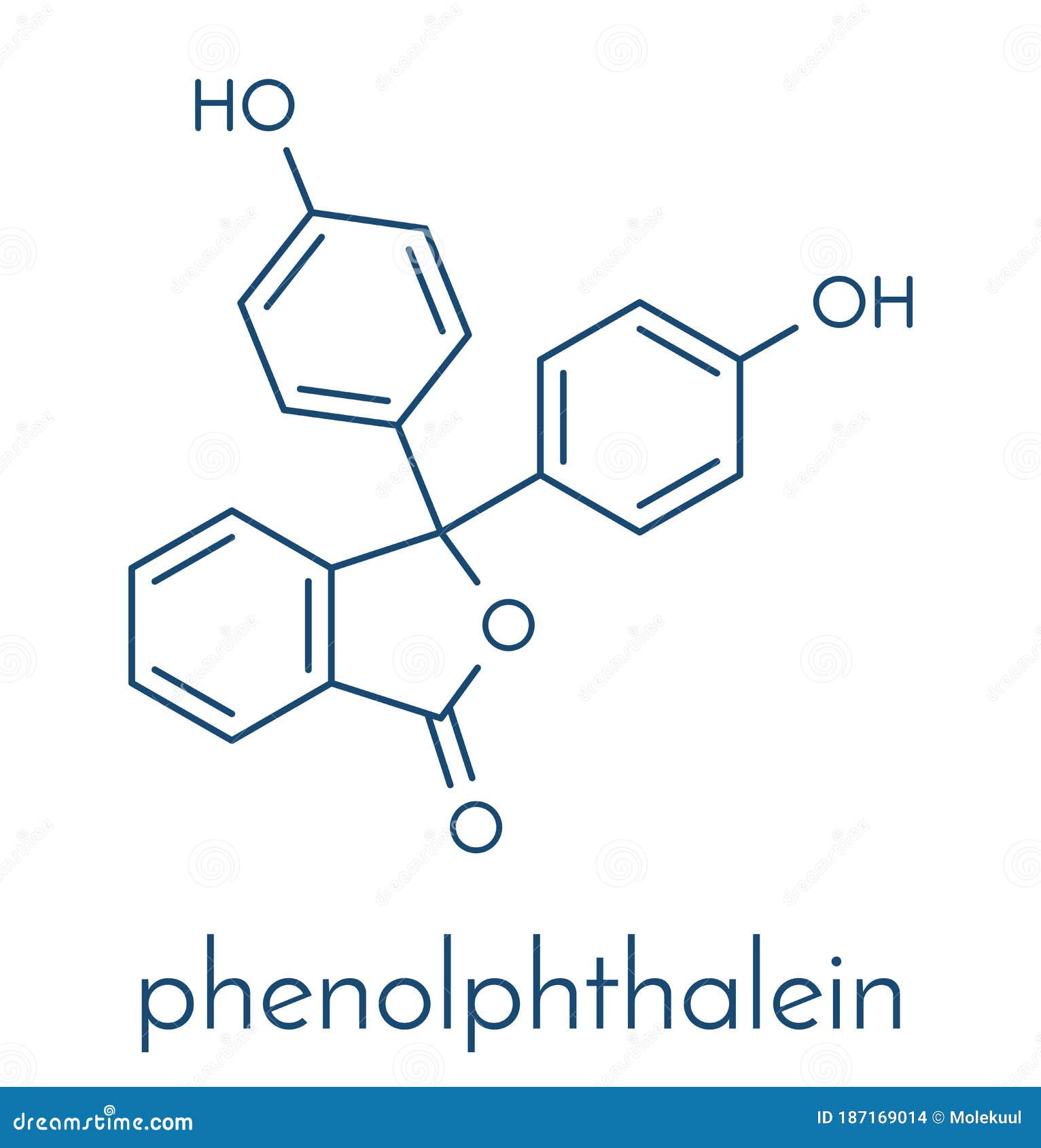
Ever stared at a vibrant, almost neon-colored drink and thought, "Wow, that's intense!"? Well, what if I told you that vibrant color might be on the verge of a serious transformation? We're diving into the fascinating world of indicator molecules and their dramatic reaction with strong bases, specifically focusing on the fading or bleaching effect.
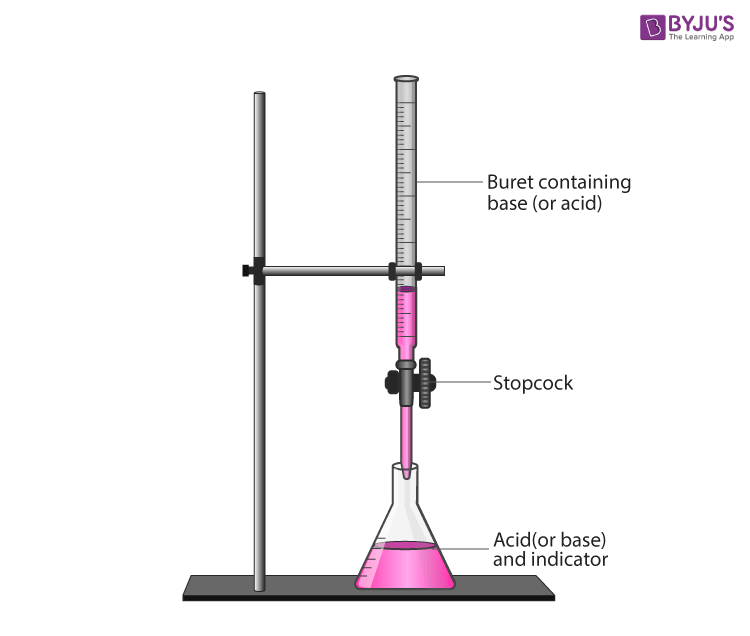
Think of indicator molecules as tiny color-changing ninjas. They're chemical compounds that react to changes in their environment, specifically changes in pH (acidity or alkalinity). You've probably encountered them before, even if you didn't realize it. Remember those pH test strips you used in school? Those are coated with indicator molecules!
The Science Behind the Shade Shift
So, what happens when these colorful warriors meet a really strong base? It's like a chemical dance-off, and the base is leading with some powerful moves. Strong bases, also known as alkaline substances, have a high concentration of hydroxide ions (OH-). When an indicator molecule encounters this surge of OH-, things get interesting.
Must Read
The base essentially attacks the structure of the indicator molecule. This attack can cause the molecule to change shape, and since a molecule's shape determines how it absorbs and reflects light, a change in shape equals a change in color! In many cases, this interaction leads to the destruction of the chromophore, the part of the molecule responsible for the color. And poof! The color fades or bleaches away.
From Lab Coats to Life Hacks
Now, I know what you might be thinking: "Okay, cool science stuff, but how does this affect my life?" Well, understanding this principle can actually be surprisingly useful. Consider this:
- Homemade Cleaners: Ever mixed baking soda (a mild base) with a colorful cleaning product and noticed a color change? That's the indicator reacting! It might not always be a bleach, but it indicates a chemical reaction.
- Gardening Guru: Soil pH is crucial for plant health. Indicator-based soil testing kits use color changes to determine if your soil is too acidic or alkaline, helping you choose the right plants and fertilizers. Think of it as a color-coded plant whisperer.
- Culinary Chemistry: Certain foods contain natural indicator molecules. Red cabbage, for instance, changes color depending on the acidity of the dish. Add a splash of vinegar (acid) and watch it turn pink! It’s like your food is putting on a performance.
A Cultural Connection: The Tie-Dye Twist
Speaking of color changes, let's talk tie-dye! While the bleaching process in tie-dyeing typically involves a strong oxidizing agent like chlorine bleach, the underlying principle is similar: a chemical agent disrupts the dye molecules, causing them to lose their color in specific areas. Tie-dye is a visual representation of controlled color alteration. Think of it as a wearable science experiment!
Pro-Tip: Remember to always handle strong bases (and any chemicals, really) with caution! Wear gloves and eye protection. Safety first, folks!
Why Does Some Bleach Fade Quickly?
The speed at which an indicator molecule fades when reacting with a strong base depends on several factors, including the concentration of the base, the type of indicator molecule, the temperature, and even the presence of light. Some indicators are more resistant to bleaching than others. Think of it like different brands of jeans - some fade faster than others!
Moreover, think of food coloring. It is designed to withstand these kinds of bleaching scenarios so it can last longer on food. Unlike a pool, where a chemical reaction needs to take place.
A Moment of Reflection
The fading of an indicator molecule in the presence of a strong base is a reminder that everything, even the most vibrant colors, is subject to change. It reflects the dynamic nature of the world around us, where reactions are constantly happening, influencing our perceptions and shaping our experiences. Just like that initial burst of color in life, everything is subject to the sands of time. From the coffee you brewed earlier to the sunset you might see later. There's a subtle, and not so subtle, change happening.