Excess Amino Acids In The Body Are

Ever feel like you’ve got too much of a good thing? Like when you accidentally order the giant pizza for yourself and suddenly realize you're facing a mountain of cheesy goodness? Well, our bodies can experience that too, especially when it comes to amino acids. These little guys are the building blocks of protein, and we need them to build and repair tissues, make enzymes, and generally keep things running smoothly.
But what happens when we have too many? Let's dive in, without getting too sciency – I promise!
The Amino Acid Balancing Act
Think of amino acids like Lego bricks. Your body uses them to build all sorts of amazing structures. You get these bricks from the protein you eat – meat, beans, eggs, tofu, you name it. Now, if you're constantly shoveling in Lego bricks without having enough building projects (or dismantling old ones), you're going to end up with a surplus, right?
Must Read
That's essentially what happens when you consume more protein than your body needs. Your body is incredibly efficient, but it can only use so many amino acids at a given time. The extra amino acids? Well, they need to go somewhere!
What Happens to the Leftovers?
Here's where the plot thickens a little. Your body doesn’t just store amino acids for later use like it does with fat. Instead, it breaks them down. This process is called deamination.
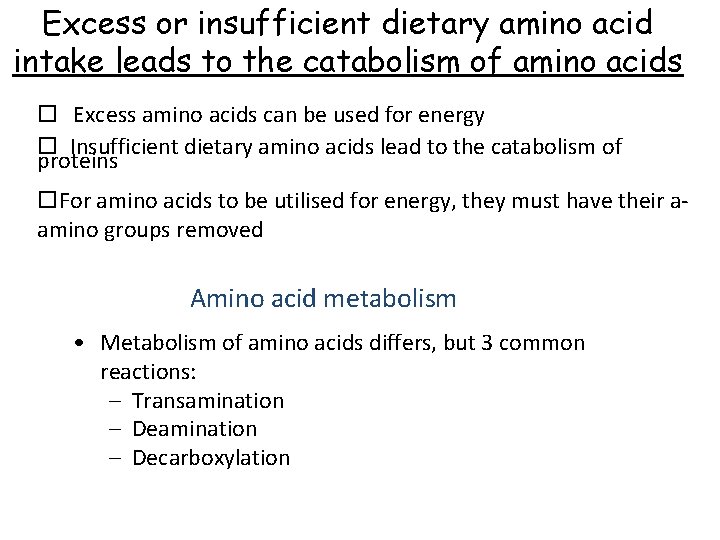
During deamination, the amino group (the nitrogen-containing part of the amino acid) is removed. This nitrogen is then converted into ammonia, which is toxic. Thankfully, your liver steps in like a superhero and converts the ammonia into urea, a much less harmful substance.
Finally, the urea is transported to your kidneys and excreted in your urine. So, next time you visit the restroom, remember you might be flushing away the remnants of that extra-large steak!

Why Should I Care About All This?
Okay, so your body gets rid of the extra amino acids. What's the big deal? Well, constantly overworking your system can have some consequences. Think of it like consistently pushing your car to its maximum speed. Eventually, it's going to put a strain on the engine.
Here are a few reasons why you should care about excessive amino acids:

- Kidney Strain: Your kidneys are the cleanup crew, filtering out urea. Too much urea puts extra stress on them, potentially leading to problems down the road, especially if you already have kidney issues. Think of it as asking your vacuum cleaner to suck up a whole bowl of spaghetti – it might struggle!
- Liver Burden: Your liver works hard to detoxify ammonia. Constantly processing excess amino acids can burden your liver, potentially leading to fatigue or, in severe cases, liver problems.
- Weight Gain: The leftover carbon skeletons from amino acids (after the nitrogen is removed) can be converted into glucose or fat. So, if you're eating a ton of protein thinking it's a magic bullet for weight loss, but you're not burning those calories through exercise, you might actually be contributing to weight gain.
- Potential Digestive Issues: While protein is important for satiety, too much can sometimes lead to digestive discomfort like bloating or constipation for some people.
How to Avoid the Amino Acid Overload
The good news is that avoiding an amino acid overload is usually pretty straightforward:
- Eat a Balanced Diet: Focus on a variety of foods, including fruits, vegetables, whole grains, and lean protein sources. Don't just go all-in on protein and neglect other important nutrients.
- Know Your Protein Needs: Your protein needs depend on factors like your age, activity level, and overall health. Consult with a registered dietitian or healthcare provider to determine what's right for you. The Recommended Dietary Allowance (RDA) for protein is 0.8 grams per kilogram of body weight per day for adults. However, some people might need more, like athletes or those recovering from illness.
- Listen to Your Body: Pay attention to how you feel after eating. If you're consistently feeling bloated or uncomfortable after high-protein meals, it might be a sign that you're overdoing it.
- Stay Hydrated: Drinking plenty of water helps your kidneys flush out urea efficiently. Think of it as giving your cleanup crew the tools they need to do their job properly.
In a nutshell, balance is key. Protein is vital, but so are other nutrients. By eating a balanced diet, understanding your protein needs, and listening to your body, you can ensure you're getting the benefits of amino acids without overloading your system. And hey, maybe consider sharing that giant pizza next time!