
Examples Of Legal And Ethical Issues In Business

Okay, let's talk about something that might sound a bit dry – legal and ethical issues in business. But trust me, it's way more interesting than you think! Think of it as the difference between knowing you can technically eat that entire pizza by yourself (legally, nobody's stopping you!), and knowing you shouldn't (ethically, your stomach – and your future self – will thank you).
We encounter these little dilemmas all the time, even if we don't realize it. Business ethics and legal compliance aren't just for big corporations; they affect everyone from the corner bakery to your favorite online shop.
Honesty is (Still) the Best Policy
Let's start with something fundamental: honesty. Imagine you're selling your old bike online. You know the brakes are a little wonky, but you describe it as "in great condition!" That's a problem. Legally, you might be on shaky ground with consumer protection laws. Ethically, you're just being a bit of a jerk. Nobody wants to buy a bike and end up in a hedge.
Must Read
Businesses face this on a larger scale all the time. Think about misleading advertising. That burger in the commercial looks amazing, but the real thing is... well, let's just say it doesn't quite live up to the hype. That's a classic example of stretching the truth, and it can land a company in hot water.
Privacy Matters (Even If You Think Nobody Cares)
Next up: privacy. In today's digital world, this is huge. We're all leaving digital footprints everywhere. Websites track our browsing habits, apps collect our data, and companies are constantly trying to figure out what we want before we even know it ourselves.
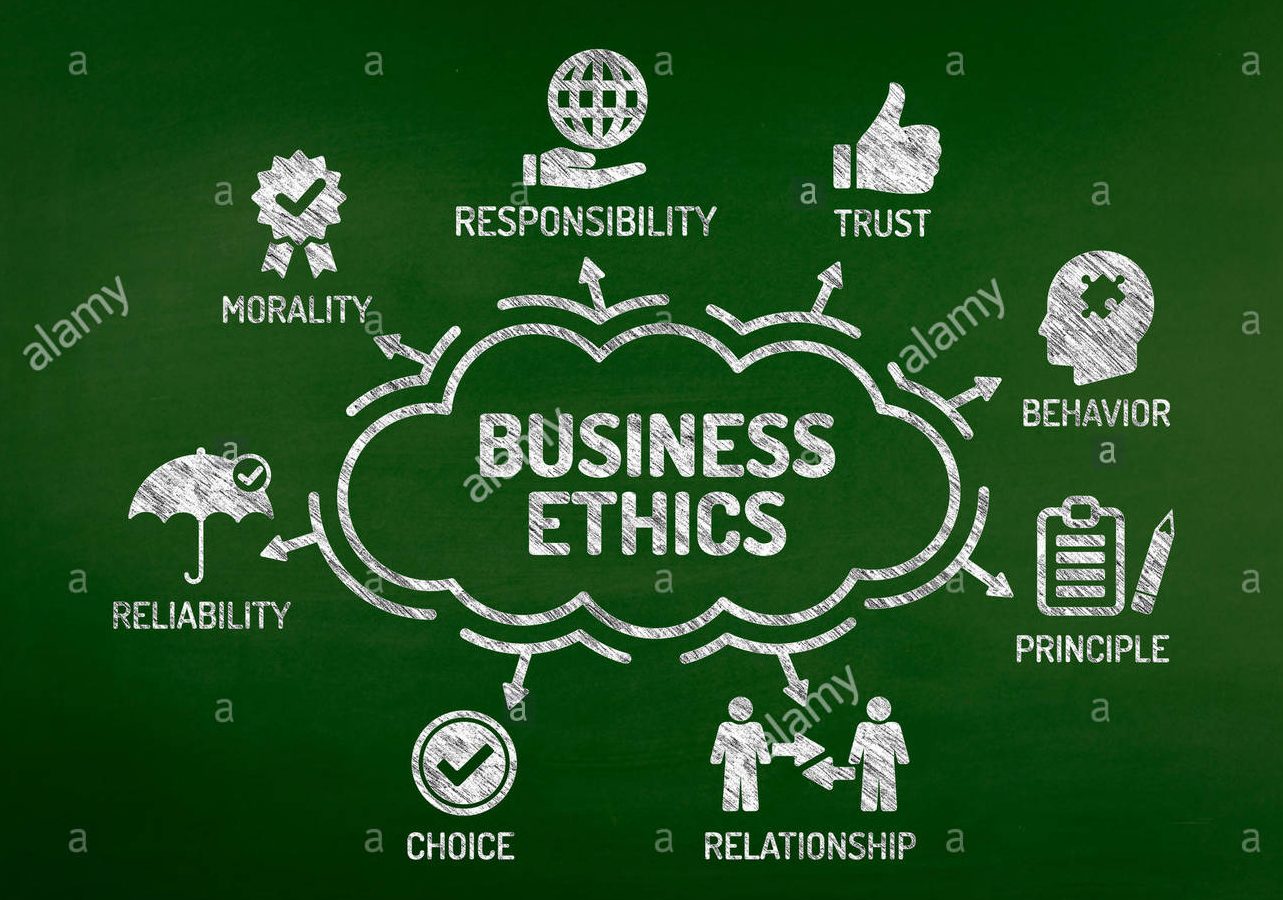
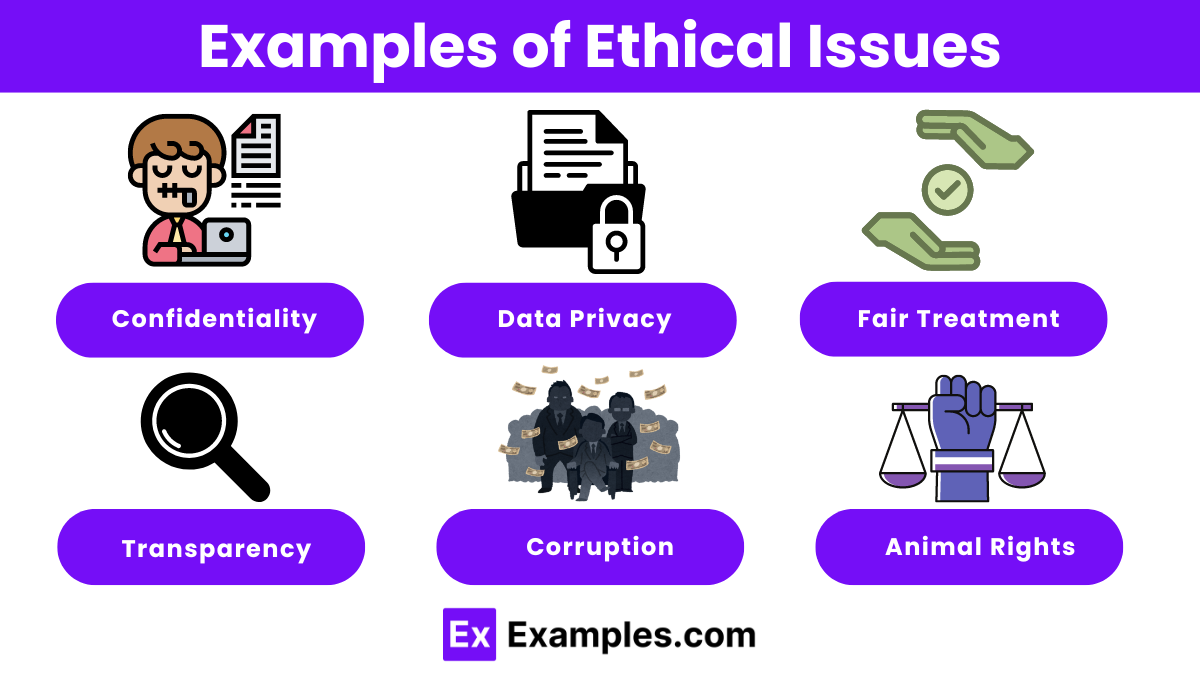
Imagine you sign up for a newsletter from your local bookstore. You expect to get updates on new releases and author events. What you don't expect is for them to sell your email address to a company selling, I don't know, encyclopedias! (Do they still make those?). That's a breach of trust, and often a violation of privacy laws like GDPR or CCPA. People care about their data, even if it's just their email address. It's about control and respect.
Fair Play – No Cutting Corners (Unless You're Making Paper Snowflakes)
Now, let's talk about fairness and competition. Businesses should compete fairly, not by sabotaging rivals or engaging in shady deals. Think of it like a friendly game of Monopoly. It's fun to win, but not if you're secretly stashing money under the board or changing the rules as you go along.
For example, imagine a big company using its market power to unfairly squeeze out smaller competitors. They might lower prices to unsustainable levels, knowing they can afford to lose money in the short term while driving smaller businesses out of business. That's anti-competitive behavior, and it's often illegal under antitrust laws.
Safety First! (Duh.)
This seems obvious, but product safety is paramount. Companies have a responsibility to make sure their products are safe for consumers. Remember the exploding hoverboards a few years back? That’s a perfect example of what happens when safety is compromised. Poorly tested products can lead to injuries, lawsuits, and a serious hit to a company's reputation.
It's not just about big, flashy products either. Even something as simple as a children's toy needs to be carefully designed and tested to prevent choking hazards or other injuries.
Why Should You Care? (Besides Avoiding Jail Time)
So, why should you, as an everyday person, care about all this? Well, for starters, ethical and legal business practices create a fairer and more trustworthy marketplace. They protect consumers from being ripped off, exploited, or harmed. They also help to build a more sustainable and responsible economy.
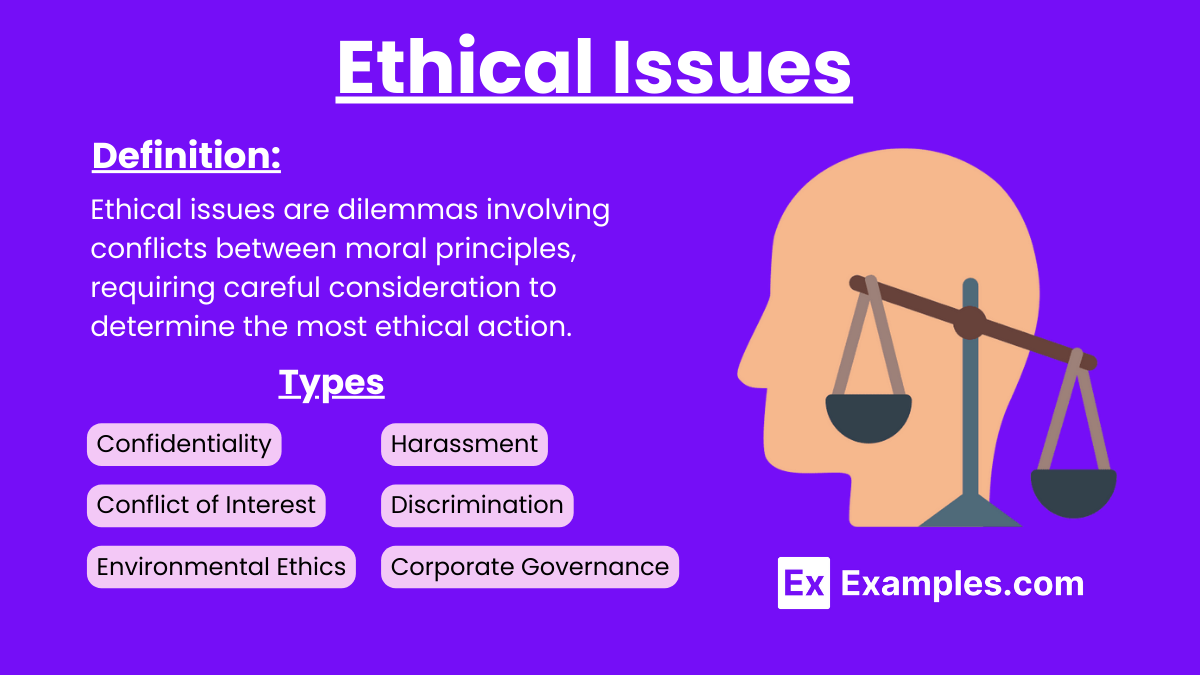
Plus, companies with strong ethical values tend to be more successful in the long run. Customers are more likely to support businesses they trust, and employees are more likely to be engaged and productive when they feel their company is doing the right thing.
Ultimately, it's about creating a world where businesses operate with integrity and respect for their customers, employees, and the environment. And that's something we can all get behind!
Think of it like this: Would you rather shop at a store where you feel valued and respected, or one where you feel like they're trying to pull a fast one on you? The choice is pretty clear, right?