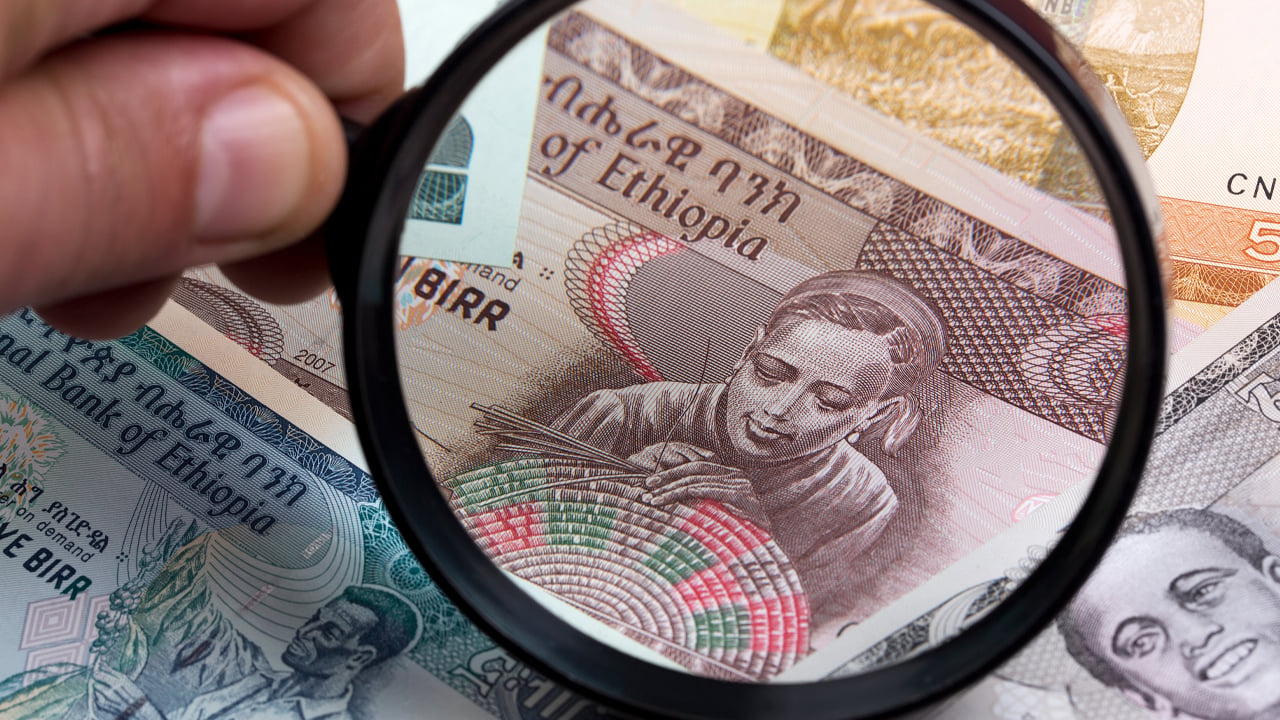
Ethiopian Currency Vs Indian Currency
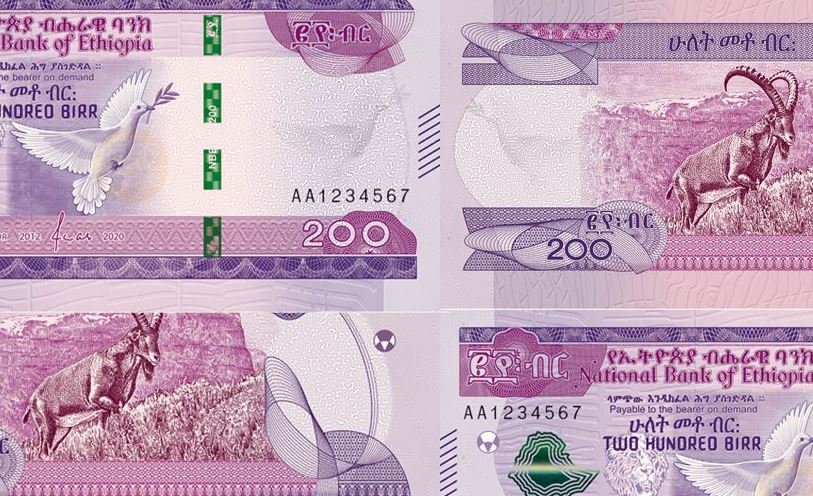
Ever wondered how much your spending money would stretch in a country known for its vibrant culture and delicious coffee, or a land of diverse landscapes and flavorful spices? Comparing currencies like the Ethiopian Birr (ETB) and the Indian Rupee (INR) isn't just about exchange rates; it's a peek into different economies and ways of life. Whether you're a budding traveler, a family planning a trip, or simply a curious mind, understanding these differences can be surprisingly fun and useful!
For beginners, think of it like comparing apples and oranges. Both are fruits, but they have different tastes and textures. Similarly, both the Birr and the Rupee are currencies, but their value relative to other currencies (like the US Dollar or Euro) differs significantly. A simple benefit of knowing this is avoiding sticker shock when you travel! For families planning a vacation, understanding the exchange rate helps you budget effectively. Knowing the general cost of things in Ethiopia or India allows you to estimate travel expenses like food, accommodation, and activities. If you're a hobbyist, perhaps interested in coin collecting or economics, studying the Birr and Rupee offers insights into the economic histories and current financial landscapes of Ethiopia and India, respectively.
Let's look at some examples. As of today (check a reliable source for current rates!), one US Dollar might buy you around 55 Ethiopian Birr or about 83 Indian Rupees. This means that, at first glance, things might seem cheaper in Ethiopia when priced in local currency. However, cost of living is a huge factor. While a simple meal might cost fewer Birr than Rupees, certain imported goods could be more expensive. Another variation is that both countries experience fluctuating exchange rates, often affected by global events and domestic economic policies. Keeping an eye on these fluctuations is crucial when planning a trip or making any financial transactions.
Must Read
Ready to get started with understanding the Birr and Rupee? Here are a few simple tips: Firstly, use online currency converters. Websites like XE.com or Google Finance provide up-to-date exchange rates. Secondly, research the cost of living in specific Ethiopian or Indian cities you're interested in. Numbeo.com is a great resource for comparing prices of everyday items. Thirdly, read travel blogs and forums. Real-life experiences shared by travelers can provide invaluable insights into budgeting and expenses. Lastly, be aware of transaction fees when exchanging currency. Banks and exchange bureaus often charge fees, so compare rates and fees before making a transaction.
Exploring the world through its currencies is a fascinating journey. While understanding the Ethiopian Birr and Indian Rupee involves grasping exchange rates and cost of living, it ultimately connects you to the rich cultures and diverse economies of these countries. So, dive in, explore the numbers, and enjoy the discovery! Whether you're saving for a dream vacation or simply expanding your knowledge, understanding these currencies offers a unique and valuable perspective.