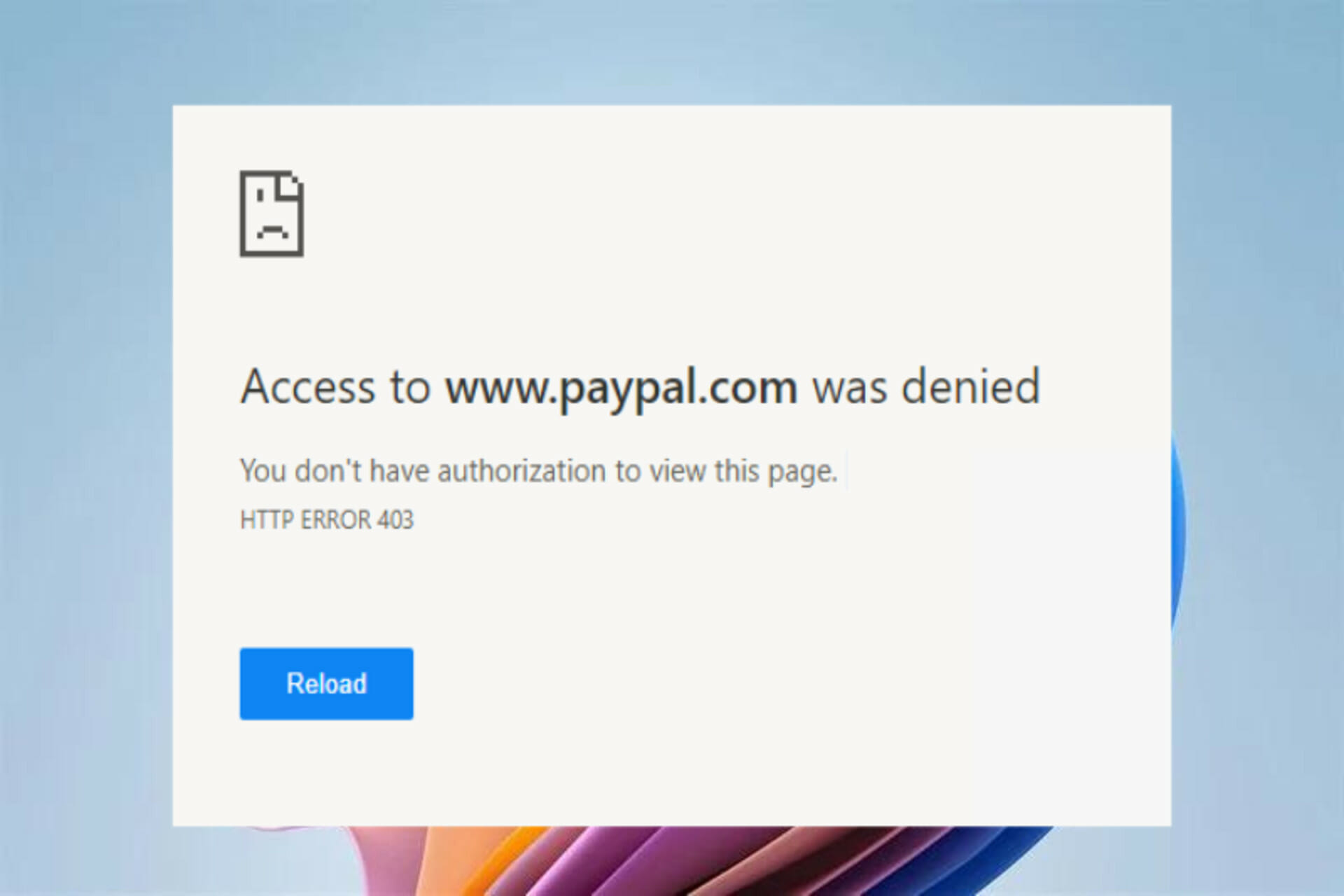
Error 403 Forbidden Paypal
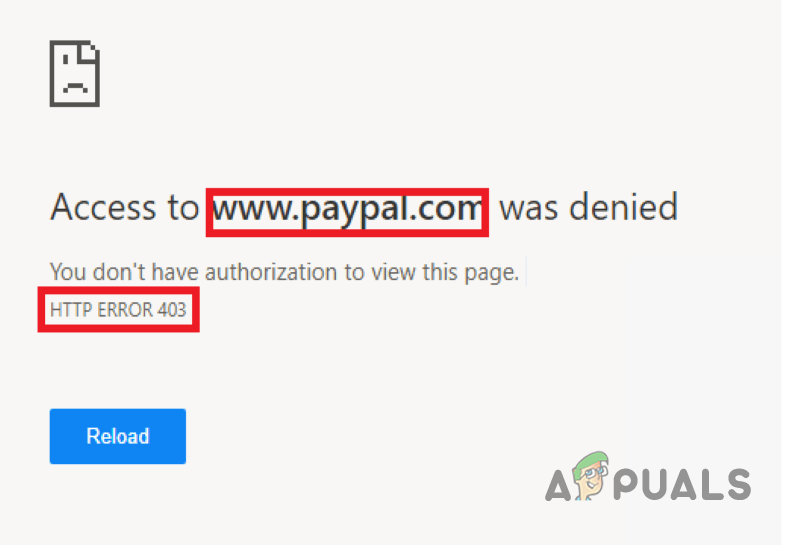
Alright, let's talk about something that might sound scary but is actually pretty common online: the dreaded "Error 403 Forbidden" message you sometimes see when using PayPal. Why is this fun? Well, maybe "fun" is a strong word, but understanding what it means and how to fix it empowers you to navigate the internet like a pro! Plus, you'll save yourself some serious frustration.
So, what exactly is a 403 error? Imagine it like this: you're trying to peek into a room, but the bouncer at the door (the server) says, "Nope, you're not allowed in." That's essentially what's happening. The server understands your request to access a certain page or resource on PayPal, but it's refusing to let you in.
Why is this important for different people?
Must Read
- For Beginners: This is your first step in understanding how websites protect themselves. Knowing a 403 error isn't a sign of a broken internet means you can troubleshoot effectively.
- For Families: Imagine your family is planning a vacation and wants to pay using PayPal. If you encounter a 403 error, knowing what it means can help you get back on track quickly and avoid any unnecessary stress.
- For Hobbyists (especially those selling online): If you're using PayPal to sell crafts or services, encountering a 403 error might mean your customers are having trouble paying you! Understanding the problem quickly can mean the difference between a sale and a lost opportunity.
So, what causes these 403 errors? There are a few common culprits:

- Incorrect URL: Sometimes, it's as simple as a typo! Double-check the web address you're trying to access.
- Restricted Access: The page might only be accessible to logged-in users or specific user groups. Make sure you're logged into your PayPal account, and that you have the necessary permissions.
- Permissions Issues: Sometimes, your browser or internet connection may be blocked by PayPal's security settings.
- Website Maintenance: Rarely, PayPal might be undergoing maintenance, and certain pages might be temporarily unavailable.
Okay, now for the good stuff: how do you fix it? Here are some simple steps you can try:
- Double-check the URL: As mentioned, a simple typo is a common cause.
- Clear your browser cache and cookies: Sometimes, old data stored in your browser can cause problems. Go to your browser settings and clear your browsing data.
- Try a different browser: See if the issue persists across different browsers (Chrome, Firefox, Safari, etc.).
- Disable browser extensions: Some extensions, especially ad blockers or security extensions, might interfere with PayPal. Try disabling them temporarily to see if that resolves the issue.
- Check your internet connection: Make sure you have a stable internet connection.
- Contact PayPal support: If none of the above steps work, it's time to reach out to PayPal's customer support. They can provide more specific guidance.
Remember, encountering a 403 error isn't the end of the world! It's usually a relatively simple issue to resolve. By understanding what it means and knowing a few basic troubleshooting steps, you can get back to using PayPal without any headaches. The key is to remain patient and systematically try each solution. With a little persistence, you'll be back to your smooth online transactions in no time!