Energy Saver On Window Ac

Picture this: It's a sweltering July afternoon, the kind where the air outside feels like a warm, wet blanket, and your entire body just wants to melt into a puddle. You finally stumble through your front door, utterly drained, and the sweet hum of your window AC unit is like a symphony to your ears. You crank it down to what feels like arctic temperatures, sigh a blissful sigh, and promise yourself you'll never move again. Fast forward a month, and that blissful sigh turns into a gasp of horror when the electric bill lands in your inbox. Sound familiar? Yeah, you're not alone. We've all been there, sacrificing a small fortune for the sweet, sweet embrace of conditioned air.
And let's be honest, for many of us, the window AC is our summer savior. But here's the kicker: it doesn't have to be a budget-breaker. You see, after a particularly shocking bill last summer – I'm talking "did I accidentally buy a small island?" levels of shock – I started wondering, surely there's a better way? Can we be cool, comfortable, and not have to sell a kidney to pay for it? Turns out, with a little know-how and some surprisingly simple tweaks, you absolutely can. Let's dive into making your window AC an energy-saving superhero, shall we?
Seal the Deal, Literally!
Okay, first things first, and this one is a biggie. Your window AC is doing its best to chill your space, but if it's got gaps and cracks around it, it's basically fighting a losing battle. Imagine trying to fill a bucket with water when it's got holes in the bottom! Hot air sneaks in, cool air sneaks out, and your AC works overtime, guzzling energy like it's going out of style. So, grab some weatherstripping, foam insulation, or even duct tape if you're feeling scrappy. Seal up those gaps around the unit where it meets the window frame. This creates a much more efficient barrier, keeping the cool air in and the oppressive heat out. Seriously, this little step can make a huge difference.
Must Read
Keep it Clean, Keep it Lean
Think of your AC's filter as its lungs. If its lungs are clogged with dust, pet hair, and general household gunk, it can't breathe! And when it can't breathe, it has to work much harder to pull air through, which means more energy use. Most manufacturers recommend cleaning or replacing your filter every month or two, especially during peak usage. It's usually a super easy pop-out, rinse, and replace job. While you're at it, peek at the coils behind the filter. If they're dusty, gently brush them off (with the unit unplugged, of course!). A clean machine is a happy, efficient machine, trust me on this one.
The Thermostat Sweet Spot (It's Not 60 Degrees!)
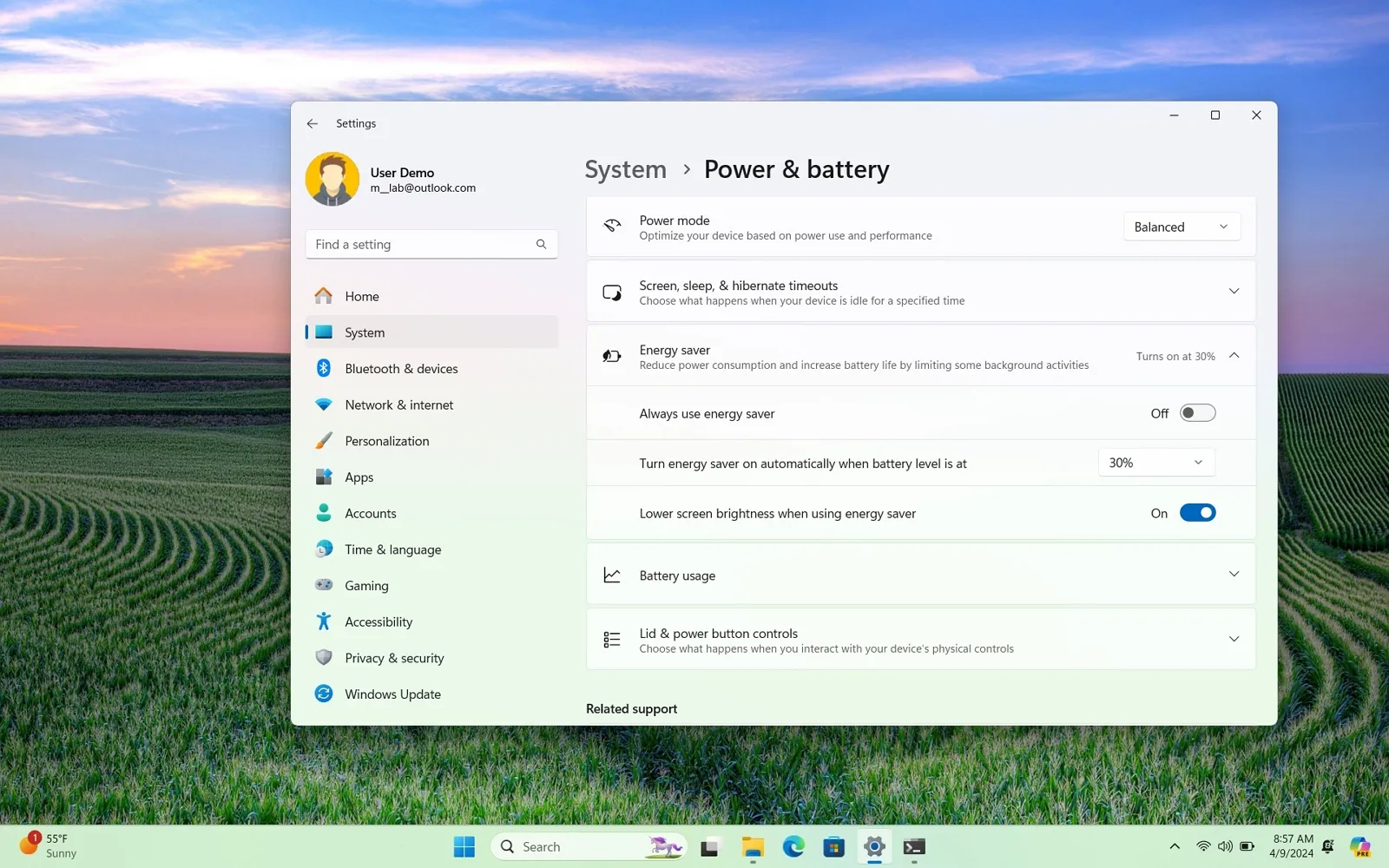
We all love that blast of icy air, but constantly setting your thermostat to its lowest possible temperature isn't just overkill; it's an energy killer. Your AC will just run continuously, trying to achieve an almost impossible temperature, especially if it's baking outside. Experts (and your wallet) agree that the ideal temperature for comfort and efficiency is usually around 78°F (25-26°C). You might be surprised how comfortable this feels once you get used to it. Plus, if your unit has an "Eco" or "Energy Saver" mode, use it! These modes often cycle the fan off when the compressor isn't running, saving even more juice.
Harness the Power of Darkness (and Fans!)
The sun is great for tanning, but not so great for your AC bill. Direct sunlight blasting through your windows turns your room into a mini-greenhouse, making your AC work overtime. So, close those blinds, draw the curtains (especially on south and west-facing windows), or invest in some blackout curtains. They don't have to be fancy; just something to block that solar gain. And here's a trick: pair your window AC with a ceiling fan or a portable fan. A fan doesn't cool the air itself, but it creates a wind-chill effect, making you feel cooler. This means you can often set your AC a few degrees higher and still be perfectly comfortable. It's like a tag team of coolness!
Mindful Usage and Smart Timing
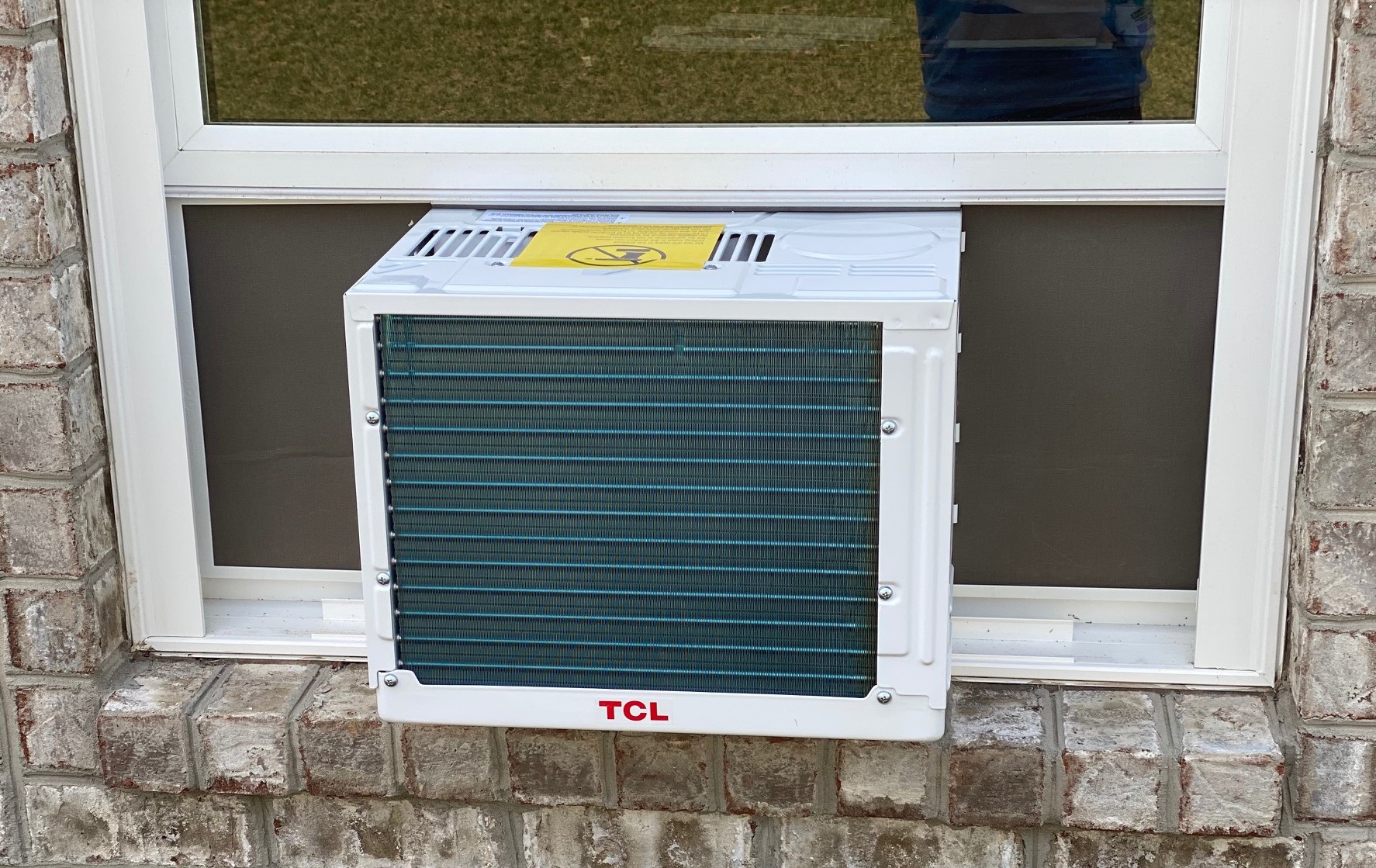
This might sound obvious, but hear me out: do you really need your AC blasting when you're not even home? If you're going to be out for more than a couple of hours, consider turning it off or using a programmable thermostat (if your model has one) to set it to a higher temperature. Letting the house warm up a bit when no one's around and then cooling it down when you return is generally more efficient than running it at full tilt all day. And if you have multiple rooms, consider using your window AC only in the room you're currently occupying. Why cool an empty kitchen when you're chilling in the bedroom?
So there you have it. You don't need to be an HVAC engineer to make your window AC more efficient. A little bit of sealing, a regular clean, a smarter thermostat setting, and some common-sense usage can add up to some significant savings on that dreaded electric bill. Your bank account (and the planet!) will thank you. Now go forth and be cool, without the financial meltdown!