Energy Efficient Temperature For Heat
Alright, let’s talk about that magical box on your wall – the thermostat. It’s either your best friend or your arch-nemesis, depending on who got to it last. We’ve all been there, right? You walk into your living room, and it’s either feeling like a tropical rainforest in the middle of January, or you can practically see your breath. And then the heating bill lands, and suddenly that rainforest feeling turns into a cold sweat. Ouch!
Let’s face it, heating your home can feel like a game of Russian roulette with your wallet. You want to be cozy, not shivering like a chihuahua in a snowstorm, but you also don’t want to take out a second mortgage just to keep your toes warm. The good news? There’s a sweet spot, a kind of Goldilocks zone for your thermostat, that keeps you comfortable without making your bank account weep.
The Great Thermostat Tug-of-War
First, a confession: there’s no universally perfect temperature. My partner thinks anything above 68°F (20°C) is an inferno, while I start reaching for a sweater if it dips below 72°F (22°C). It’s the classic domestic debate, often settled by whoever’s currently holding the remote (or, let’s be honest, whoever has the coldest feet). But when we talk about energy-efficient temperature, we’re aiming for something a little more strategic than just pleasing one person's internal furnace.
Must Read
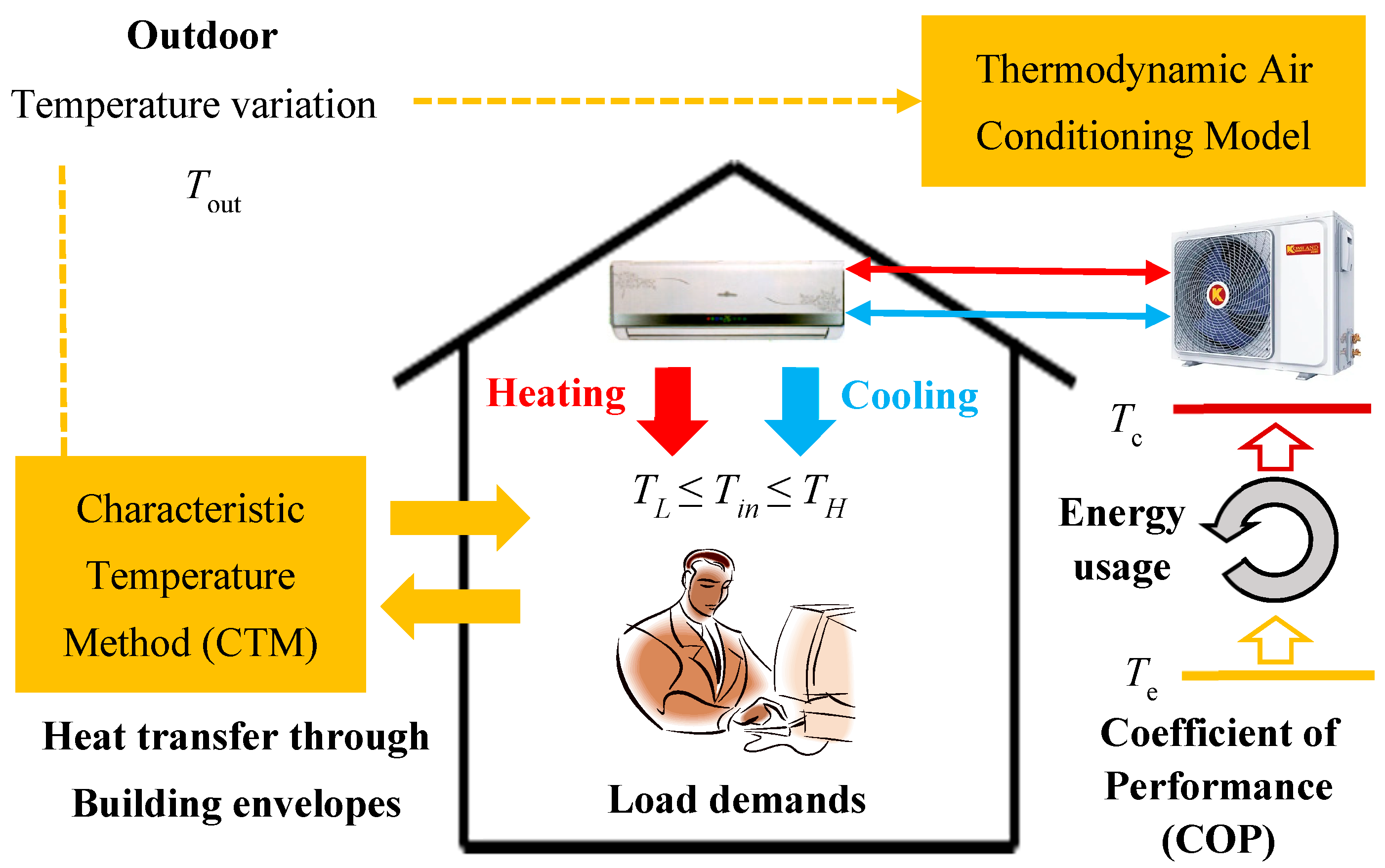
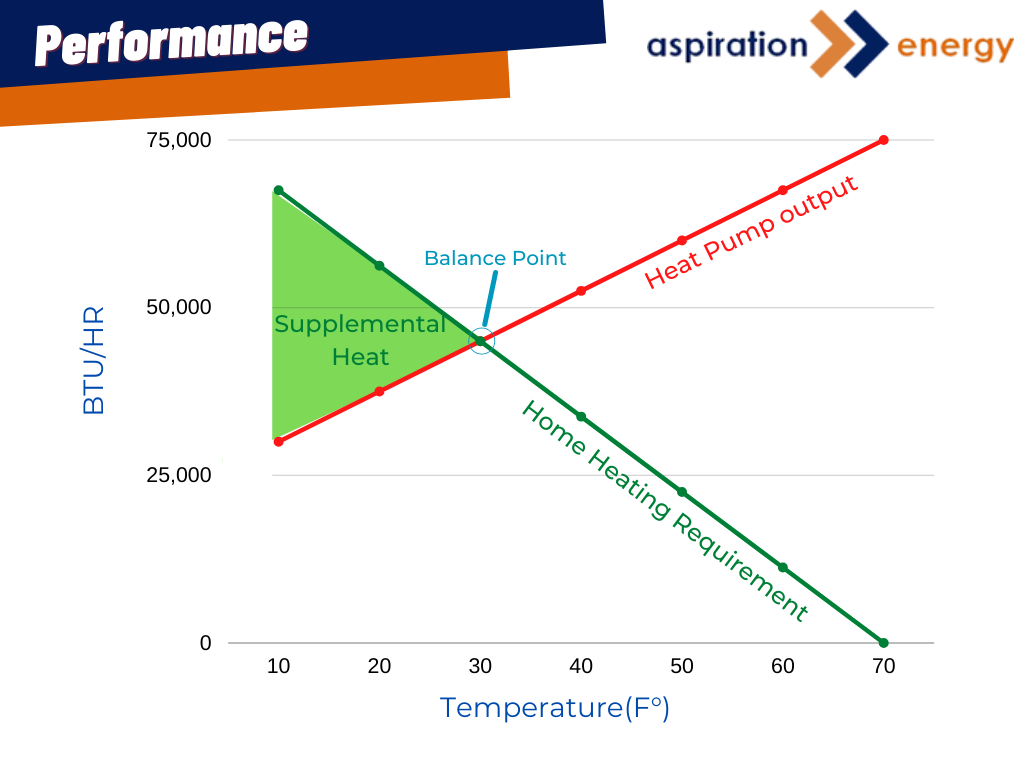
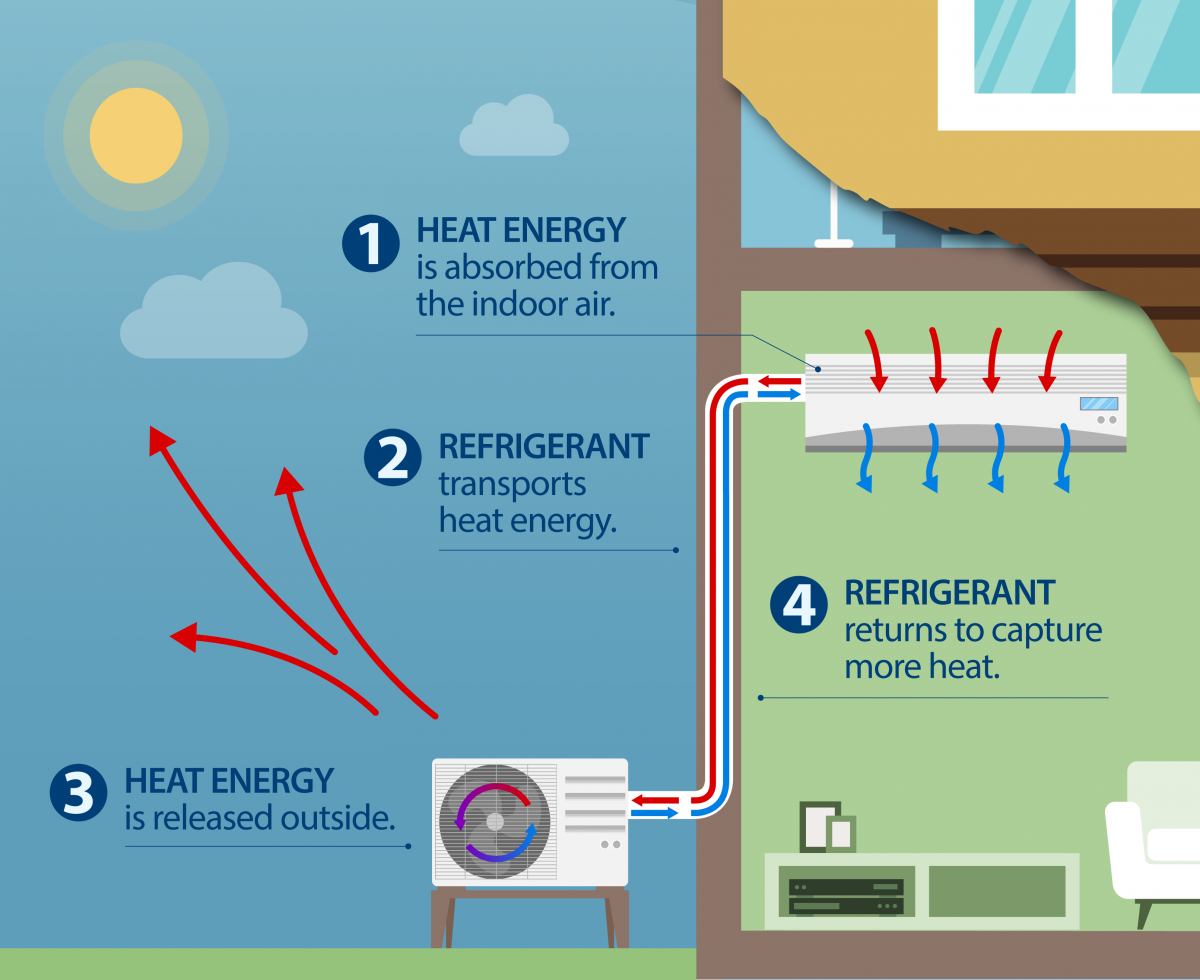
Think of it like this: your furnace isn't a personal chef, whipping up a custom meal for every whim. It's a hardworking machine trying to maintain a consistent temperature. The harder it works, the more energy (and money) it devours. So, how do we get it to work smarter, not harder?
Daytime Zen: Comfortable, Not Tropical
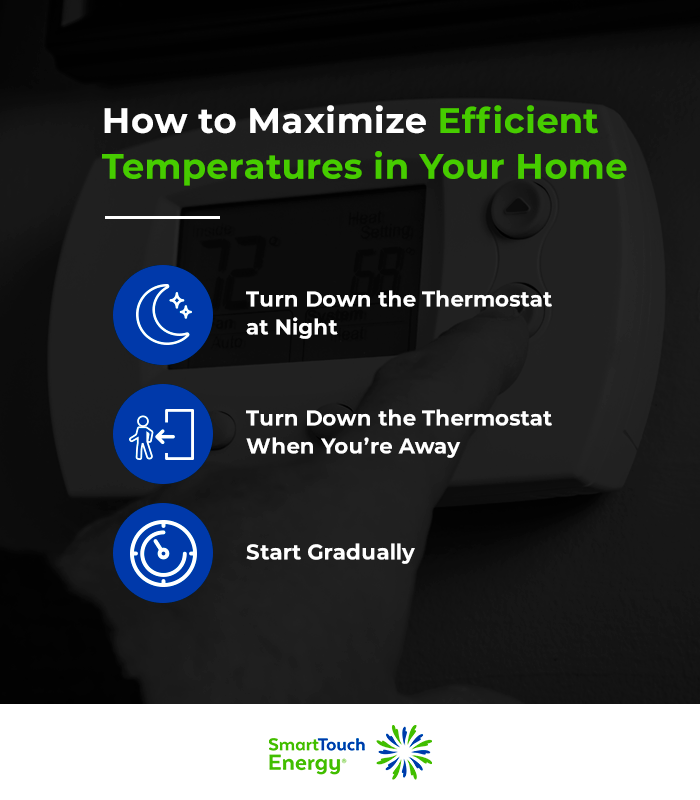
During the day, when you’re actually home and awake, the general consensus for optimal comfort and efficiency hovers around 68°F to 70°F (20-21°C). "But that's too cold!" I hear some of you cry. Hold on a minute! This isn't about shivering. It's about finding that sweet spot where you're comfortable without feeling like you've moved to the equator. If you're a bit chilly, maybe grab a sweater, or a nice warm blanket. Remember that ancient wisdom? "Dress for the house, not for the beach." You'd be surprised how much cozier you feel wrapped in a blanket at 68°F than blasting the heat to 75°F just to wear a t-shirt indoors.
Plus, a slightly cooler indoor temp during winter can actually make that cup of hot cocoa taste even better. It's all about perception, my friends!
Nighttime Narnia: Cooler for Zzz's
Now, for nighttime, things get even more interesting. Experts often recommend dropping your thermostat down to anywhere between 60°F and 65°F (16-18°C) while you're asleep. "What?!" you exclaim, picturing icicles forming on your nose. But think about it: you're under blankets, maybe a duvet, probably wearing pajamas. You’re essentially a human burrito, all snuggled up. A slightly cooler room actually promotes better sleep. Your body temperature naturally drops when you sleep, so a cooler environment helps that process along. You’re not just saving energy; you’re investing in better shut-eye!
It’s like giving your furnace a little nap too. It doesn’t have to work as hard, and you wake up feeling refreshed, not parched from a desert-like bedroom.
Away From Home: Don't Heat an Empty House!
This is where a lot of us are literally throwing money out the window. If you’re at work, school, or out running errands for hours, why on earth are you heating an empty house to peak comfort levels? It’s like leaving all the lights on when you go on vacation! The recommendation here is to dial your thermostat down by 7-10°F (4-6°C) from your daytime setting. So, if you're usually at 68°F, drop it to 58-61°F (14-16°C). Your pipes won't freeze, your pets will be fine (they usually find the sunniest spot anyway), and your furnace gets a much-needed break.
Some people worry it takes more energy to reheat a cold house than to keep it moderately warm all day. That’s a common myth! While it’s true your furnace will work harder initially, the total energy consumed over hours of being lower is significantly less. Think of it this way: it takes less energy to push a car that’s been off for a while up to speed, than to keep it idling and burning fuel for hours while you're not driving it.

The Smart Solution: Your Thermostat's Got Your Back
This is where modern technology swoops in like a superhero. Programmable and smart thermostats are absolute game-changers. You can set schedules for when you're home, when you're asleep, and when you're away. Some even learn your habits or use your phone's location (geofencing) to know when you're heading home and start warming things up just in time. No more frantic dashing to the thermostat the moment you walk in the door!
It’s like having a tiny, energy-saving personal assistant managing your home's climate control. They take the guesswork (and the thermostat tug-of-war) out of the equation, silently optimizing your heating for maximum comfort and minimum cost. And trust me, getting that lower heating bill will make you feel like you've won the lottery, even if it's just a small one.
So, next time you're fiddling with that little temperature dial, remember: it's not just about staying warm. It's about being smart, saving some serious cash, and maybe, just maybe, getting a better night's sleep. Your wallet (and probably your partner) will thank you!