
Emergency Alert Systems For Businesses
Ever been just lost in your work? You know, really in the zone. Maybe you’re perfecting that spreadsheet.
Or perhaps you’re finally tackling that towering email inbox. You're feeling productive. You're feeling unstoppable.
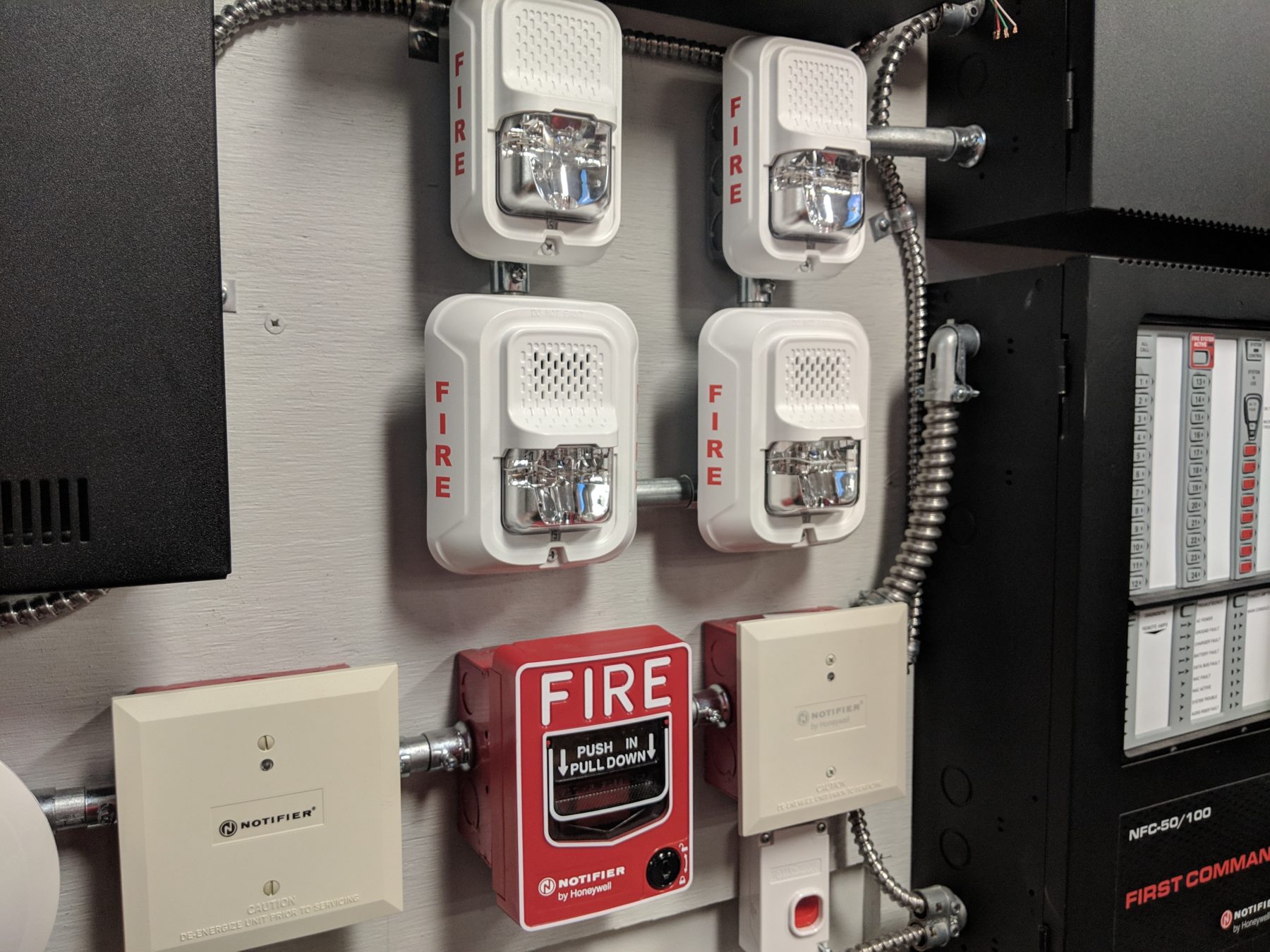
Then it happens. A sudden, piercing shriek. A sound designed to grab your attention like nothing else.
Must Read
It’s the unmistakable call of the Emergency Alert System. And let's be honest, it rarely means a complimentary snack bar has opened.
For businesses, these systems are meant to keep us safe. To warn us of real danger.
But sometimes, just sometimes, don't they feel a little... enthusiastic? A bit like calling in the SWAT team for a lost stapler?
That blaring siren sound, straight out of a disaster movie, instantly puts everyone on edge.
You jump. Your coffee nearly takes flight. Your heart rate, usually steady, suddenly decides to enter a marathon.
Then comes the voice. Often calm, sometimes slightly robotic. It’s trying to be reassuring.
But after that initial sonic assault, reassurance feels a million miles away.
We’ve all been there. You freeze. You look around wildly. Are other people reacting? Yes, everyone else looks just as confused and mildly terrified.
Is it a fire? A meteor? Did someone actually bring in fish to microwave again? The possibilities rush through your mind.
And here’s my possibly unpopular opinion: most of the time, the alert itself is more dramatic than the actual "emergency."
Seriously, that sound. It's a psychological weapon. It bypasses all your calm, rational thoughts and goes straight for the lizard brain.
Suddenly, you're not an office worker. You're a cave person, reacting to a saber-toothed tiger in the break room.
We’ve had alerts for everything. A planned fire drill? Yep, full siren. A test of the system? Double siren, just to be sure.
Someone accidentally pulled the fire alarm while reaching for a particularly high box of paper? Oh, you better believe the alarms were singing.
It's like our businesses have adopted a "go big or go home" philosophy for even the most minor disruptions.
Remember that one time when the alert went off for a "suspicious smell" near the cafeteria?
Turns out, someone just burnt their toast a little too much. Toast! And we got the full emergency protocol.
People were ushered out, milling about in the parking lot, wondering if they should start building an ark.
All for a slightly crispy piece of bread. It’s hard not to chuckle, even as you shiver slightly from the cold.
And the follow-up announcements are always a classic.
"Attention, attention. This is a test of the Emergency Alert System. Please remain calm. This is only a test."
But your heart is still pounding. Your palms are still a little sweaty. "Calm" feels like an alien concept after that initial blast.
Or the one that makes everyone exchange knowing glances:
"We apologize for the inconvenience. The alarm was triggered accidentally."
Ah, the accidental trigger. The office equivalent of a child shouting "wolf" but meaning "I dropped my toy."
You have to admire the dedication. Businesses are clearly taking preparedness seriously.
Perhaps too seriously for the everyday office mishap. Do we really need a full building evacuation protocol for a rogue pigeon?
(Yes, that might have happened once. The pigeon was apparently "unauthorized personnel").
Then there's the training. Oh, the mandatory annual training for the Emergency Alert System.
We sit there, watching slides. We learn about muster points. We practice "sheltering in place" drills.
All good and necessary, in theory. But after the third false alarm for a flickering light, you start to wonder.
Are we preparing for a real catastrophe, or just mastering the art of looking vaguely concerned while waiting for an "all clear"?
It’s like being constantly poised for the zombie apocalypse, when usually the biggest threat is running out of coffee pods.
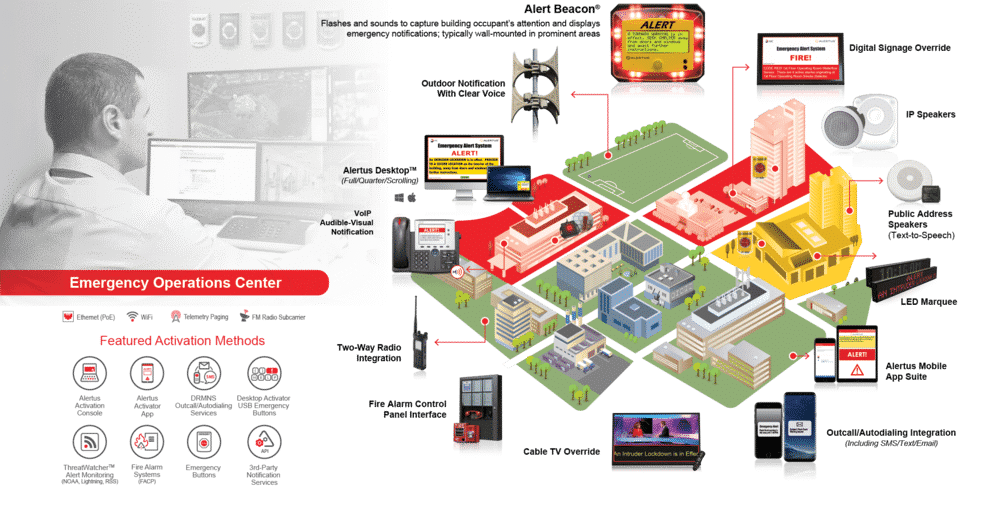
The sheer number of ways these systems can communicate with us is also impressive.
Overhead announcements, flashing lights, text messages, emails, even little pop-ups on our computers.
You can't escape it. The Emergency Alert System has more channels than your average streaming service.
It's designed to be inescapable. And boy, is it ever. It penetrates all forms of digital and auditory silence.
My truly unpopular opinion? Sometimes, I think the fear of missing an alert is greater than the fear of the actual emergency itself.
Imagine being the one person who didn't hear the alert because your headphones were too loud. The shame! The immediate social ostracization!
No, it's better to jump out of your skin every now and then, just to prove you're paying attention.
So, next time that piercing sound rips through your office, take a deep breath.
Check for actual flames or invading aliens first, of course. Those are usually good indicators of a real emergency.
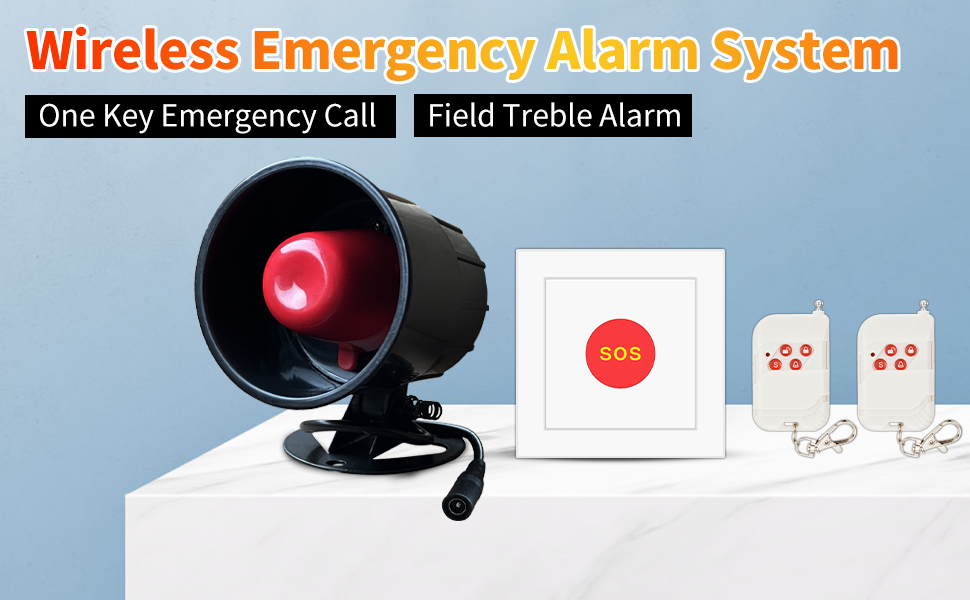
But if it turns out to be another case of aggressive toast-burning, or a pigeon rebellion, just smile.
And remember, you’ve just experienced peak business emergency preparedness. It’s a wild ride.
Our workspaces are not just places of productivity. They are also stages for high drama, thanks to these systems.
They keep us on our toes, even if those toes are just tapping nervously during a "planned system test."
And for that, we can, I suppose, be grateful. Grateful for the adrenaline rush, at the very least.
It certainly wakes you up more effectively than a second cup of coffee. And it's a story to tell, even if it's just about toast.
So, here's to the Emergency Alert Systems of the business world. May they continue to keep us vigilant.
And may they occasionally alert us to something genuinely exciting, like free pizza in the breakroom. Now that would be an emergency worth reacting to.
A true Code Delicious, if you will. That's an alert everyone would sprint towards, no questions asked.
No calm, robotic voice needed for that one. Just the glorious sound of freedom and cheese.