Edx Object Oriented Programming
Ever feel like you're juggling code, trying to keep all the balls in the air at once? There's a powerful, yet surprisingly intuitive, approach to programming that can help you organize your digital creations – Object-Oriented Programming (OOP). And you can learn it from the comfort of your own home via courses like those offered on edX. Forget dry textbooks and complicated jargon; OOP is all about structuring your code in a way that mirrors the real world, making it more manageable, reusable, and, dare we say, even fun!
You might think programming is just for software engineers, but OOP's benefits extend far beyond Silicon Valley. Are you a digital artist wanting to create interactive installations? A hobbyist game developer dreaming of your own unique world? Or perhaps just a curious soul looking to expand your creative horizons? OOP can be a game-changer. It allows you to break down complex projects into smaller, self-contained "objects," each with its own properties and actions. Imagine building a virtual landscape: instead of one giant, unwieldy block of code, you have individual "tree" objects, "mountain" objects, and "river" objects, all interacting with each other. This modularity makes it much easier to tweak, expand, and maintain your projects.
Consider a simple example. Let's say you're designing a digital character. Using OOP, you'd create a "Character" class. This class would define the properties of a character (name, health, strength, etc.) and the actions it can perform (walk, jump, attack, etc.). You could then create different types of characters – "Warrior," "Mage," "Rogue" – each inheriting the basic "Character" properties but with their own unique twists. The "Warrior" might have higher strength, while the "Mage" has powerful spells. This principle of inheritance is a core concept in OOP and greatly reduces code duplication.
Must Read
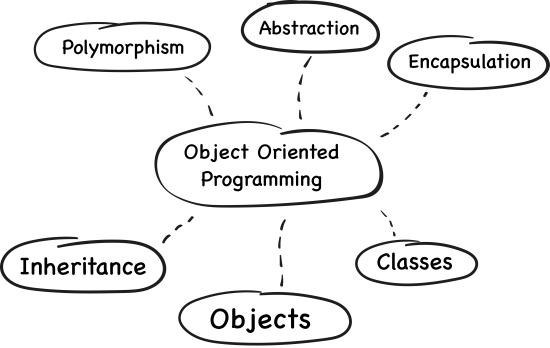
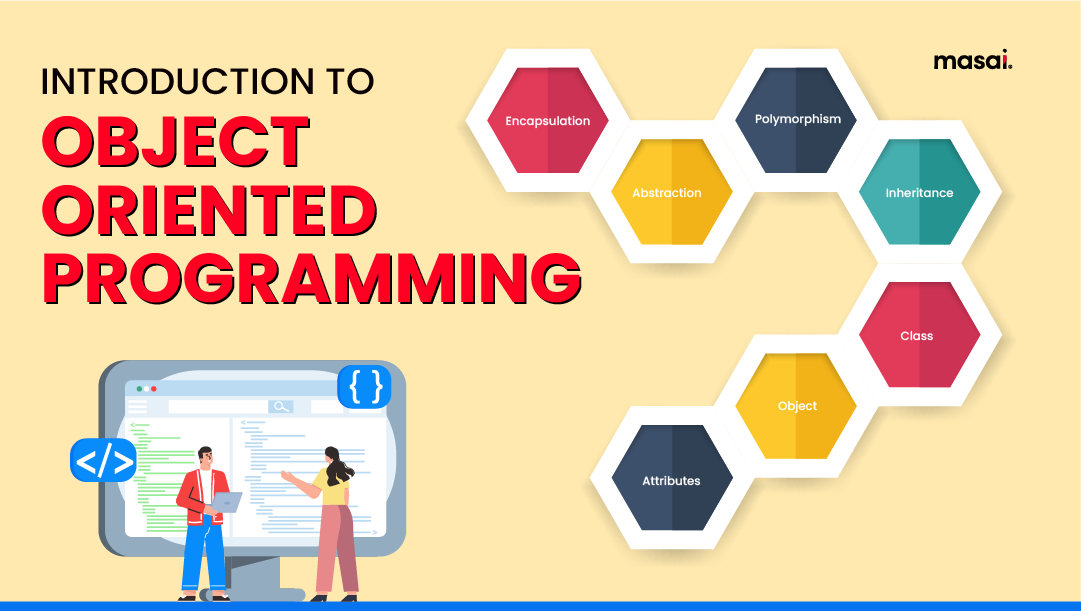
Ready to give it a try? Here are a few tips for getting started with OOP on edX: First, choose a language. Python and Java are excellent choices for beginners. Second, focus on the fundamentals. Understand the concepts of classes, objects, inheritance, and polymorphism. Don't try to learn everything at once! Third, start small and build up. Create simple projects like a virtual pet simulator or a basic text-based adventure game. Fourth, don't be afraid to experiment. Try modifying existing code and see what happens. The beauty of OOP is that you can easily isolate problems and fix them without affecting other parts of your project. Fifth, join online communities. The edX discussion forums and other online groups are great places to ask questions, share your code, and learn from others.
Ultimately, learning OOP is about more than just writing code; it's about developing a new way of thinking. It's about learning to see the world in terms of objects and interactions. And as you master these concepts, you'll find that programming becomes less of a chore and more of a creative outlet. There's a unique satisfaction in building something complex and elegant from simple, reusable components. So, dive in, experiment, and discover the joy of object-oriented programming. You might just surprise yourself with what you can create!