Dry Chemical Fire Extinguisher Used For

Ever thought about what might be one of the most unsung heroes in your home or workshop? It’s not a fancy gadget or a high-tech device, but something incredibly practical and truly essential: the dry chemical fire extinguisher. While it might not sound like the most exciting topic, understanding this simple piece of equipment can give you an enormous sense of safety and empowerment. It's about protecting what matters most – your loved ones, your home, and your peace of mind – and that makes it a topic everyone can benefit from and appreciate.
So, what exactly is a dry chemical fire extinguisher for? Its primary purpose is to quickly and effectively put out fires by interrupting the chemical reaction of the fire, separating the fuel from the oxygen, or removing the heat element. For beginners, knowing that a standard ABC dry chemical extinguisher tackles the most common types of fires (A: ordinary combustibles like wood and paper; B: flammable liquids like grease and gasoline; C: electrical fires) makes it incredibly versatile and user-friendly. For families, this means having a crucial tool readily available to protect your home from kitchen flare-ups, electrical shorts, or even a fireplace ember gone astray. It's about having a first line of defense that's simple enough for an adult to operate in an emergency, buying precious time and potentially saving everything. And for hobbyists, whether you're a DIY enthusiast in the garage, a backyard grill master, or working with electronics, a dry chemical extinguisher is your vigilant guardian against specific risks associated with your passions.
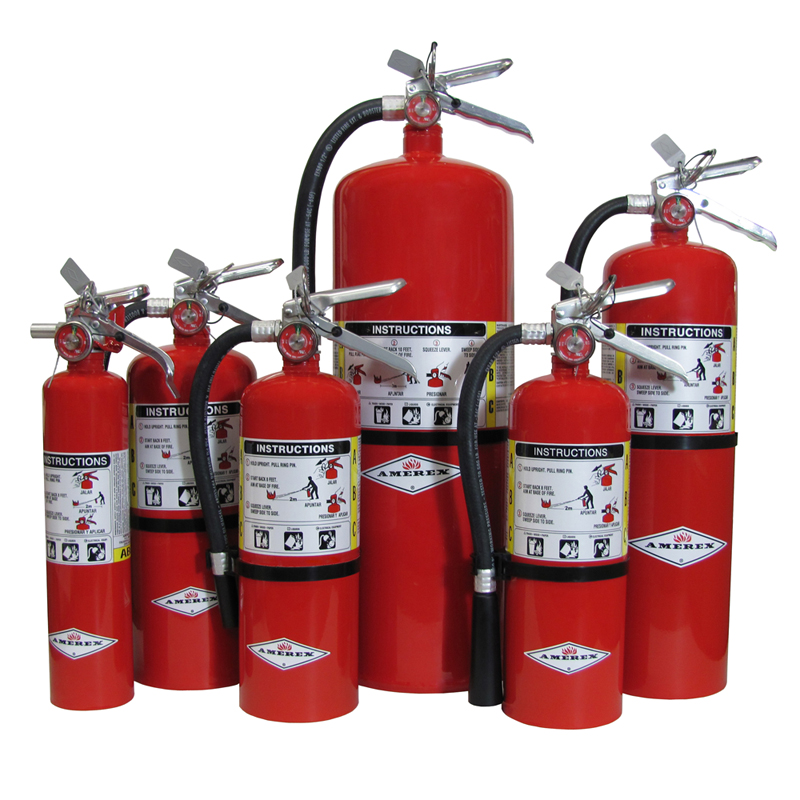
There are a few variations of these handy devices. The most common, and perhaps the one you should certainly have, is the ABC dry chemical extinguisher. It uses a fine powder, often monoammonium phosphate, to blanket the fire and smother it. You might also encounter BC extinguishers, which are designed specifically for flammable liquids and electrical fires, but lack the ability to tackle ordinary combustibles. They come in different sizes too – a small 2.5 lb model is perfect for the kitchen or car, while larger 5-10 lb units are better suited for a garage or workshop. The magic is in the powder itself, which acts like a barrier, starving the fire of oxygen and disrupting its combustion process. It's a bit messy, yes, but far better than losing your home!
Must Read
Getting started with understanding and having a dry chemical extinguisher is incredibly simple. First, make sure you have at least one – and preferably several – in easily accessible locations like the kitchen, garage, and near the furnace. Remember the P.A.S.S. method for operation: Pull the pin, Aim at the base of the fire, Squeeze the handle, and Sweep from side to side. It’s vital to check your extinguisher's pressure gauge regularly (it should be in the green zone) and have it inspected annually. Don't forget, extinguishers are for small, contained fires. If the fire is growing rapidly, spreading, or you feel unsafe, evacuate immediately and call 911 – never be a hero!
Ultimately, a dry chemical fire extinguisher is a small investment that delivers immense value. It's not about hoping you'll need it, but about having the confidence that you're prepared if you do. Knowing you have this powerful, yet easy-to-use, tool at your fingertips brings a deep sense of security. So, embrace the practicality, get familiar with this everyday hero, and enjoy the peace of mind it brings!