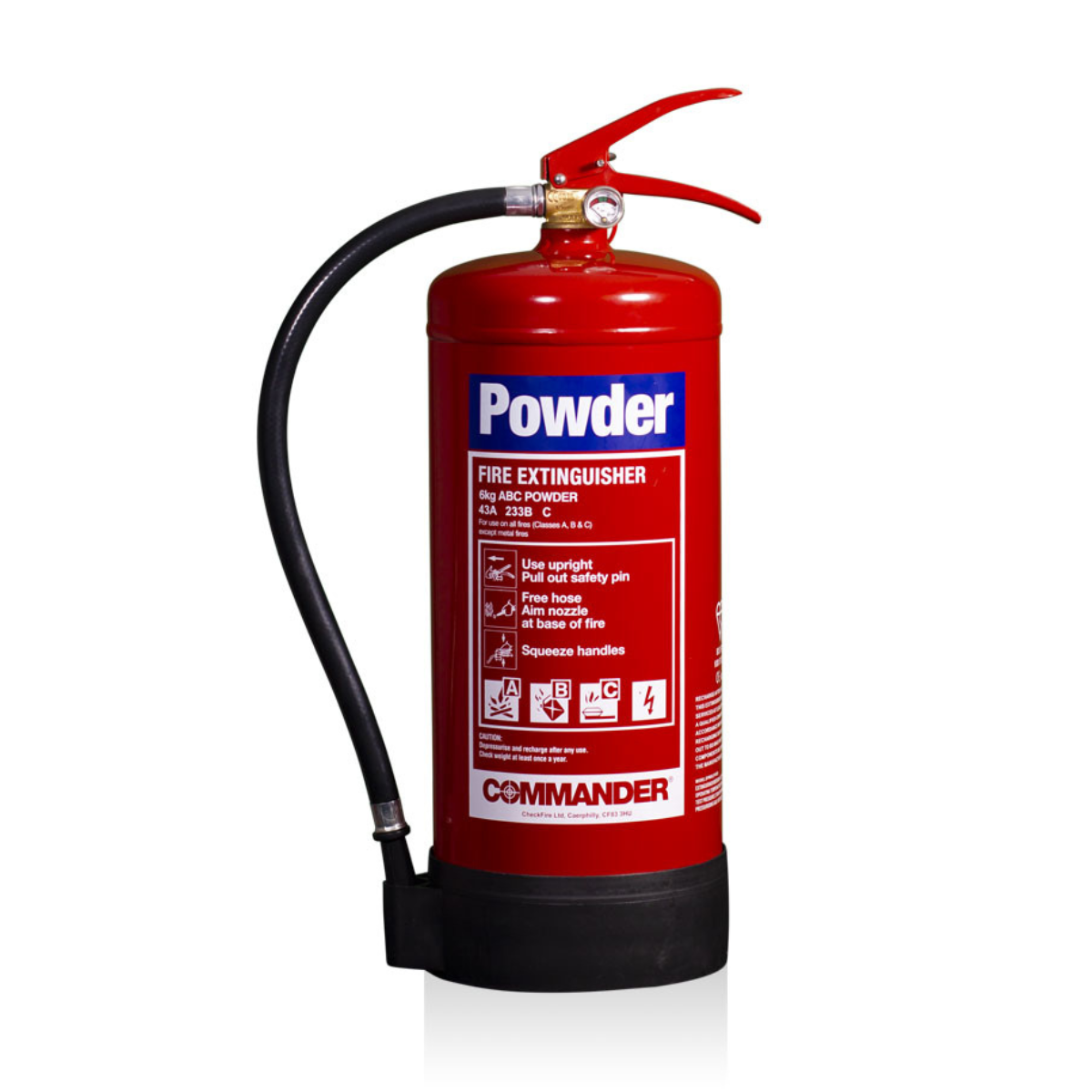
Dry Chemical Fire Extinguisher Powder
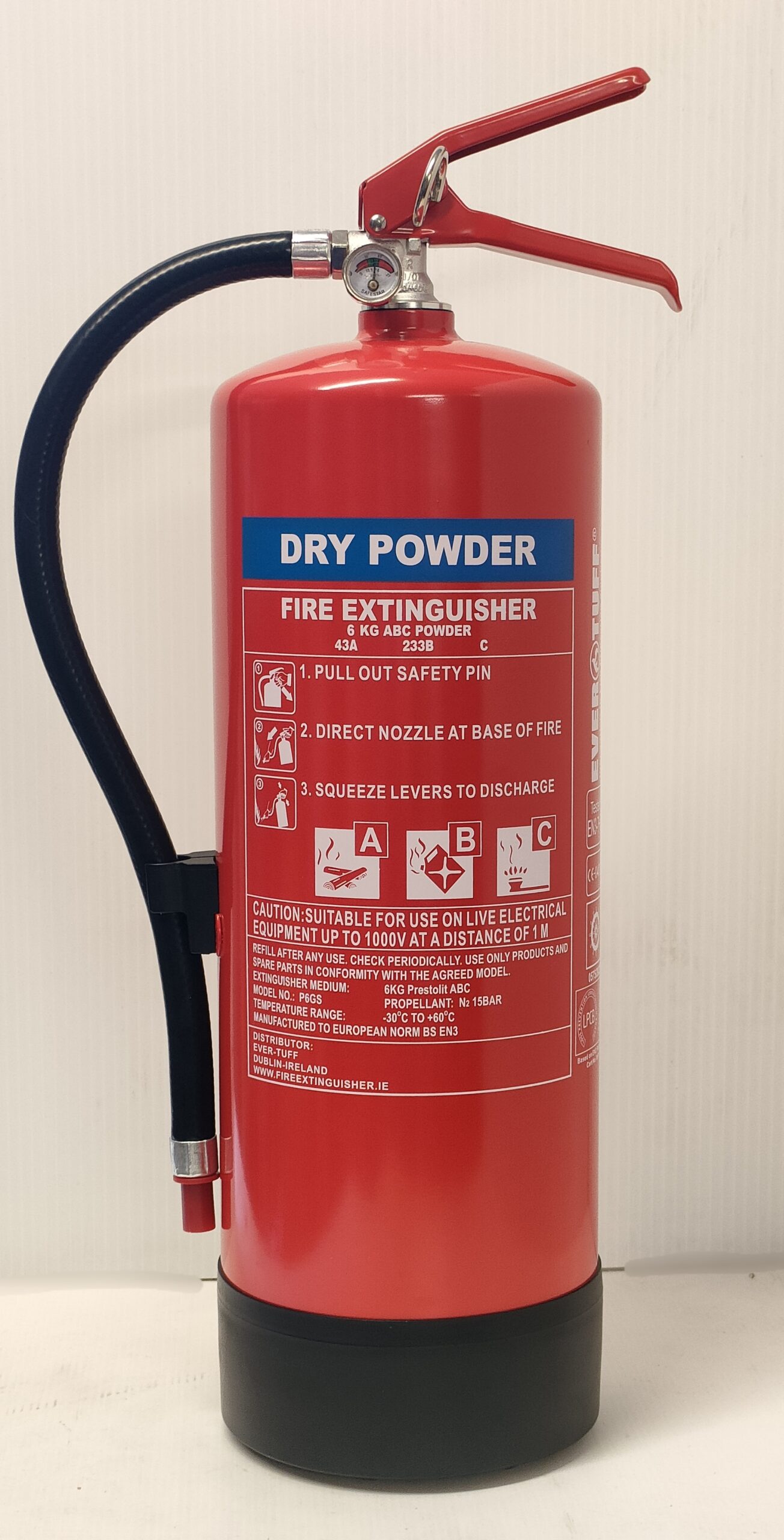
Ever walked past one of those bright red fire extinguishers and wondered what mysterious concoction lies within? Beyond the simple mechanism, there's a fascinating world of chemistry at play, specifically with dry chemical fire extinguisher powder. It might seem like just a mundane safety item, but understanding this everyday marvel is surprisingly cool and relevant – a little peek into the science that keeps us safe!
At its heart, dry chemical powder is designed to be a rapid fire stopper. Its primary purpose is to interrupt the chemical chain reaction of a fire, effectively smothering the flames. Most commonly, you'll find formulations based on monoammonium phosphate or sodium bicarbonate (yes, like baking soda, but super-sized and optimized!). The key benefit here is its versatility. These powders are often multi-purpose, meaning they can tackle Class A fires (ordinary combustibles like wood and paper), Class B fires (flammable liquids and gases), and Class C fires (electrical fires). This broad spectrum of action makes them incredibly useful in a wide range of settings, from your kitchen to an industrial workshop.
You've likely encountered dry chemical extinguishers more often than you think. In daily life, they're the ubiquitous red cylinders found in homes, offices, schools, and even your car. They're the go-to for many small fires because they're generally easy to operate and non-conductive, making them safe for electrical incidents. In an educational context, fire safety training often involves learning about different extinguisher types, and the dry chemical variant is always a prominent feature. Demonstrations might show how quickly it knocks down a blaze, reinforcing the importance of having one readily available and knowing how to use it properly. It’s a practical application of chemistry that we literally rely on to protect property and lives.
Must Read
So, how can you explore this topic further in a relaxed way? Start by simply locating the fire extinguishers in your own home or workplace. Take a moment to read the label – what class of fires is it rated for (look for the A, B, C symbols)? When was it last inspected? This simple act can make you more aware of your immediate surroundings. You could also do a quick online search to learn about the different chemical compounds used and their specific extinguishing properties. Remember, while it's fun to learn, never attempt to use an extinguisher on a real fire unless you are trained and the situation absolutely demands it. Instead, consider taking a local fire safety course. These often offer hands-on (or simulated) experience, demystifying the process and building confidence. It’s a great way to turn a curious observation into genuine preparedness, making you a little more knowledgeable and a lot safer!
-fire-extinguisher.jpg)
-fire-extinguisher.jpg)