Dry Chemical Extinguisher Is Used For

Ever had that slight flutter of worry when you smell something burning, even if it's just your toast? We all have! While we hope never to face a real fire, knowing how to tackle one can turn that worry into a feeling of incredible empowerment. And when it comes to being prepared, few tools are as versatile and reassuring as the dry chemical fire extinguisher. It's like the Swiss Army knife of fire safety – ready for almost anything!
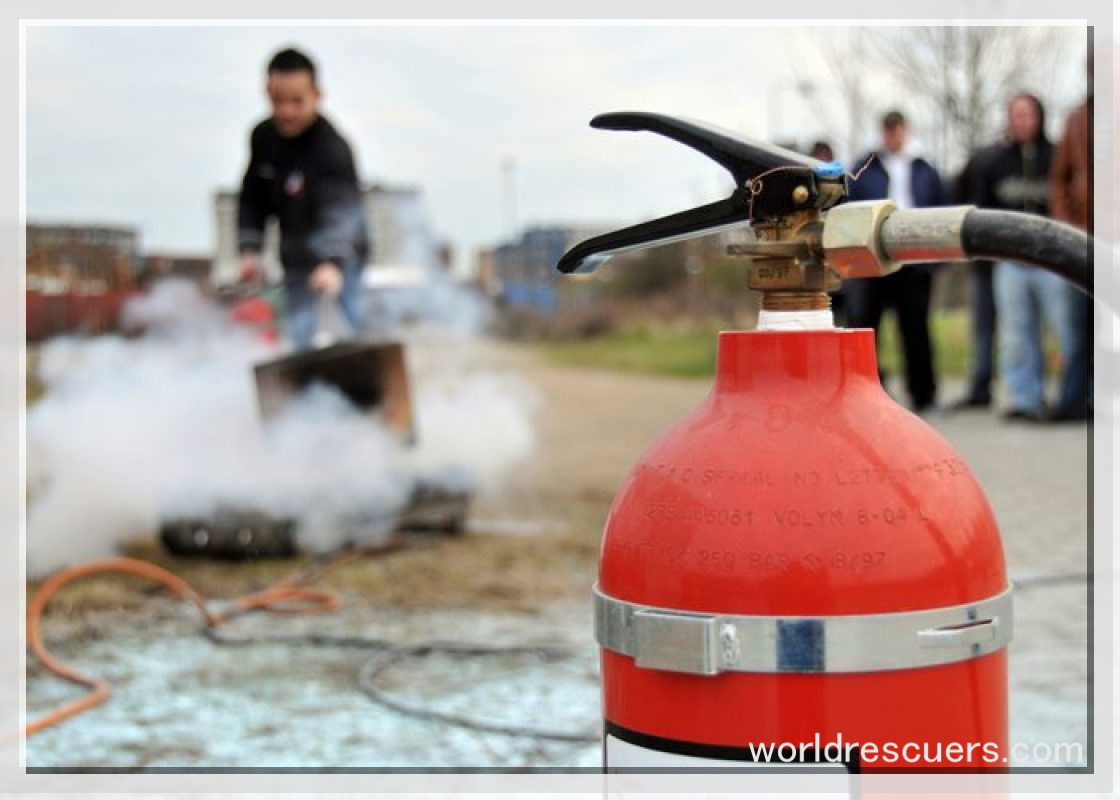
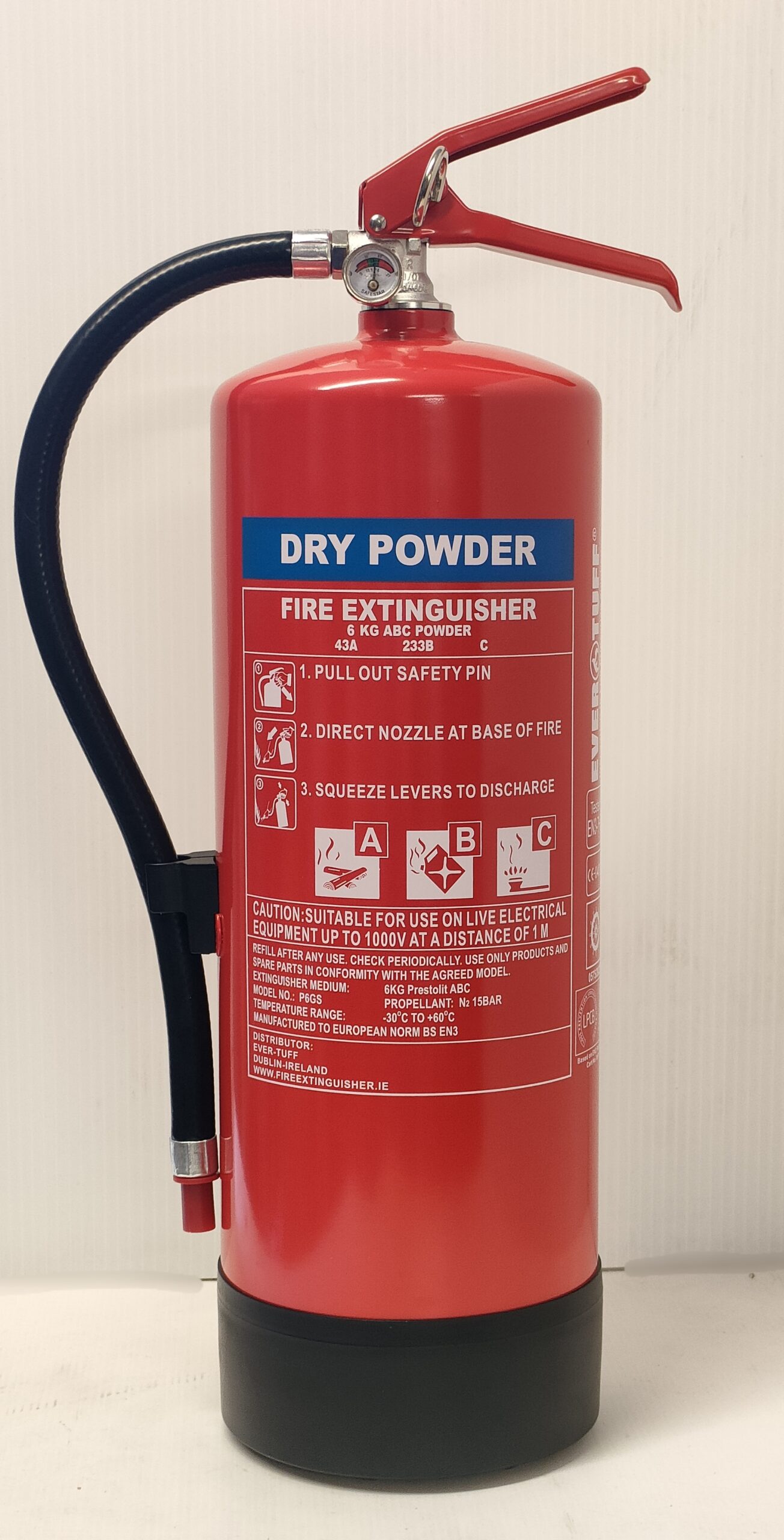
So, what exactly is this superhero in a red cylinder? At its heart, a dry chemical extinguisher contains a finely powdered extinguishing agent, often made from substances like monoammonium phosphate or sodium bicarbonate. When you pull the pin and squeeze the handle, this powder is discharged with nitrogen or carbon dioxide as a propellant, creating a cloud that smothers the flames.
The real magic of the dry chemical extinguisher lies in its ability to interrupt the fire triangle. Instead of just cooling or suffocating, it chemically interferes with the fire's chain reaction, stopping the combustion process in its tracks. Imagine trying to run a marathon, but someone keeps untying your shoelaces – that's what dry chemical does to a fire!
Must Read
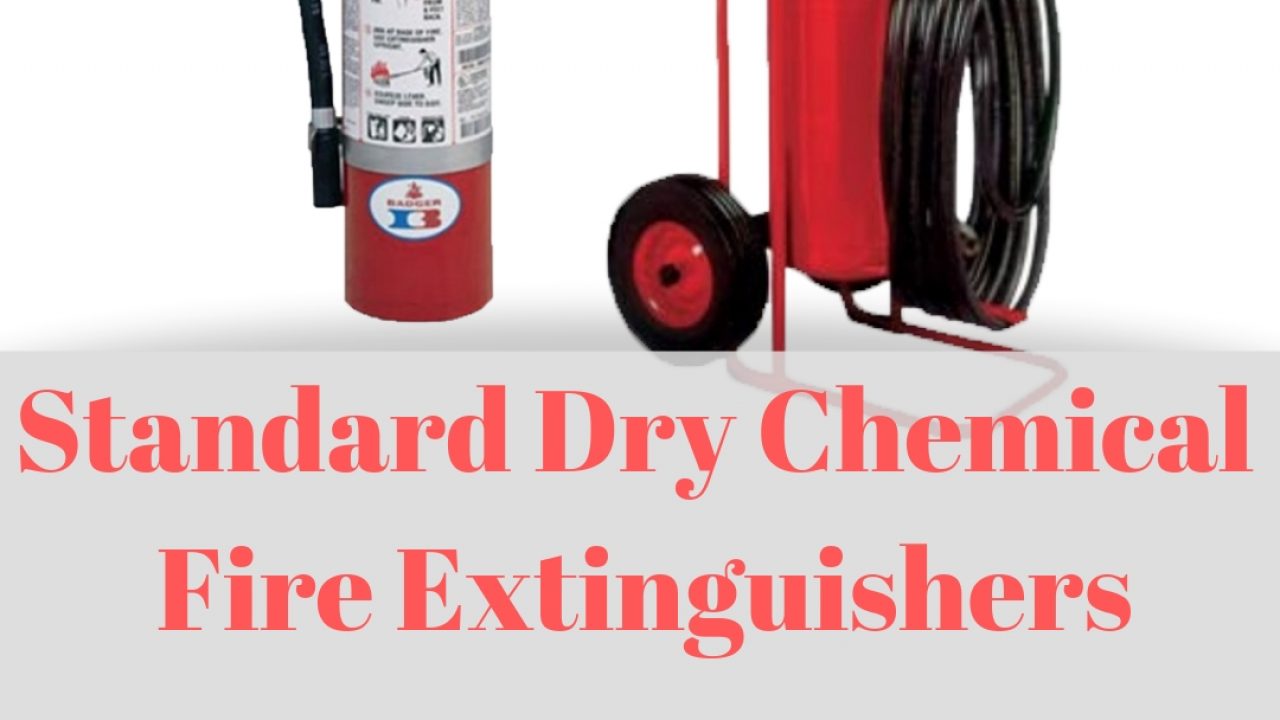
This brings us to its incredible versatility, which is why it's often the go-to choice for homes, offices, and vehicles. Dry chemical extinguishers are primarily designed to combat Class A, B, and C fires. Let's break down what those mean:
- Class A Fires: These are your everyday combustibles – think wood, paper, cloth, and plastics. A forgotten candle on a bookshelf or an overflowing waste bin are classic Class A scenarios. The dry chemical powder coats the fuel, preventing it from reigniting.
- Class B Fires: Here we're talking about flammable liquids and gases, such as grease, oil, gasoline, kerosene, or propane. Imagine a kitchen grease fire – terrifying, right? The dry chemical creates a barrier, stopping the oxygen from reaching the fuel and cooling the surface.
- Class C Fires: This class involves energized electrical equipment. If you have a faulty appliance sparking or an overloaded power strip catching fire, a dry chemical extinguisher is your friend. Crucially, the powder is non-conductive, meaning you can use it on live electrical equipment without the risk of electrical shock.
The benefits are clear: its broad-spectrum capability means you don't need a different extinguisher for every potential fire type in your home or workspace. It's effective, fast-acting, and relatively easy to use (remember the P.A.S.S. method: Pull, Aim, Squeeze, Sweep!). While it might leave a powdery mess – a small price to pay for stopping a blaze in its tracks – its ability to quickly knock down various types of fires makes it an indispensable tool for safety. Keeping a dry chemical extinguisher handy is a smart, proactive step towards ensuring peace of mind. So next time you see that trusty red cylinder, give it a nod of appreciation – it’s ready to be your trusty fire-fighting sidekick!