
Dogs And Ticks Parasitism
/canine-parasites-3385013-v1-5bacee6246e0fb00258c08c5.png)
Hey! So, we need to talk. Coffee's brewing, leash is by the door...you know where this is going, right? Yeah, it's about our furry best friends and those teeny-tiny, totally unwelcome hitchhikers: ticks. Ugh, I shudder just thinking about them.
Seriously, are ticks even from this planet? They’re like little eight-legged ninjas, waiting patiently (and not-so-patiently) to latch onto your dog. And let me tell you, your dog probably won’t even notice until it's too late! Stealth mode: ACTIVATED.
The Parasite Party (and Your Dog's Invited…Against Their Will)
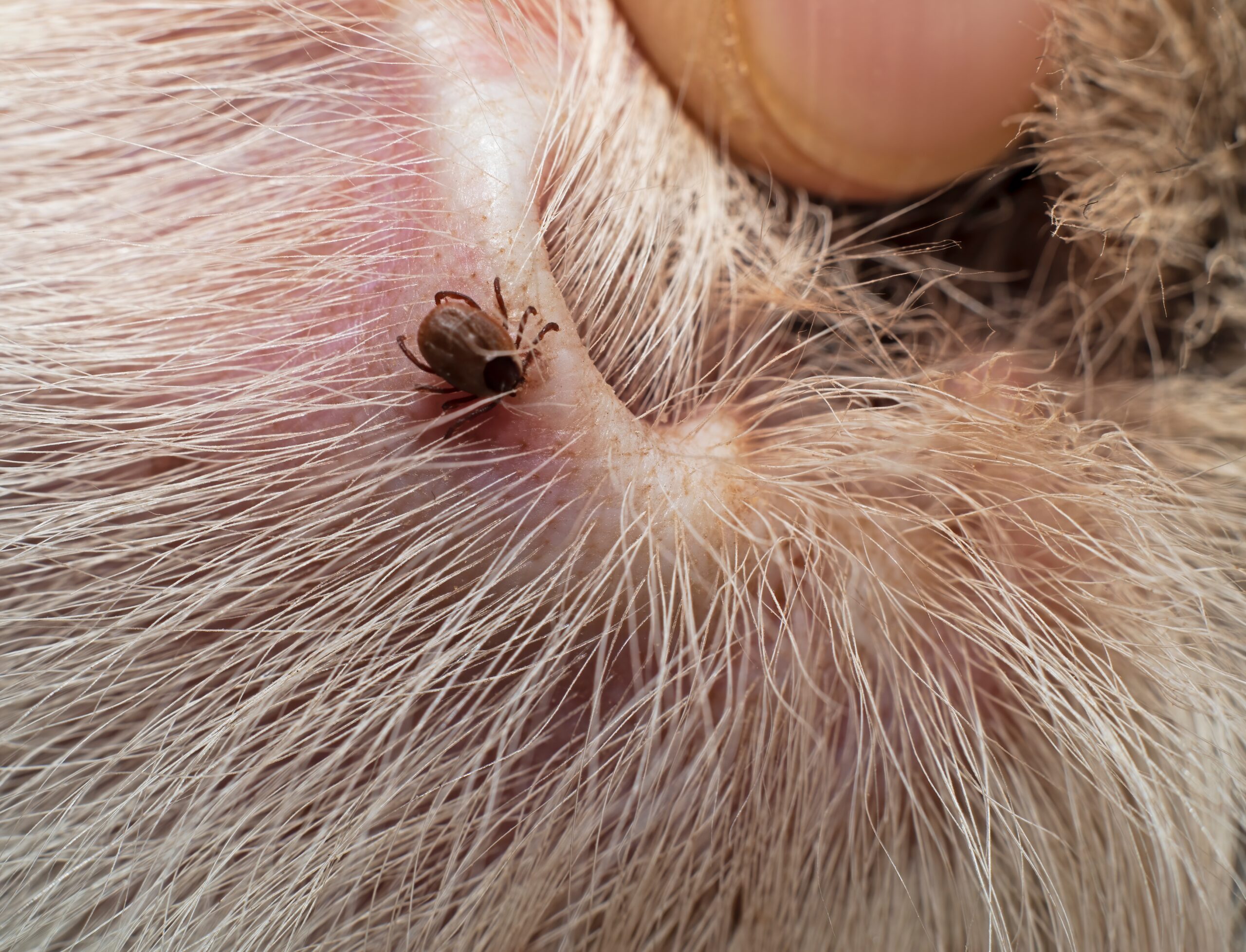
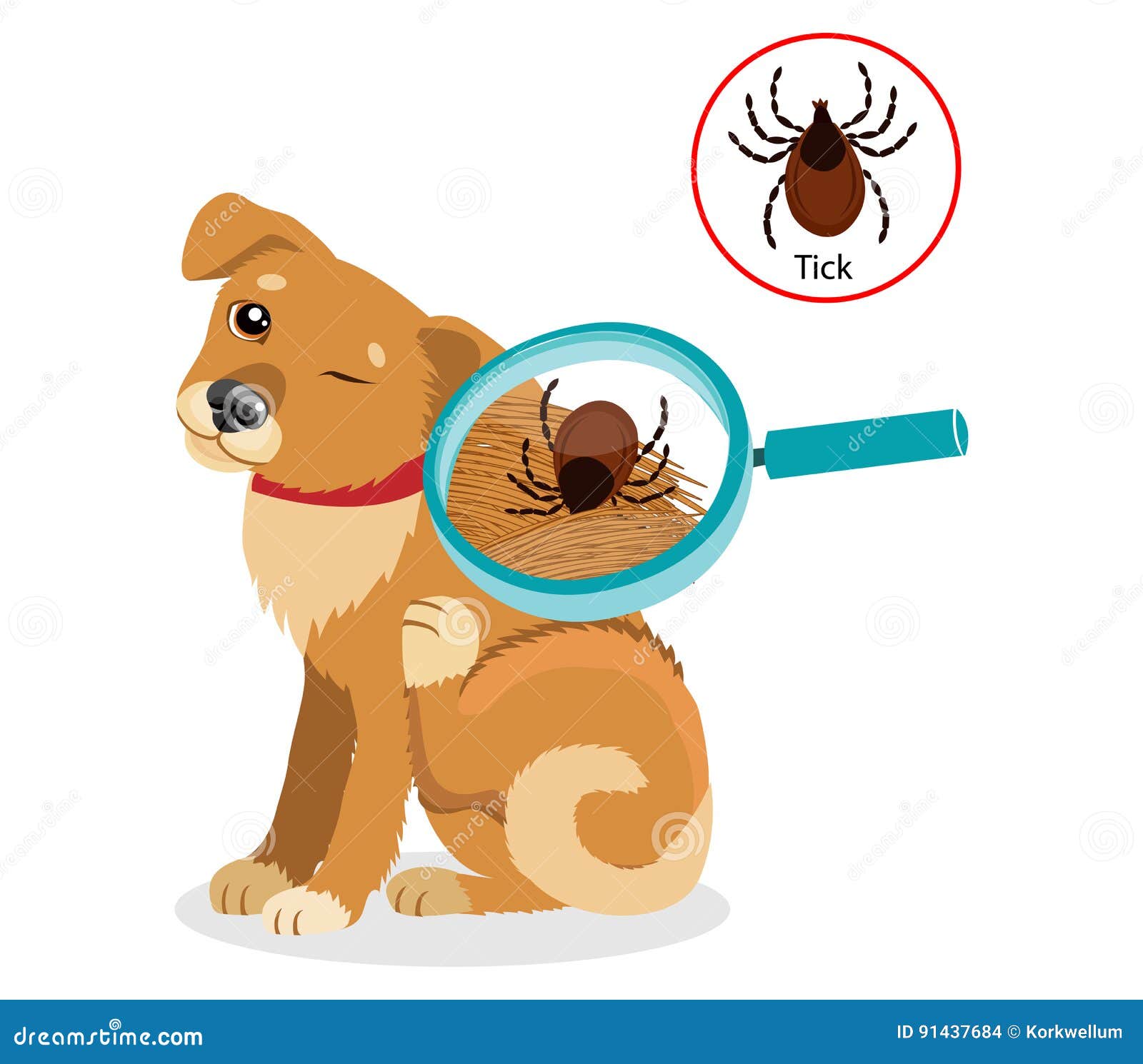
Okay, so technically, ticks are parasites. I know, gross. But what does that mean, really? Well, it means they live off another organism – in this case, our beloved pooches. They need blood to survive, grow, and, well, be generally annoying. Think of it as a really bad houseguest who overstays their welcome and drains your resources. But, like, with more legs and way less charm.
Must Read
They basically set up shop, dig in, and start sucking. Yum! (Okay, definitely not yum.) And while they're feasting, they can transmit all sorts of nasty diseases. We’re talking Lyme disease, Rocky Mountain spotted fever, ehrlichiosis… the list goes on and on. Isn’t that just… lovely?
Where Do These Little Vampires Hang Out?
Ticks are masters of disguise. They lurk in tall grasses, wooded areas, and even your own backyard! Basically, anywhere your dog loves to explore is potential tick territory. Think of them as the gatekeepers of fun, always ready to crash the party. Is your dog a fan of rolling around in the grass? Yeah, the ticks love that.

So, what's a responsible pet parent to do? Panic? Maybe a little. But more importantly, we need to be proactive.
Operation: Tick Prevention – Let’s Protect Our Pups!
Alright, time for the battle plan. Here's how we fight back against these tiny terrors:
- Tick Prevention Medications: This is your first line of defense. There are tons of options – topical treatments, oral medications, even tick collars. Talk to your vet to find the best one for your dog's lifestyle and needs. Don't just grab something off the shelf without doing your homework, okay? We want effective protection, not a placebo effect.
- Regular Tick Checks: After every walk or outdoor adventure, give your dog a thorough once-over. Pay close attention to areas like their ears, armpits, groin, and between their toes. Those are prime tick real estate.
- Landscaping Matters: Keep your lawn mowed, remove leaf litter, and clear away brush. Ticks love shady, moist environments. Basically, make your yard less appealing to them. Think of it as designing your yard to be anti-tick chic.
- Tick Removal Tools: Invest in a good pair of tweezers or a tick removal tool. If you find a tick, remove it carefully and properly. Don't just yank it out – you could leave the mouthparts behind, which can lead to infection. There are tons of tutorials online, watch one!
Finding a tick on your dog is never a fun experience. But with the right precautions and a little bit of diligence, you can significantly reduce their risk of getting bitten. And that's a win for everyone (especially your dog!).
Symptoms to Watch For
Even with the best prevention efforts, sometimes those sneaky ticks manage to get through. So, what are some signs that your dog might have been bitten?
- Fever: A sudden rise in temperature could indicate a tick-borne illness.
- Lethargy: Is your usually energetic pup suddenly acting tired and sluggish? That's a red flag.
- Loss of Appetite: Refusing their favorite treats? Something's definitely up.
- Joint Pain or Stiffness: Difficulty walking or moving? Could be Lyme disease.
- Swollen Lymph Nodes: These are like the body's little alarm systems, and swelling indicates something's wrong.
If you notice any of these symptoms, get your dog to the vet ASAP! Early diagnosis and treatment are crucial for preventing serious complications. Don’t wait and hope it gets better, you know your dog better than anyone.
So, there you have it. The lowdown on dogs and ticks. It's a battle we have to fight every year, but with the right knowledge and preparation, we can keep our furry friends safe and happy. Now, go give your dog a big hug (and maybe a tick check while you're at it!).
And hey, maybe invest in a really good bug spray for yourself too, just in case! Because nobody wants to be a tick buffet, right?
