Does Uv Light Kill Fungus On Skin
Have you ever wondered if that futuristic-looking UV wand you've seen advertised could actually zap away annoying skin fungus? Or maybe you're just curious about how the sun, a giant source of UV light, affects the little critters living on your skin. It's a fascinating topic, and understanding the relationship between UV light and fungus can be incredibly practical for everyday life, from keeping your shower clean to understanding the basics of skin health.
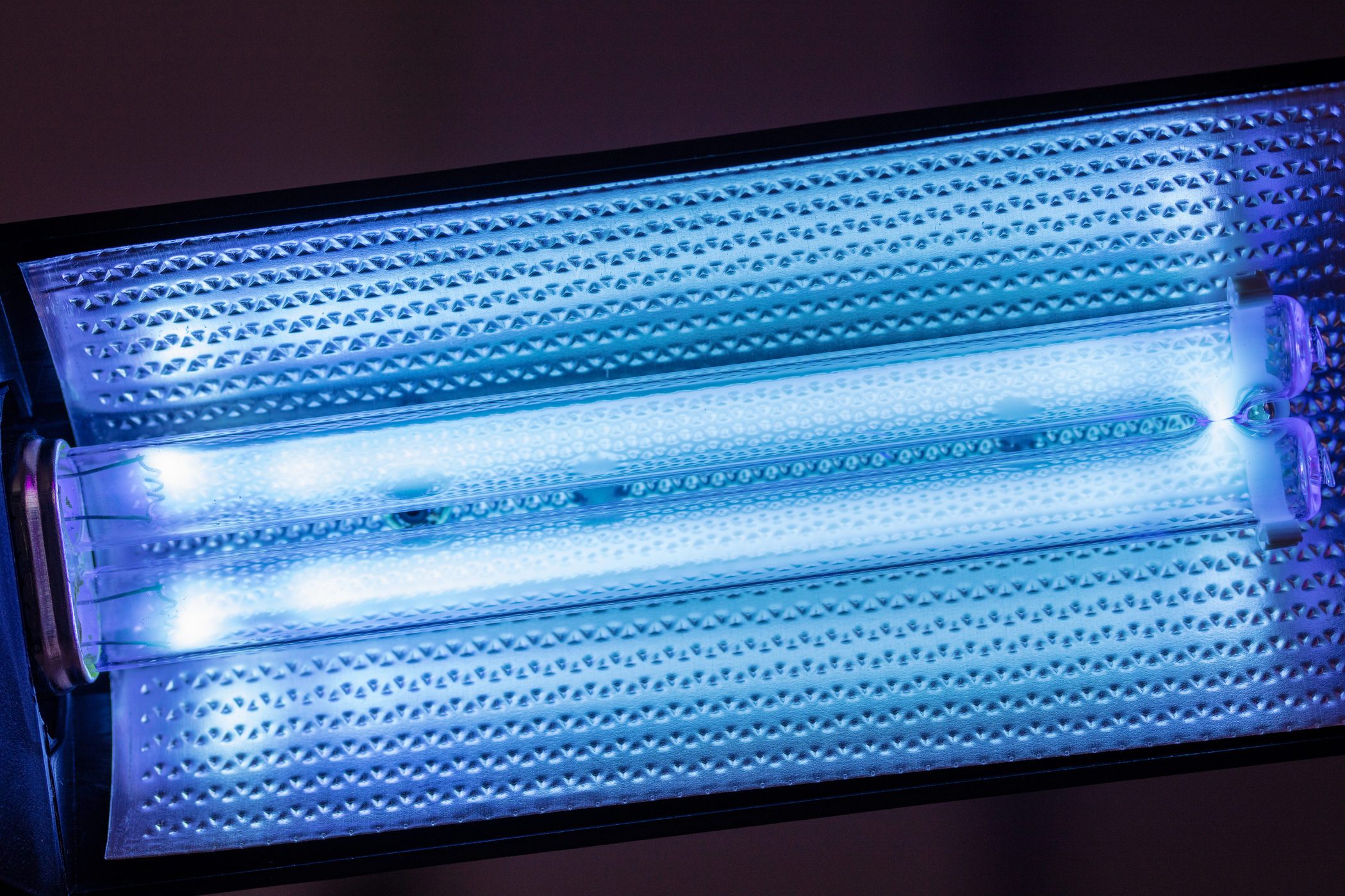
So, does UV light really kill fungus on skin? The short answer is: yes, it can, but it's more complicated than simply shining a light and watching the fungus disappear. UV light, particularly UVB and UVC, has been proven to have germicidal properties. This means it can disrupt the DNA of microorganisms, including fungi, preventing them from replicating and effectively killing them. Think of it like this: UV light scrambles the instructions that the fungus needs to survive and reproduce.
The purpose of using UV light to kill fungus is primarily to disinfect and sanitize. It offers a potential alternative to harsh chemical cleaners, especially in sensitive environments. The benefits are numerous: it can reduce the spread of fungal infections, improve hygiene, and in some industrial applications, even extend the shelf life of products by reducing fungal contamination.
Must Read
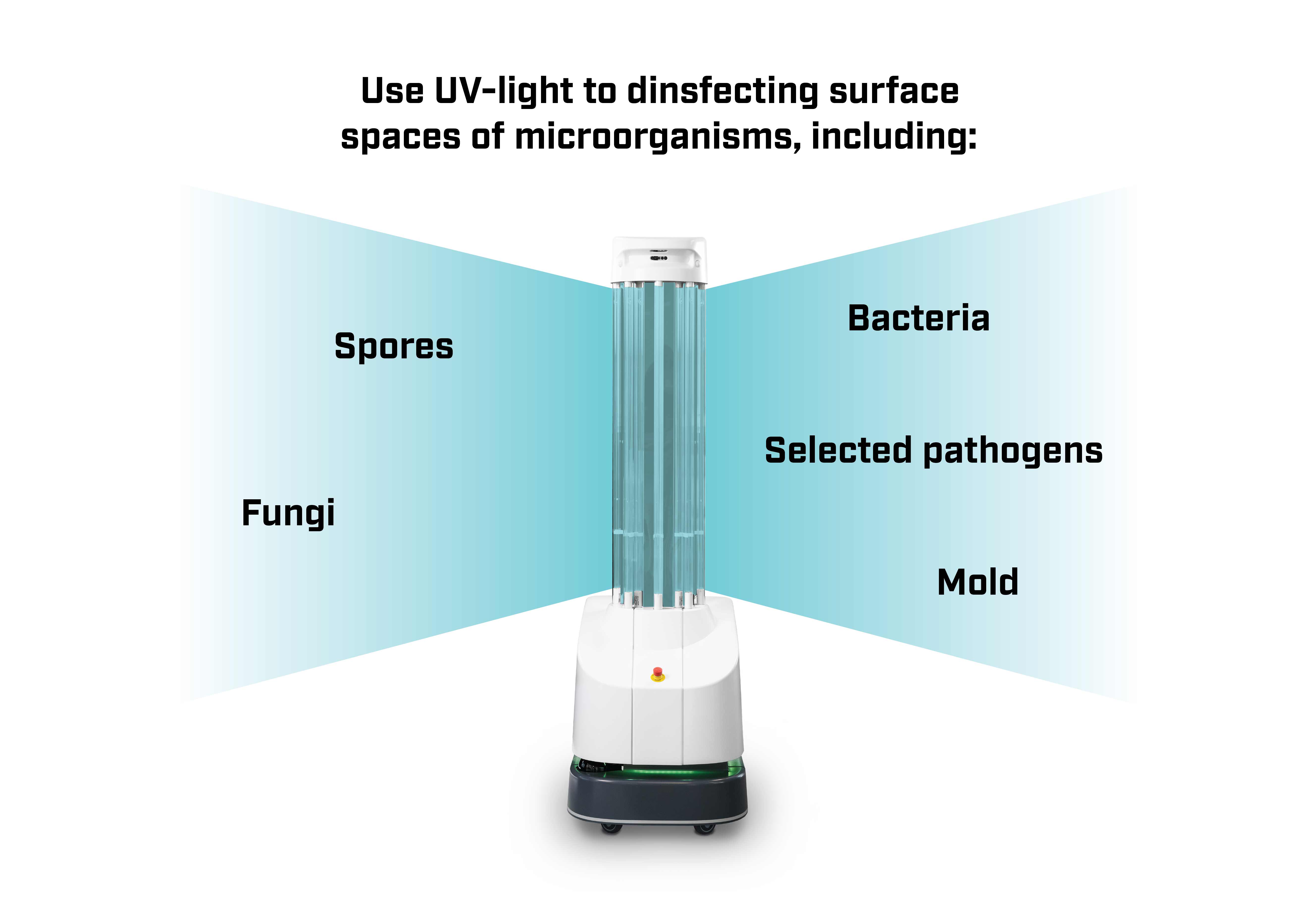
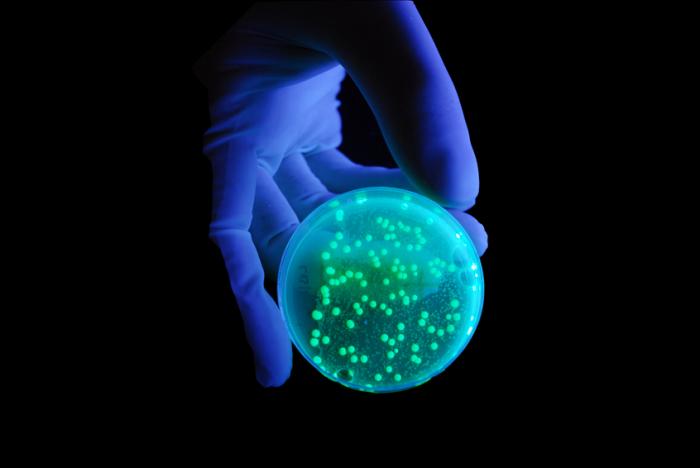
Where do we see this in action? Think about UV sanitizing wands that are marketed for disinfecting surfaces like phones and keyboards. These devices often utilize UVC light, which is particularly effective at killing germs, including fungi. In hospitals, UV light is used to sanitize operating rooms and equipment. Even in agriculture, UV light is being explored as a way to control fungal diseases on crops, reducing the need for chemical pesticides. In education, biology classes sometimes use UV light to sterilize petri dishes and equipment, providing a practical demonstration of its antimicrobial properties.
But what about using it directly on your skin? That's where things get tricky. While UV light can kill fungus, it can also be harmful to human cells. Overexposure to UV radiation, even in the form of sunlight, can cause sunburn, premature aging, and increase the risk of skin cancer. Therefore, direct application of strong UV light to the skin to treat fungal infections is generally not recommended without the supervision of a medical professional. Dermatologists may sometimes use specific, controlled UV therapy (phototherapy) for certain skin conditions, but this is done under very careful monitoring.
If you're interested in exploring this topic further, start with simple observation. Notice how mold grows in damp, dark places, but rarely in direct sunlight. This hints at the natural antifungal properties of UV radiation. You could also research the different types of UV light (UVA, UVB, UVC) and their effects on living organisms. Remember, always prioritize safety and consult with a doctor or dermatologist before considering any UV-based treatment for skin conditions.
Ultimately, while UV light can be a powerful tool in the fight against fungus, it's essential to understand its limitations and potential risks. Using it responsibly and with expert guidance is key to harnessing its benefits safely.