
Does The Power Saver Pro Really Work

Alright, gather 'round, folks! Let's talk about something that's been buzzing around like a caffeinated hummingbird: the Power Saver Pro. You know, that little gizmo promising to slash your electricity bill in half, allowing you to finally afford that solid gold toilet you've always dreamed of?
The claim is simple: plug this thing into your wall, and BAM! Suddenly, your energy usage is magically optimized, saving you tons of cash. Sounds amazing, right? Almost too good to be true? Well, settle in with your latte, because we’re about to dive headfirst into the quirky world of energy-saving gadgets and see if this Power Saver Pro is a superhero or just another infomercial casualty.
The Promise vs. the Physics
The basic idea, as pitched by the manufacturers (usually accompanied by dramatic before-and-after graphs and testimonials from people who look suspiciously like stock photos), is that the Power Saver Pro somehow corrects your "dirty electricity." They claim it cleans up the power flowing through your home, making your appliances run more efficiently.
Must Read
Now, "dirty electricity" is a real thing. It refers to electromagnetic interference (EMI) and harmonic distortion that can be present in electrical systems. But here's the kicker: modern appliances are generally designed to handle these minor imperfections without a significant impact on their efficiency. Think of it like your car. A little bit of dirt on the engine isn't going to turn your fuel economy into a dumpster fire.
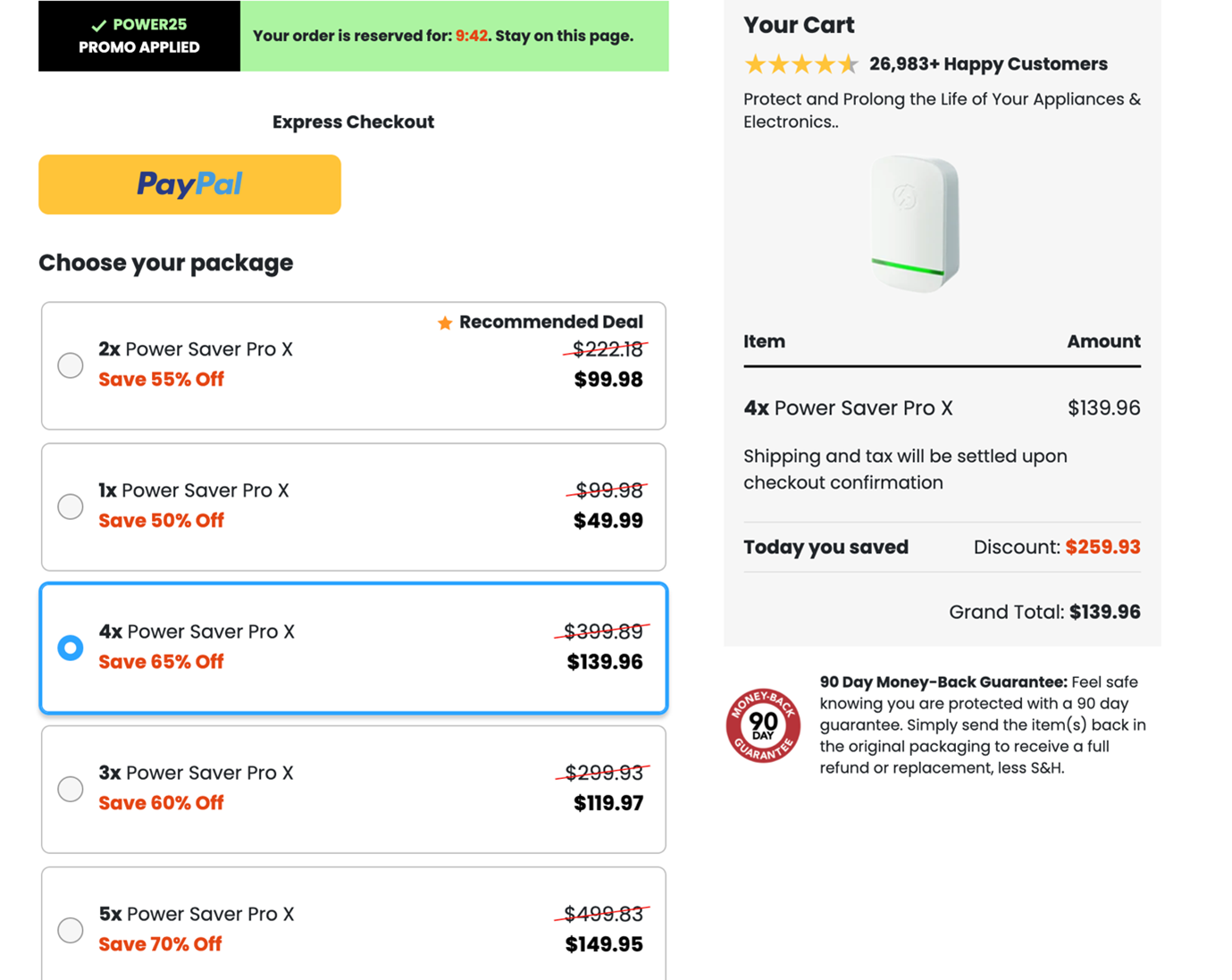
The Power Saver Pro claims to filter out this "dirty electricity" using something called "power factor correction." Power factor correction is a legit technology, used in large industrial settings to optimize the efficiency of massive equipment. We're talking factories, not your toaster oven.

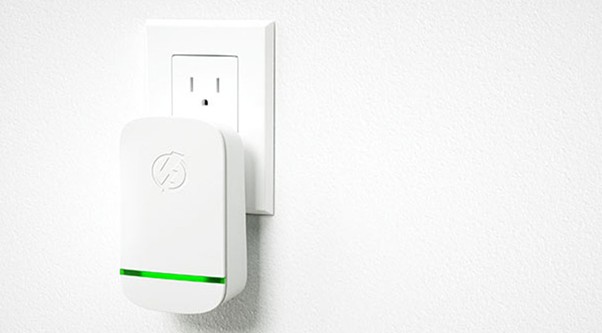
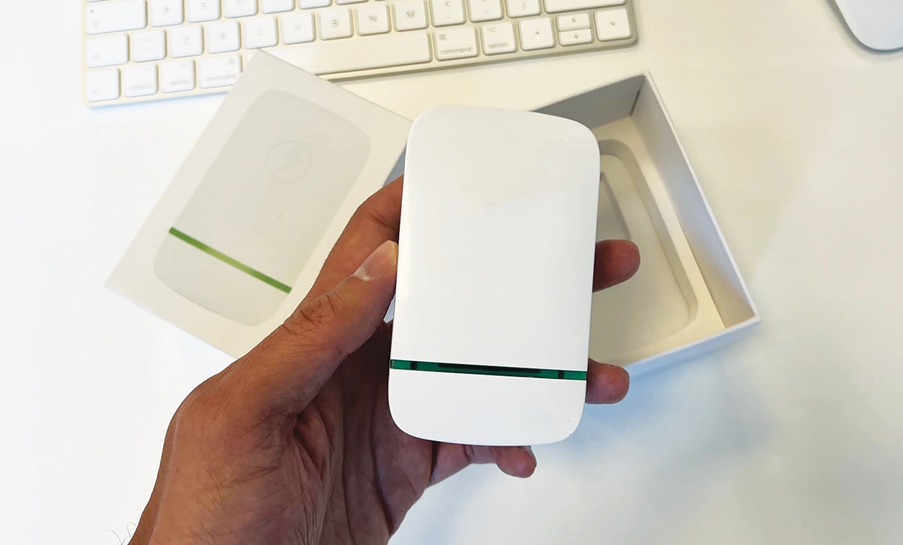
Here's where the size matters. Think about it. To correct the power factor of a whole factory needs a device about the size of a small car. Can a device which is the size of your smartphone charger can make a meaningful difference in your entire house? What do you think?
The Reality Check (and a sprinkle of skepticism)
So, what's the problem? Well, for starters, most homes have a power factor that's already pretty darn close to ideal. Modern appliances are designed with efficiency in mind, and the minor improvements you might see from something like the Power Saver Pro are usually negligible.
Think about it this way: imagine you're trying to lose weight by only eating organic kale. Sure, kale is healthy, but if you're still downing a whole pizza afterward, that kale salad isn't going to move the needle much. The Power Saver Pro is the kale salad of energy efficiency – a nice thought, but ultimately not a game-changer.
And here’s a fun fact: many of these devices are actually just capacitors in a fancy box. A capacitor stores electrical energy. They can sometimes help with certain types of inductive loads (like motors in old refrigerators), but even then, the savings are usually so tiny they're barely measurable. You're more likely to find spare change in your couch cushions than see a real reduction in your electricity bill thanks to this thing.
Testing, Testing... Is This Thing On?
Numerous independent tests have been conducted on these types of devices, and the results are consistently underwhelming. Most studies show little to no measurable energy savings. Some even show a slight increase in energy consumption! It's like trying to save gas by putting a spoiler on your grandma's Buick – it might look cool (debatable), but it's not doing anything useful.
Don't just take my word for it, though! Search for "Power Saver Pro review" and prepare to be bombarded with a sea of skeptical articles, disappointed customers, and the occasional suspiciously glowing review that probably came straight from the manufacturer's marketing department.
So, Should You Buy One?
Let’s be blunt: probably not. Unless you enjoy the thrill of potentially throwing money away, there are far more effective ways to save energy. Think about it: simple changes like switching to LED bulbs (those things are amazing!), unplugging electronics when you're not using them (vampire energy is a real thing!), and properly insulating your home will give you far better results. And they’re usually cheaper too!
If you really want to optimize your energy usage, consider a professional home energy audit. An expert can identify specific areas where you're wasting energy and recommend targeted solutions. This might involve upgrading your appliances, improving your insulation, or even installing solar panels. These are real investments that will actually pay off in the long run.
In conclusion, while the Power Saver Pro might sound like a tempting shortcut to lower energy bills, the evidence suggests it's more of a snake oil solution than a technological marvel. Save your money, invest in real energy-saving measures, and maybe buy yourself that solid gold toilet fund with the savings you get from actual efficiency improvements.