
Does Smoke Detector Detect Carbon Monoxide
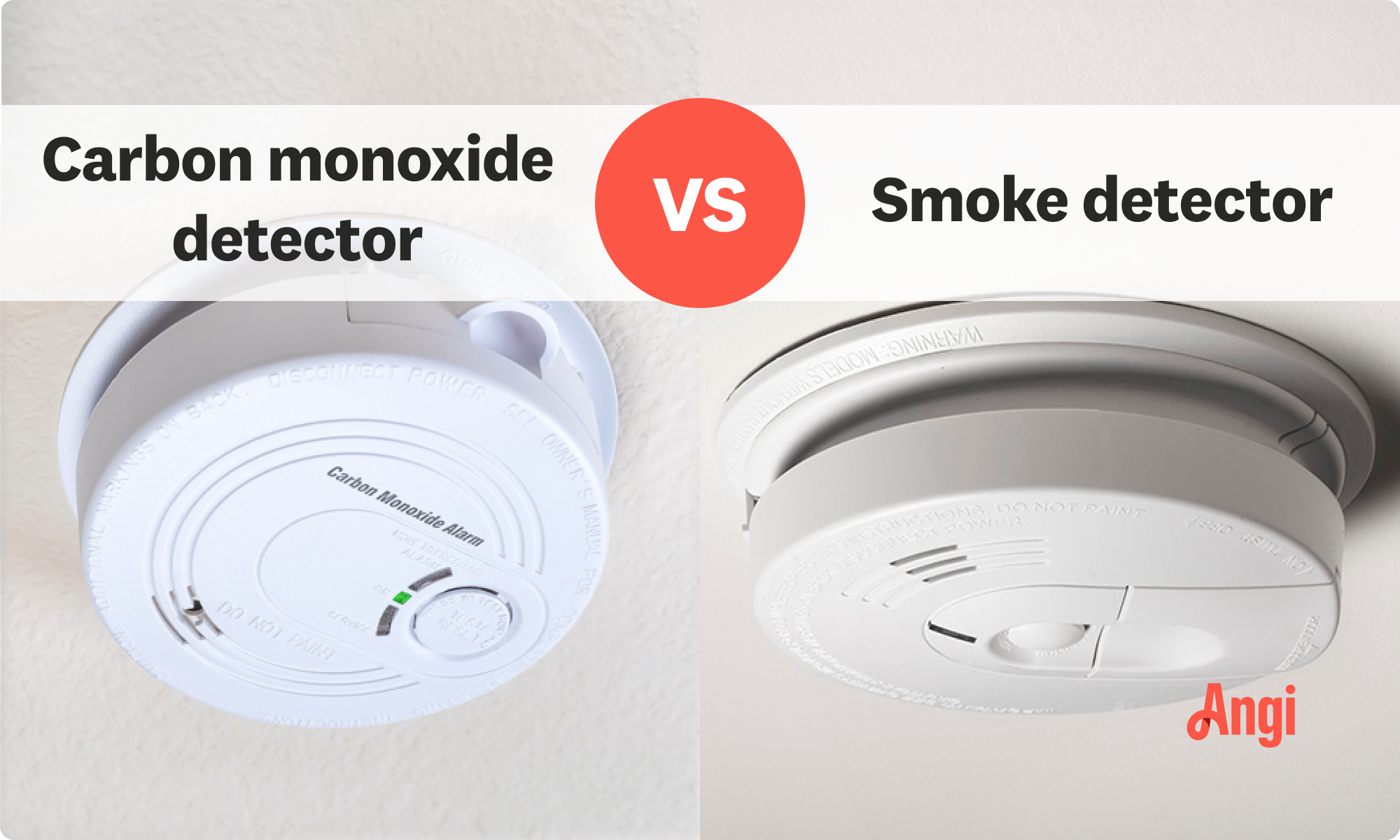
Your Home's Tiny Guardians: Do They Double Up on Duties?
Alright, let's talk about those unsung heroes clinging to your ceilings and walls: your home's safety alarms! They're like your house's super-sensitive ears and nose, always listening and sniffing for trouble.
But here's a question that pops up more often than popcorn on movie night: Does your trusty smoke detector also moonlight as a carbon monoxide detector? Is it a dual-threat safety superstar?
Get ready for a little revelation, because the answer, for most standard models, is a resounding and emphatic... nope!
Must Read
Smoke and Carbon Monoxide: Two Different Villains
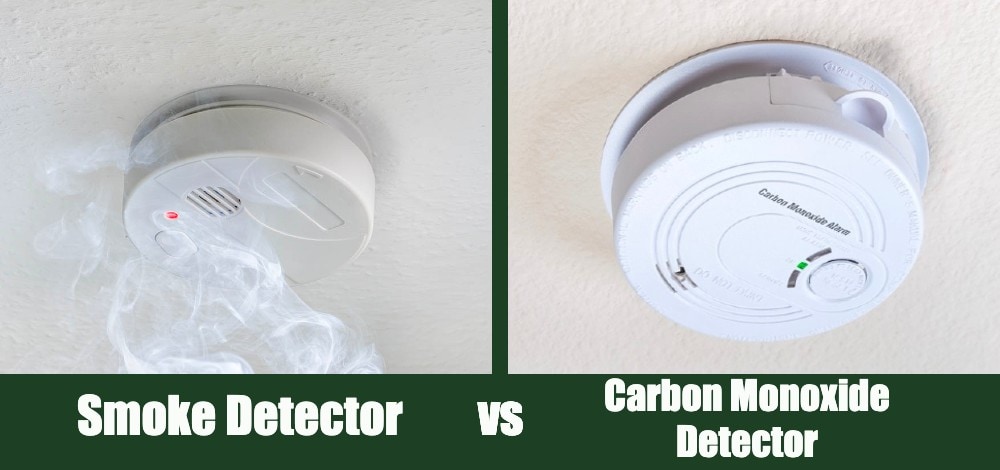
Think of it this way: your smoke detector is specifically trained to spot the puffy, visible drama of a fire. It's looking for those little smoke particles doing their smoky dance.
It’s like asking a guard dog trained to bark at squirrels if it can also catch invisible ninjas. Different threats, different specialized skills!
Smoke is usually a dramatic entrance; it's visible, it often smells, and it makes a fuss. You can usually see it creeping under a door or wafting from the kitchen when dinner takes an unexpected turn.
"Smoke is the clumsy, loud villain you can easily spot."
Now, enter carbon monoxide, the ultimate stealth operative. This gas is the super-secret agent of household hazards.
It's completely invisible, totally odorless, and absolutely tasteless. It gives no warning signs, no dramatic puffs, no tell-tale scent that screams "danger!"
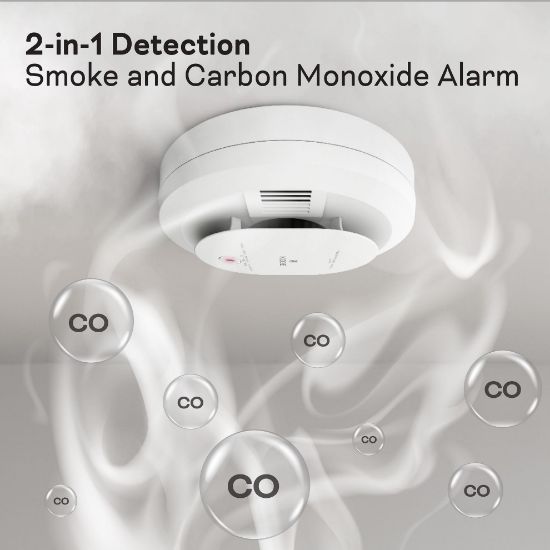
This sneaky gas can silently fill your home, creeping up on you and your loved ones without anyone even knowing it's there. It's truly the silent killer, living up to its chilling nickname.
Meet the Specialized Hero: The Carbon Monoxide Detector
Because carbon monoxide is such a master of disguise, it needs its own dedicated sentinel. This is where the mighty carbon monoxide detector swoops in!
These specialized gadgets have tiny sensors designed to sniff out the presence of CO molecules in the air. They are specifically calibrated to detect that invisible gas, even in small, dangerous concentrations.
So, while your smoke detector is busy keeping an eye out for fiery fiascos, your carbon monoxide detector is on a completely different mission: tracking down the undetectable rogue gas.
Each device has a crucial job, and they’re both absolutely essential for a truly safe home. You wouldn't send a superhero without their specific powers, right?
The Dynamic Duo: Combo Detectors!
Now, don't despair! While traditional smoke detectors usually don't detect CO, technology has gotten super smart. Many modern alarms are now the ultimate multi-taskers!
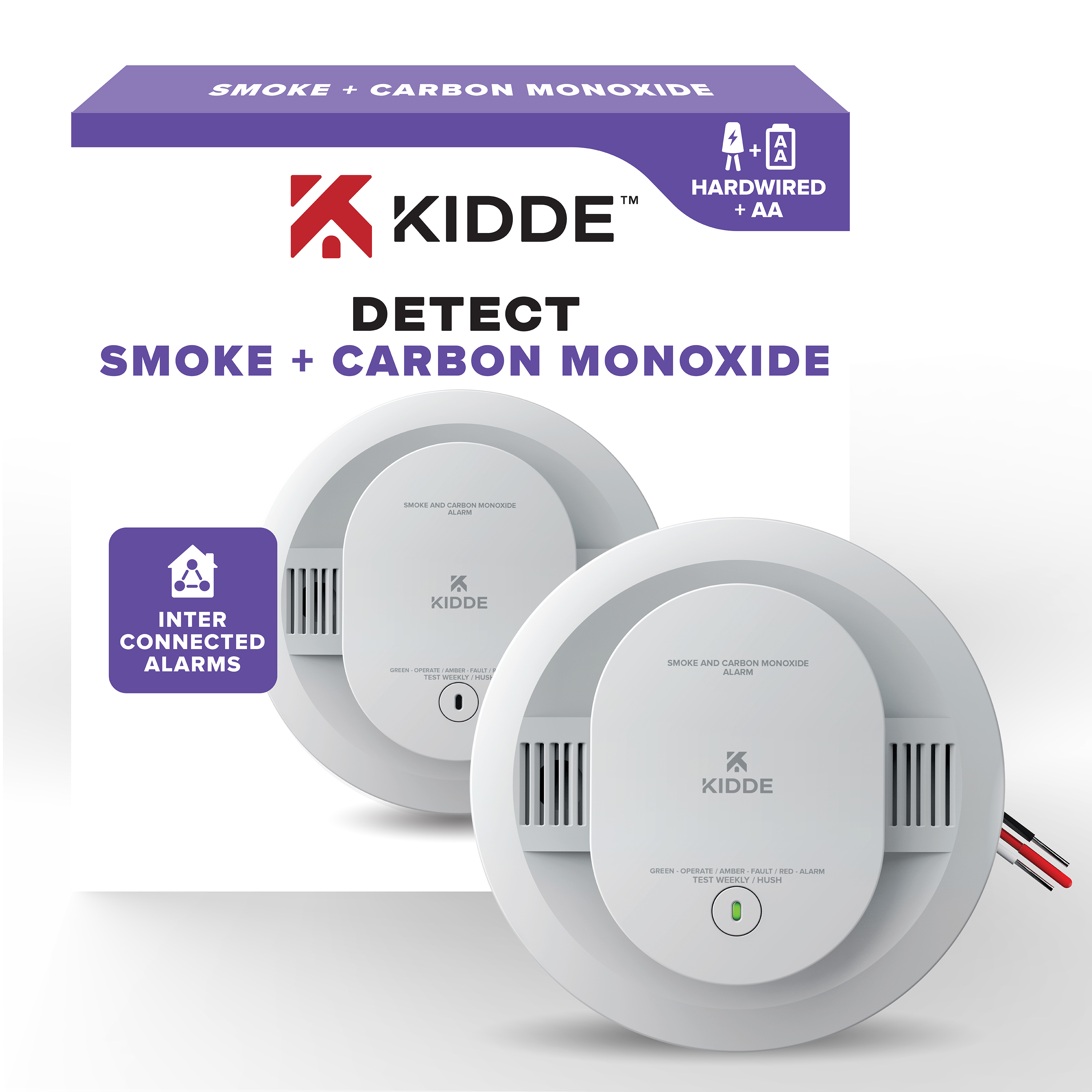
You can absolutely find fantastic combo units that are both a smoke detector AND a carbon monoxide detector all rolled into one sleek gadget. These are the superhero team-ups we all love to see!
These combo units are fantastic because they save space, simplify installation, and offer comprehensive protection from both fire and CO. It's like having two vigilant guardians in one handy package.
Imagine the peace of mind knowing one little device is keeping an eye out for both the obvious drama of smoke and the hidden threat of the invisible gas. It’s a double layer of awesome safety!
"Why have one hero when you can have a dynamic duo working together?"
Why Both Are Non-Negotiable
Let's emphasize why having both types of detection is not just a good idea, but an absolute must. Fire is obviously terrifying and destructive, but at least it often gives you some warning.
Carbon monoxide, on the other hand, is insidious. It enters your body through your lungs, quietly replacing the oxygen in your blood. It essentially starves your organs of the life-giving oxygen they need to function.
Symptoms of CO poisoning can be tricky, often mimicking flu-like symptoms: headaches, dizziness, nausea. People often don't realize what's happening until it's too late.
Sources of CO can be common household appliances: a faulty furnace, a blocked chimney, a gas stove, a water heater, or even a car left running in an attached garage. These are everyday items that deserve a watchful eye.
Having a dedicated carbon monoxide detector is your only real defense against this silent threat. It's your personal early warning system for a gas you can't see, smell, or taste.
Your Mission, Should You Choose to Accept It!
So, what's the takeaway from our little safety adventure? First, check your existing detectors! Take a peek at their labels or instruction manuals. Do they explicitly state they detect both smoke and carbon monoxide?

If not, and you only have standard smoke detectors, it’s time to invite a specialized carbon monoxide detector or a fantastic combo unit into your home. Think of it as expanding your home's safety squad!
Place carbon monoxide detectors on every level of your home, especially near sleeping areas. This way, if CO makes an unwelcome visit, you'll be alerted even when you're dreaming sweet dreams.
And remember to test all your alarms regularly! Push that test button once a month to ensure those little guardians are chirping loud and clear. Replace batteries at least once a year, or when they start chirping a warning to you.
Being proactive about home safety is one of the kindest things you can do for yourself and your loved ones. It’s about peace of mind, knowing you’ve got all your bases covered against both obvious dangers and sneaky ones.
So go forth, be an informed safety champion, and let those tiny heroes keep your home a happy, healthy, and supremely safe sanctuary!