
Does Sending Money To Ukraine Cause Inflation
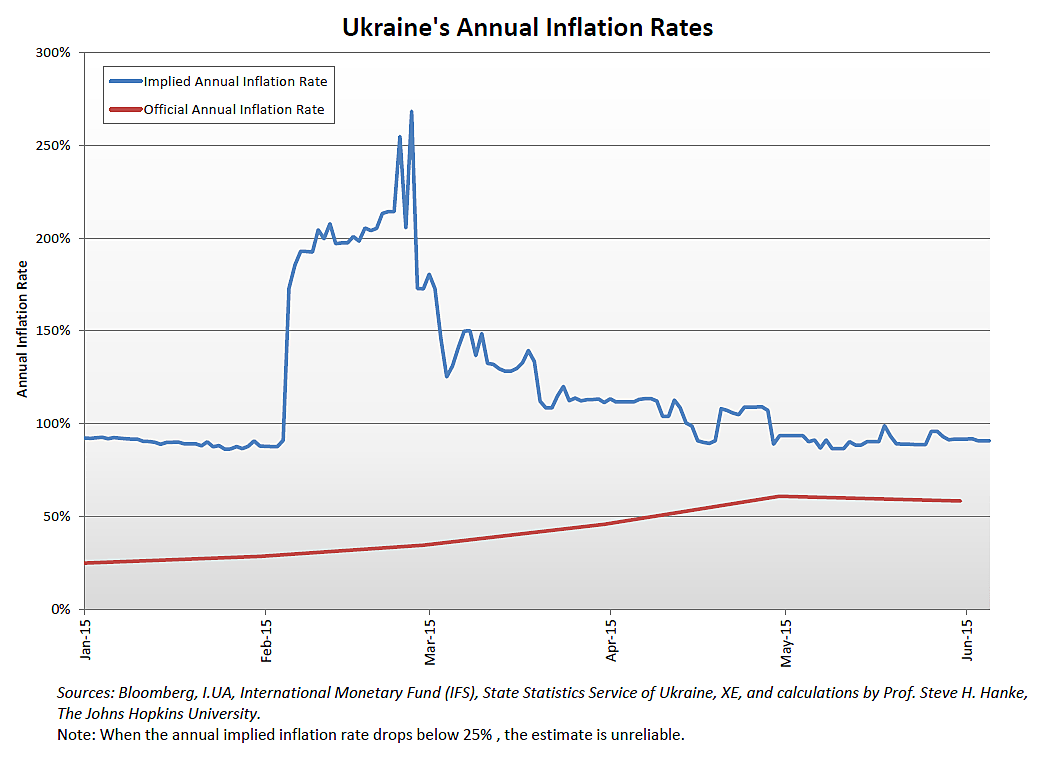
So, you're scrolling through the news, seeing headlines about Ukraine, and you’re thinking, "Okay, I want to help. But will my little donation actually mess up the economy... like, globally?"
The Great Ukraine Money Mystery!
Let's be honest, economics can feel like trying to understand a cat explaining quantum physics. It's complicated! But we’ll break down this whole "sending money to Ukraine and inflation" thing in a way that won't make your head explode.
The short answer? It's not as simple as "Money goes to Ukraine = prices go up for everyone". Think of it more like a really, really complex recipe with a thousand ingredients.
Must Read
The Tiny Donation, Big Heart Effect
Imagine you decide to send $50 to a charity helping Ukrainian refugees. Awesome! You’re a good person.
Does that $50 single-handedly cause a loaf of bread to suddenly cost $10? Probably not. Your individual contribution is a drop in a very large economic ocean.
However, let’s zoom out a bit.
The Nation-State Wallet
Now, picture governments sending billions in aid. That's a whole different kettle of fish! When countries send large sums of money, it can have an impact on prices.
Here’s why: it's all about supply and demand. If Ukraine needs a lot of, say, ammunition, and everyone is scrambling to supply it, the price of ammunition might go up. Simple, right?
That increased price could ripple outwards and affect other industries, contributing to overall inflation. But it's not a direct, guaranteed cause-and-effect relationship.
The Inflation Culprit Line-Up
Inflation is like a chaotic family reunion. Lots of different relatives (causes) are contributing to the drama (rising prices). Blaming it all on just one person (Ukraine aid) is unfair and inaccurate.
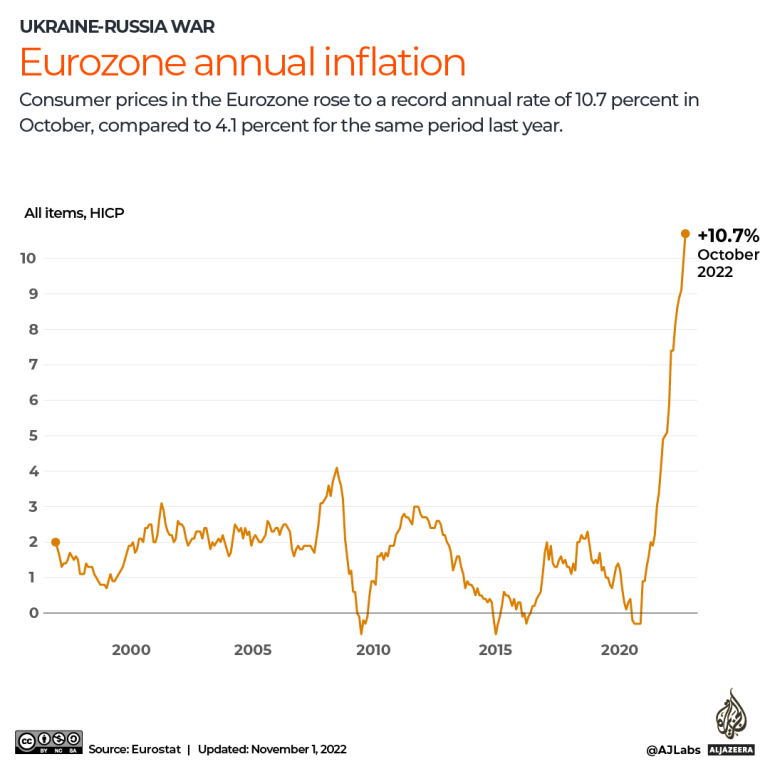
Think about it: Supply chain disruptions caused by the pandemic, increased energy prices due to geopolitical instability (which, admittedly, is related to the war in Ukraine), and good old-fashioned increased demand all play a role.
Basically, inflation is a complicated stew, and aid to Ukraine is just one spice. A spice that some economists believe has a relatively minor effect compared to other, bigger ingredients.
Where Does the Money Actually Go?
It's not like the money is just stuffed under mattresses in Kyiv! A large portion of aid is spent on goods and services. This money is then used to buy things that Ukraine needs, often from other countries.
For example, Ukraine might buy grain from Poland, or medical supplies from Germany. This boosts the economies of those countries, creating jobs and stimulating growth. It is not a black hole.
It's a complex web of economic interactions.
The "Opportunity Cost" Conundrum
Some argue that sending money to Ukraine means governments have less money to spend on other things, like domestic infrastructure projects. This is what economists refer to as opportunity cost.
If a country is busy funding the war in Ukraine they might not be able to, for example, fix roads. In theory, this can hamper growth, potentially leading to higher prices in the long run.

But, on the other hand, not helping Ukraine could have far worse economic consequences down the line, such as increased instability and even larger disruptions to global trade.
The Morality Factor
Let's step back for a second. Is worrying about a potential slight increase in inflation really a good reason to withhold aid from a country facing a brutal invasion?
Many argue that there are moral imperatives that outweigh purely economic considerations. Putting a price on human suffering feels a little...icky, doesn't it?
The decision to provide aid is often based on a complex mix of economic, political, and ethical factors. It's not as simple as balancing a checkbook.
The Economist's Crystal Ball (Spoiler: It's Cloudy)
Economists, bless their hearts, are constantly trying to predict the future. But predicting the economic impact of something as complex as a war is notoriously difficult.
One economist might argue that aid to Ukraine is a major driver of inflation, while another might say it's a negligible factor. Often they disagree, sometimes vehemently!
The truth is, nobody knows for sure exactly how much impact aid to Ukraine is having on global inflation. It's all just educated guesses and models.
So, Should You Still Donate?
Ultimately, the decision to donate to Ukraine (or not) is a personal one. Consider the facts, weigh the arguments, and make the decision you feel is right.

Don’t let nebulous fears about inflation paralyze you from helping if you feel called to do so. Remember that even small acts of kindness can make a big difference in someone's life.
And, hey, if donating $20 makes you feel good, that’s a good thing in itself. Perhaps that feeling of well-being even boosts productivity, which, ironically, could reduce inflation in the long run! (Okay, maybe I'm stretching it a bit...)
The Key Takeaway (In Plain English)
Sending money to Ukraine can contribute to inflation, but it's just one tiny piece of a very large and complicated puzzle.
There are many other factors at play, and the moral imperative to help those in need should not be ignored.
So, donate if you feel moved to do so, and don't let economic anxieties completely paralyze your generosity. The world needs more of that!
The Surprising Silver Lining
Here's a thought. International aid can, in the long term, bolster global stability and trade, the very things that can help keep prices down. Stable countries are better trading partners.
Investing in a more peaceful world, paradoxically, could be an investment in a more stable economy. Helping others can sometimes help yourself!
It's a heartwarming thought, isn't it?
A Humorous Aside
Imagine if every time someone donated to Ukraine, a tiny gnome popped out and secretly raised the price of a single potato. It's absurd, right?
That's kind of how the "Aid to Ukraine causes inflation!" argument can feel sometimes. It's oversimplified and ignores the complexities of the global economy.
Economics isn't always logical, but it's rarely that illogical.
The Final Verdict (Maybe)
So, does sending money to Ukraine cause inflation? The answer is… it depends. It is a small factor within a much larger and more complex situation.
It's not a simple yes or no. It's a complicated "maybe, but probably not as much as you think, and there are other things to consider too".
Now you can go back to scrolling, slightly more informed, and hopefully, slightly less stressed about the economic consequences of your kindness.
Remember Ukraine needs help. Inflation is scary. Both things can be true at the same time!