
Does Running A Ceiling Fan Use A Lot Of Electricity

Okay, so picture this: it's a scorcher outside, right? Like, melt-your-flip-flops-to-the-pavement hot. And you, being the genius you are, have your trusty ceiling fan whirring away, creating that lovely, gentle breeze. Ahhh. Pure bliss. But then, a little nagging voice in the back of your head pipes up, usually just as you’re about to drift off into a cool, calm nap. It whispers, "Is this thing totally sucking up all my electricity? Is my next bill going to look like a phone number?"
Sound familiar? Happens to the best of us. We stare up at those spinning blades, mesmerized, but also a little terrified of the energy drain. So, let's get down to brass tacks, shall we? Grab your imaginary coffee, lean in, because we're about to spill the beans on ceiling fan electricity usage.
The Big Question: Is It An Energy Hog?
Drumroll, please… No! Not even close. Seriously, put that worry goblin back in its tiny box. Running a ceiling fan is actually one of the most cost-effective ways to keep cool and comfortable in your home. Like, ridiculously cheap. We’re talking peanuts here, my friend.
Must Read
I know, I know. It's always on, right? It feels like it should be guzzling power. But here's the kicker: ceiling fans don't actually cool the room's air. Nope! They just circulate it, creating a wind-chill effect on your skin. That moving air evaporates sweat, making you feel cooler. It’s like magic, but, you know, science magic.
Compare & Contrast: Fans vs. AC
Think about it this way: your air conditioner? That's the real beast. ACs are incredible, don’t get me wrong, especially when you need a serious chill-out session. But they are power hungry. They work by removing heat from the air, which takes a heck of a lot more juice than just pushing air around.
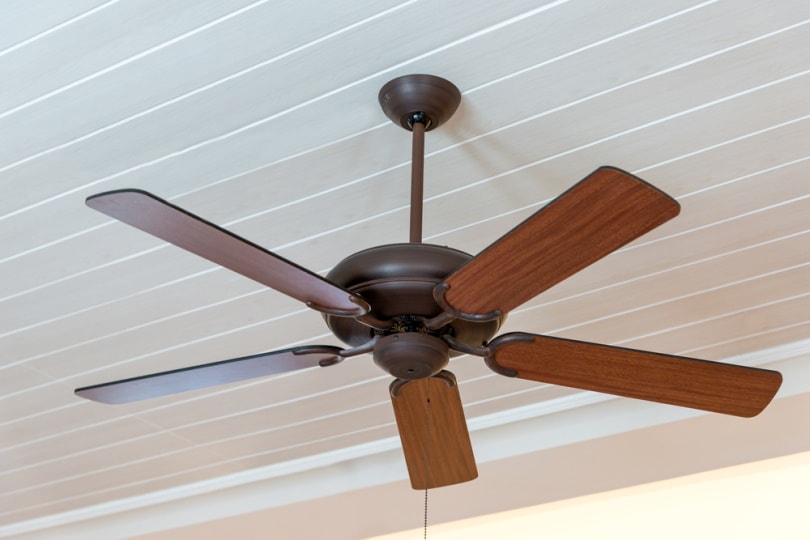
A typical central air conditioner can pull anywhere from 3,000 to 5,000 watts. Your window unit? Maybe 500 to 1,500 watts. And your ceiling fan? Get ready for this… most modern ceiling fans use somewhere between 15 to 90 watts on their highest setting. Fifteen watts! That's like, a glorified nightlight!
So, putting it into perspective, running your fan is about as expensive as keeping a couple of old-school incandescent light bulbs on. Not even an LED bulb, which uses even less! It's practically free real estate on your energy bill.

Let's Talk Pennies (Literally)
Want some real numbers? Let’s play a quick game of "How Many Cents?" If your fan uses, say, 75 watts (a fairly high-end one) and your electricity costs, oh, 15 cents per kilowatt-hour (kWh), then running that fan for an entire hour would cost you… wait for it… about 1.1 cents. Yes, you read that right. One. Point. One. Cents.
Think about what you can buy for 1.1 cents. Nothing! Maybe a sliver of an old penny you found under the couch. Running it all day, for 24 hours straight? That's about 26 cents. Less than a single gumball! Less than the tax on your coffee! You're probably spending more on charging your phone overnight.
So, the next time you're sweating bullets, feeling guilty about clicking that fan on, remember this: that little breeze is costing you less than the air you breathe (metaphorically, of course).
Smart Fan Usage: A Quick Pep Talk
Now, while they’re super efficient, there’s still a smart way to use them. Here's my golden rule, something my grandma probably would’ve said:

- Turn it off when you leave the room. Since fans cool people, not rooms, there’s no point in letting it spin away in an empty space. It's just moving air around for no one! Think of it as leaving a light on when no one’s home. A small waste, but a waste nonetheless.
- Check your fan direction. In summer, you want the blades to spin counter-clockwise, pushing air down. In winter (if you use it), switch it to clockwise on a low speed to pull warm air up and distribute it. Mind blown, right?
Old School vs. New Cool
It's worth noting that modern fans, especially those with DC motors, are even more efficient than their older counterparts. So if your fan looks like it belonged on the set of a 1970s movie, it might use a tad more, but still nowhere near AC levels. Upgrading can save you an even tinier fraction of a penny, but mostly gives you quieter operation and more control.
The Takeaway: Relax and Breeze On
So, there you have it. The myth is busted! Running a ceiling fan does not use a lot of electricity. It's an energy-saving superstar, a silent hero of summer comfort. So go ahead, crank that baby up (or down to a gentle whir), feel that delicious airflow, and enjoy your cool, guilt-free bliss. Your wallet will thank you with a very, very tiny high-five.
Now, about that imaginary coffee… refills?