Does Rubber Have Latex In It

Hold Up! Does Rubber Have Latex In It? Let's Untangle This Sticky Wicket!
Alright, gather 'round, you curious cats and clever cookies! Today, we're diving headfirst into a question that might just be bouncing around in the back of your brain like a super-bouncy ball: Does rubber have latex in it? It sounds simple, right? Like asking if water is wet or if cookies are outrageously delicious (spoiler alert: YES to both!). But when it comes to our stretchy, bouncy, grip-tastic pals, rubber and latex, things get a little squishy, a little twisty, and a whole lot more interesting than you might think!
Let's clear the air with a grand, theatrical sweep of our metaphorical hand: The answer is… drumroll please… it depends! Gasp! I know, I know, not exactly a straightforward "yes" or "no," but trust me, understanding why it depends is half the fun. It's like asking if all fruit is an apple. Nope! There are oranges, bananas, pineapples, and a gazillion other fruity superstars. Same goes for our flexible friends, rubber and latex.
Meet the OG: Natural Rubber (The One with the Latex!)
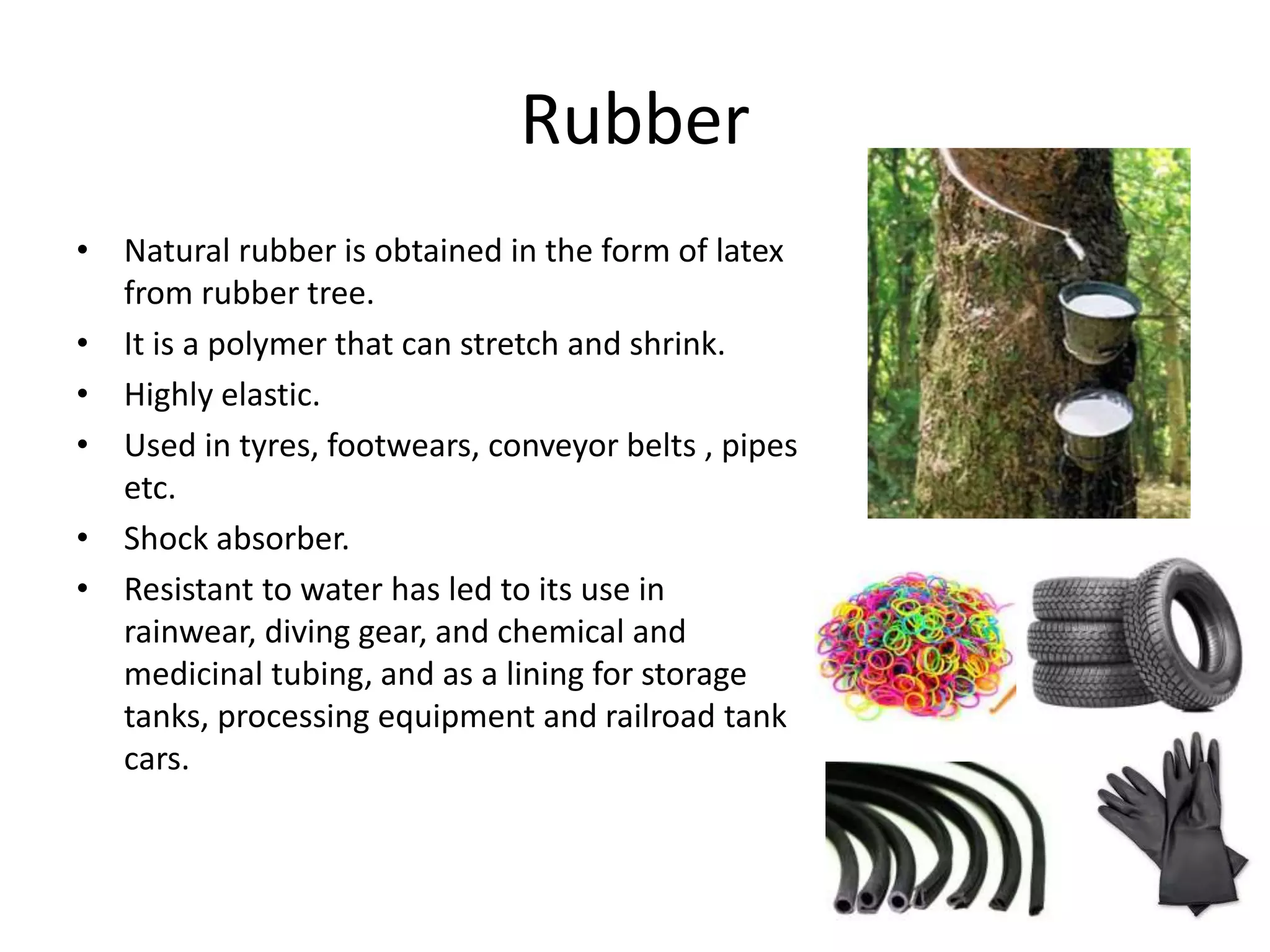
Let's start with the granddaddy of them all: natural rubber. This is the magnificent stuff that put rubber on the map, allowing us to erase pencil mistakes, seal jars, and send letters with a satisfying snap! And guess what? It absolutely, positively, unequivocally comes from latex. Not the kind of latex paint you use on your walls (though that has a different kind of latex, confusingly!), oh no! We're talking about a milky-white sap that oozes out of certain plants, most famously the magnificent Hevea brasiliensis tree, majestically known as the rubber tree. Imagine a tree chilling in the tropics, basically bleeding this magical, gooey white juice, which is then collected. That, my friends, is raw latex!
Must Read
"Think of it this way: all natural rubber begins its journey as latex sap, but not all latex sap necessarily becomes rubber. It's like flour and bread – flour is a crucial ingredient for bread, but you can also use flour for cakes, cookies, or even a super-messy flour fight! The raw latex is the flour, and natural rubber is the amazing bread."
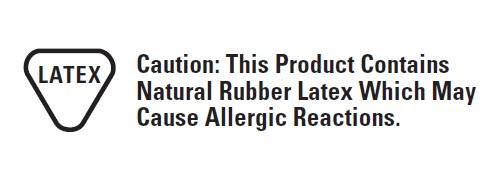
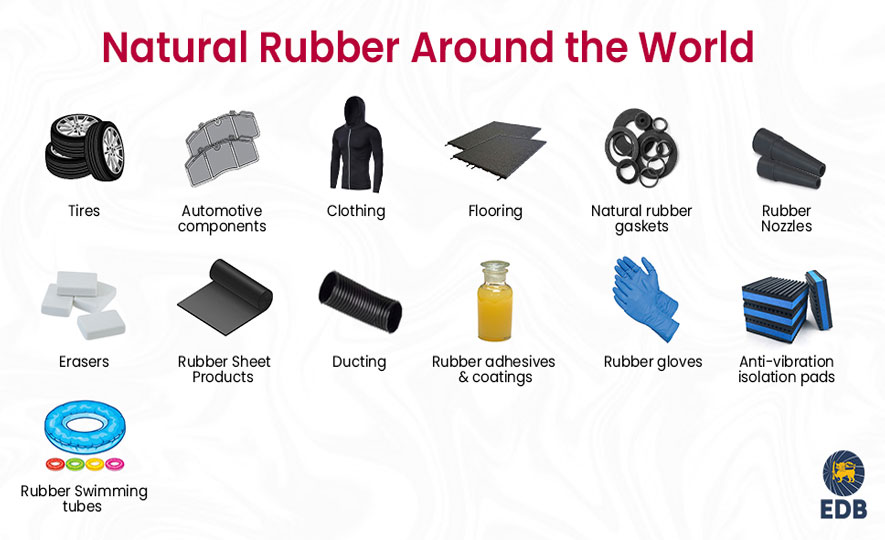
So, when you encounter a classic rubber band, those joy-filled balloons at a birthday bash, many types of medical gloves, or even some baby pacifiers, chances are you're looking at products made from natural rubber latex. This is exactly where the whole latex allergy topic enters the scene, because natural rubber contains specific proteins that can trigger reactions in sensitive individuals. It’s why you hear about “latex-free” products in places like hospitals – they’re specifically avoiding these natural rubber products to keep everyone safe and sneeze-free!
Enter the New Kid on the Block: Synthetic Rubber (No Latex Here!)
Now, let's swing over to the other side of the playground where the cool, clever, and supremely adaptable kids hang out: synthetic rubber! This is where things get truly fascinating and a little bit sci-fi. Unlike its leafy, tree-born cousin, synthetic rubber isn't tapped from a plant. Oh no, it's born in a bustling laboratory, meticulously conjured up by brilliant human minds from petroleum-based compounds. Think of it as the ultimate triumph of human ingenuity, creating rubber from scratch, tailored for specific jobs!
And here's the big, shiny reveal for synthetic rubber: it contains absolutely no natural latex. Zero. Zip. Zilch. Nada! It's like asking if a plastic chair has wood in it. Nope! Completely different ingredients, completely different manufacturing process, leading to a completely different type of rubber. So, if you're worried about latex allergies, synthetic rubber is generally your super-friendly, worry-free pal. It’s a fantastic alternative that keeps everyone happy and itch-free!
Products made from synthetic rubber are truly everywhere, quietly powering our modern world with astounding resilience. Your car tires (the vast majority of them!), the springy soles of your comfiest sneakers, those rugged garden hoses that bravely battle the elements, countless seals and gaskets in your appliances, handy mousepads, and even some of the super-bouncy balls that defy gravity – these are often champions of synthetic rubber. They're specifically designed for incredible durability, resistance to oil, heat, chemicals, and all sorts of demanding conditions that would make natural rubber blush, crack, and melt away.
So, What's the Big, Bouncy Takeaway?
It all boils down to the origin story! When you hear the word "rubber," it's kind of like a big, welcoming umbrella term. Underneath that awesome umbrella, you've got two main, distinct types:
- Natural Rubber: Yes, this superstar absolutely began its life as latex sap, flowing straight from a magnificent tree. So, if someone asks if natural rubber has latex in it, you can confidently say, "Why, yes, it certainly does – it’s its very essence!"
- Synthetic Rubber: Nope, not a single drop of natural latex in sight! This clever, custom-made creation is a marvel of chemistry, cooked up from petroleum-based goodies, not tree sap. So, if someone asks if synthetic rubber has latex in it, you can proudly declare, "Not a chance, my friend, it's a whole different ballgame!"
Next time you're tying a balloon or marveling at the sturdy, road-gripping tires on a monster truck, you'll know the secret. You'll be able to tell the fascinating tale of the tree-bleeding sap versus the lab-born marvel. It's a delightful story of two rubbers, both utterly amazing in their own unique ways, and now you, my friend, are an honorary expert in their captivating origins!
So go forth, armed with your newfound knowledge, and impress your friends with your rubber and latex wisdom. Who knew chemistry and botany could be so incredibly fun and… well, magnificently bouncy?