Does Red Light Therapy Kill Fungus
Let's face it, we all want that little boost, that secret weapon to feeling and looking our best. And in recent years, red light therapy has stepped into the spotlight, promising a wealth of benefits that sound almost too good to be true. From skincare fanatics chasing that youthful glow to athletes seeking faster muscle recovery, red light therapy is gaining traction for its potential to improve our everyday lives.
But what exactly is red light therapy, and why is it suddenly so popular? Simply put, it involves exposing your skin to low levels of red or near-infrared light. This light, unlike harmful UV rays, penetrates the skin and is absorbed by the mitochondria, the "powerhouses" of our cells. Think of it like giving your cells a little extra energy boost. This boost can then lead to a whole host of potential benefits, including reduced inflammation, improved collagen production (hello, smoother skin!), faster wound healing, and even pain relief. It’s like a supercharge for your body's natural repair mechanisms.
You've probably seen red light therapy cropping up in various forms. LED masks are a common at-home treatment, particularly popular for those targeting skincare concerns like wrinkles and acne. Larger panels are frequently used in professional settings like spas, salons, and even physical therapy clinics, offering a broader treatment area. Athletes are increasingly using red light therapy devices, often portable handheld units, to aid in muscle recovery after intense workouts. You might even find it incorporated into certain dental treatments. It's truly becoming integrated into various wellness practices.
Must Read
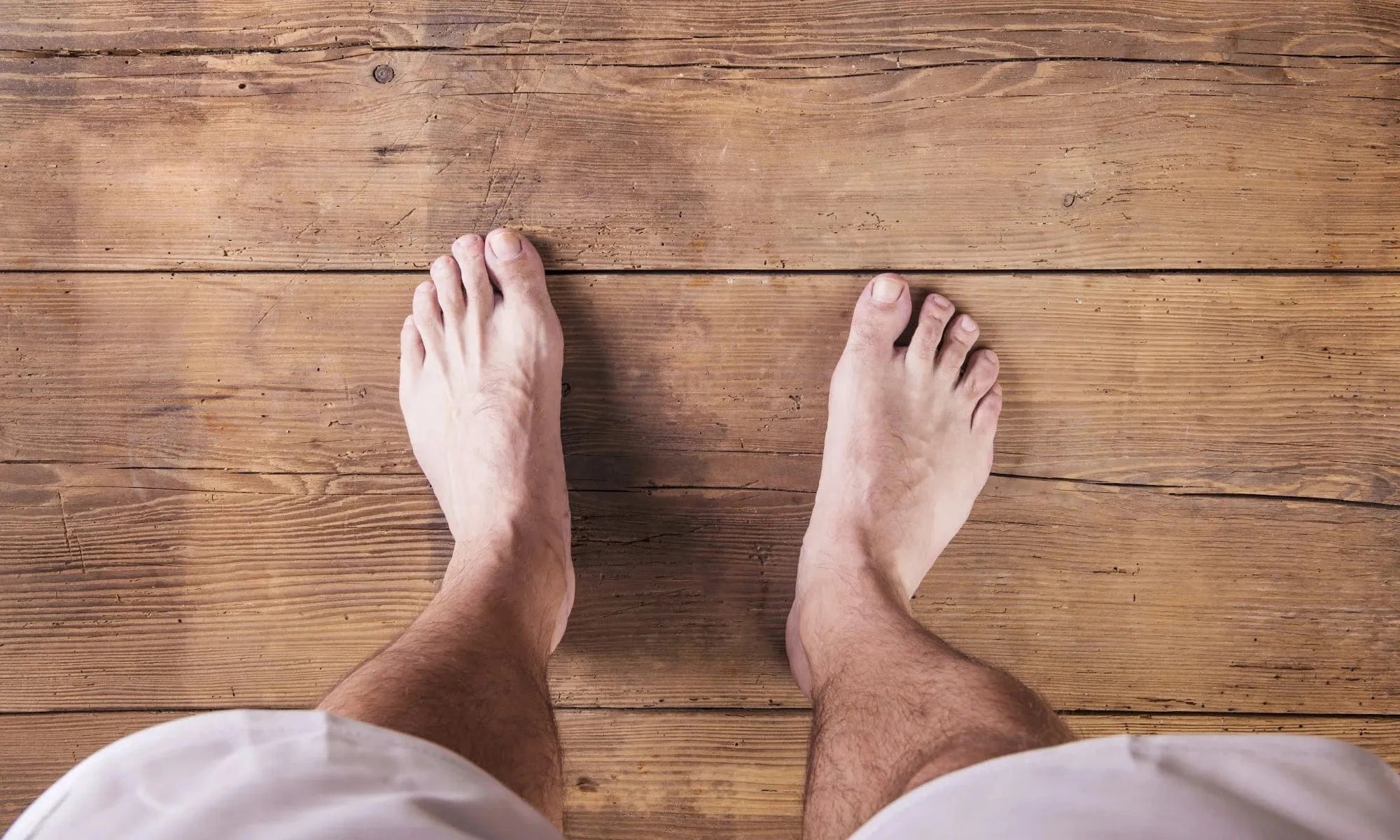
Now, let's address the burning question: Does red light therapy kill fungus? The short answer is... it's complicated. While red light therapy isn't a direct fungicide like an antifungal cream, it may offer some indirect benefits in managing fungal infections. Some research suggests that red light can stimulate the immune system and improve circulation, both of which can help the body fight off infections, including fungal ones. However, it's crucial to understand that it's not a substitute for conventional antifungal treatments prescribed by a doctor. Think of it as a potential supportive therapy, not a standalone cure.

So, if you're interested in exploring red light therapy, here are some practical tips to maximize its effectiveness: First, research reputable devices and brands. Not all devices are created equal, and you want to ensure you're using something safe and effective. Second, follow the manufacturer's instructions carefully. Overdoing it won't necessarily yield better results and could potentially cause skin sensitivity. Third, be consistent. Red light therapy often requires regular sessions over a period of weeks or months to see noticeable results. Finally, and most importantly, consult with a healthcare professional before starting red light therapy, especially if you have any underlying health conditions or are taking medications. They can help you determine if it's a suitable treatment option for your specific needs and concerns.
Ultimately, red light therapy offers a promising avenue for enhancing overall wellness, but it's important to approach it with realistic expectations and a healthy dose of skepticism. While it might not be a magic bullet, it can be a valuable tool in your arsenal for achieving a healthier and happier you. Remember to always prioritize evidence-based treatments and consult with professionals for personalized guidance.