
Does Natural Gas Have Odor
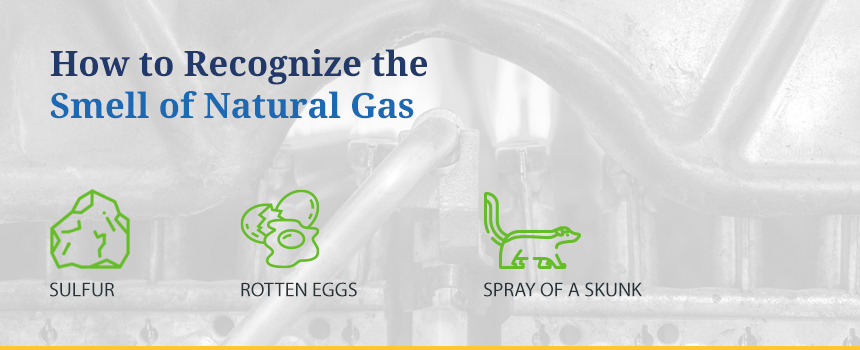
Ever caught a whiff of something… distinctly funky? That unmistakable "rotten egg" smell that sends a little shiver down your spine? You know the one – it screams "gas leak!" It’s a scent that immediately puts us on alert, a primal signal that something isn't quite right in our cozy abodes.
But here’s a little secret that might surprise you: natural gas itself is actually odorless. Yep, you read that right. The very stuff that powers your stove, warms your home, and heats your water is, in its purest form, completely scent-free. Mind-blowing, right?
The Unsung Hero: Mercaptan
So, what's with the stink? Enter our unsung hero, the intentional stench-maker: mercaptan. Specifically, a compound called tert-Butylmercaptan (TBM) or ethyl mercaptan. Utility companies add this highly pungent chemical to natural gas before it ever reaches your home.
Must Read
Think of it as a friendly, albeit smelly, guardian angel. Mercaptan is a harmless additive, but its smell is anything but. It's often described as smelling like sulfur, rotten eggs, or even boiled cabbage. And it's designed to be detectable by the human nose even in tiny concentrations, ensuring that if there’s a leak, you’ll know about it long before it becomes a serious hazard.
This brilliant, stinky solution isn't just a modern innovation. Its widespread adoption was spurred by tragic events, like the 1937 New London School explosion in Texas, which killed hundreds because an odorless gas leak went undetected. That incident profoundly changed safety regulations, making the addition of odorants a non-negotiable safety standard.

Your Nose Knows: What To Do If You Smell Gas
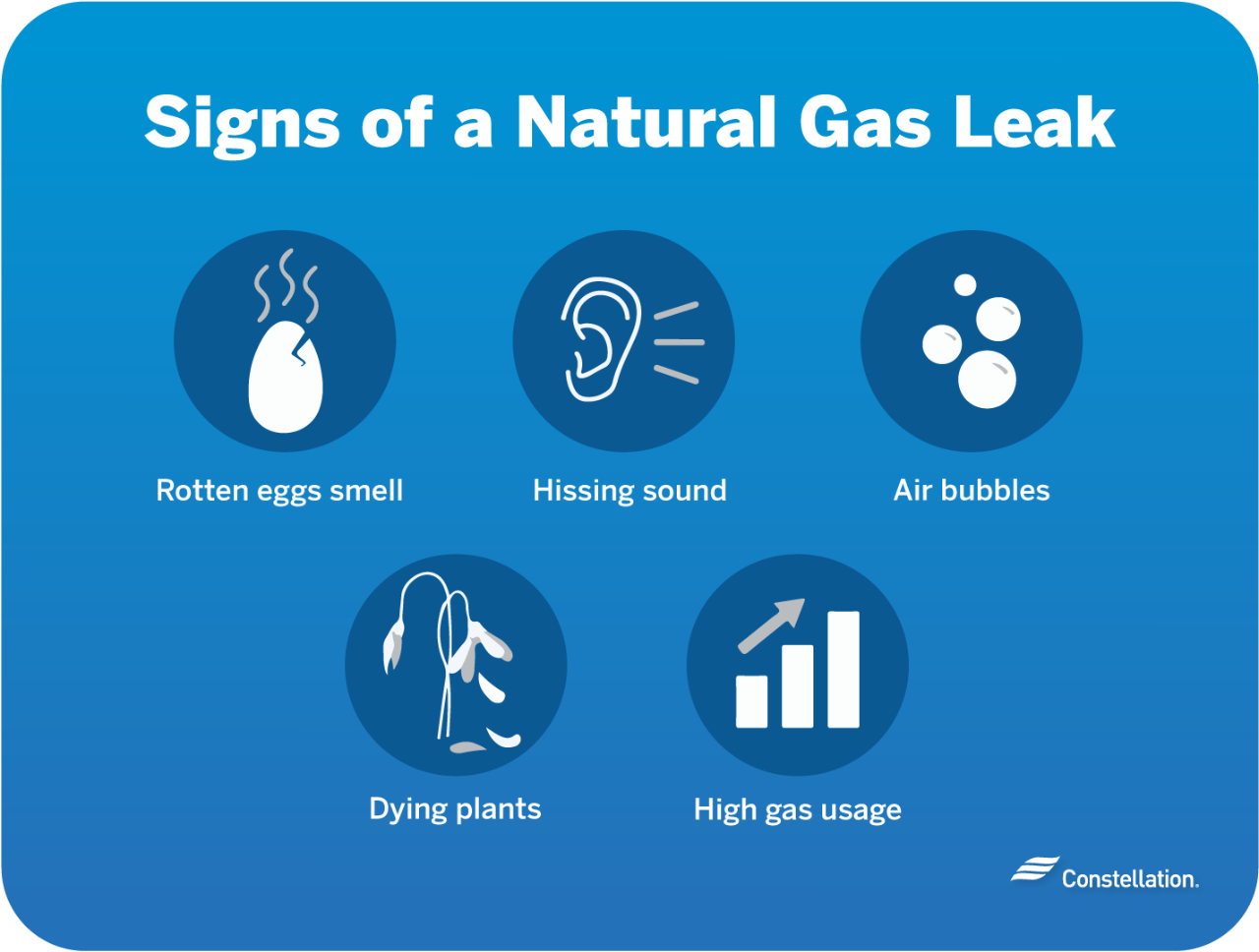
This intentional pong is a lifesaver, serving as an early warning system. So, if you ever smell that distinctive "gas" odor in or around your home, consider it an immediate call to action. Safety first, always!
- Don't panic. But do act quickly.
- Don't light a match, a candle, or anything that creates a flame.
- Don't flip a light switch, turn on an appliance, or use any electrical device. Even a tiny spark could be dangerous.
- Don't use your phone inside the house.
- Open windows and doors if it's safe and quick to do so, to ventilate the area.
- Get everyone out of the house immediately.
- Once you're a safe distance away, call your gas company's emergency line or 911 from a neighbor's phone or your cell phone.
Remember, the gas company has specialized equipment to detect and locate leaks, and their technicians are trained to handle these situations safely. Your job is to alert them and keep yourself and others out of harm's way.
Beyond Natural Gas: A Quick Note on Carbon Monoxide
While we're talking about gas safety, it's super important to differentiate natural gas from carbon monoxide. Natural gas (with its added smell) is what fuels your furnace and stove. Carbon monoxide (CO) is a by-product of incomplete combustion from various fuel-burning appliances.
And here's the crucial difference: carbon monoxide has no smell, no taste, and no color. It's truly a silent killer. This is why having working carbon monoxide detectors on every level of your home, especially near sleeping areas, is just as vital as having smoke detectors. They detect what your nose cannot, providing essential early warnings for a completely different kind of danger.

Peace of Mind, One Whiff at a Time
Life is full of little mysteries, and sometimes, the answers are literally under our noses. Understanding why natural gas smells isn't just about trivia; it's about being an informed, proactive homeowner. It’s about appreciating the clever, yet simple, ways that everyday safety is engineered into our lives.
So, the next time you catch a phantom whiff, or even just think about your gas appliances, take a moment to appreciate that pungent guardian. It’s a quirky reminder that sometimes, a little funk goes a long way in keeping our homes happy, healthy, and safe. It's all part of the beautiful, sometimes stinky, tapestry of modern living.
