
Does My Honeywell Thermostat Have Batteries

Okay, picture this: it’s the dead of winter, outside looks like a scene from Narnia, and you’re snuggled up on the couch, convinced you’re living your best hygge life. Suddenly, a shiver runs down your spine that has nothing to do with the plot twist in your Netflix show. You glance at your Honeywell thermostat, and it’s… blank. Or maybe it’s showing a weird, faint symbol you’ve never seen before. Panic, even if it’s just a tiny, internal squeak, starts to set in. Is the furnace dead? Did the grid collapse? Or, the ultimate question that pops into your head like a frantic little meep: Does this thing even have batteries?
Yep, that’s a real scenario, isn't it? We’ve all been there, staring blankly at our equally blank thermostats, wondering if the solution is as simple as a couple of AAAs or if we need to call in a wizard. And when it comes to Honeywell, that question, "Does my Honeywell thermostat have batteries?", isn’t always a straightforward yes or no. It’s like asking if all cars run on gas. (Spoiler: some are electric now, right? Technology, eh?)
The Big Question: Batteries or Not?
So, let's cut to the chase, because I know you're probably just waiting for the answer so you can either grab a screwdriver or resign yourself to a night under three duvets. The truth is, it depends on which Honeywell thermostat you have. Annoying, I know. But stick with me!
Must Read
You see, Honeywell has been making thermostats for ages – from the really old, simple ones that look like they belong in a vintage movie, to the super-smart, Wi-Fi-connected gizmos that practically run your life. And their power sources vary just as much.
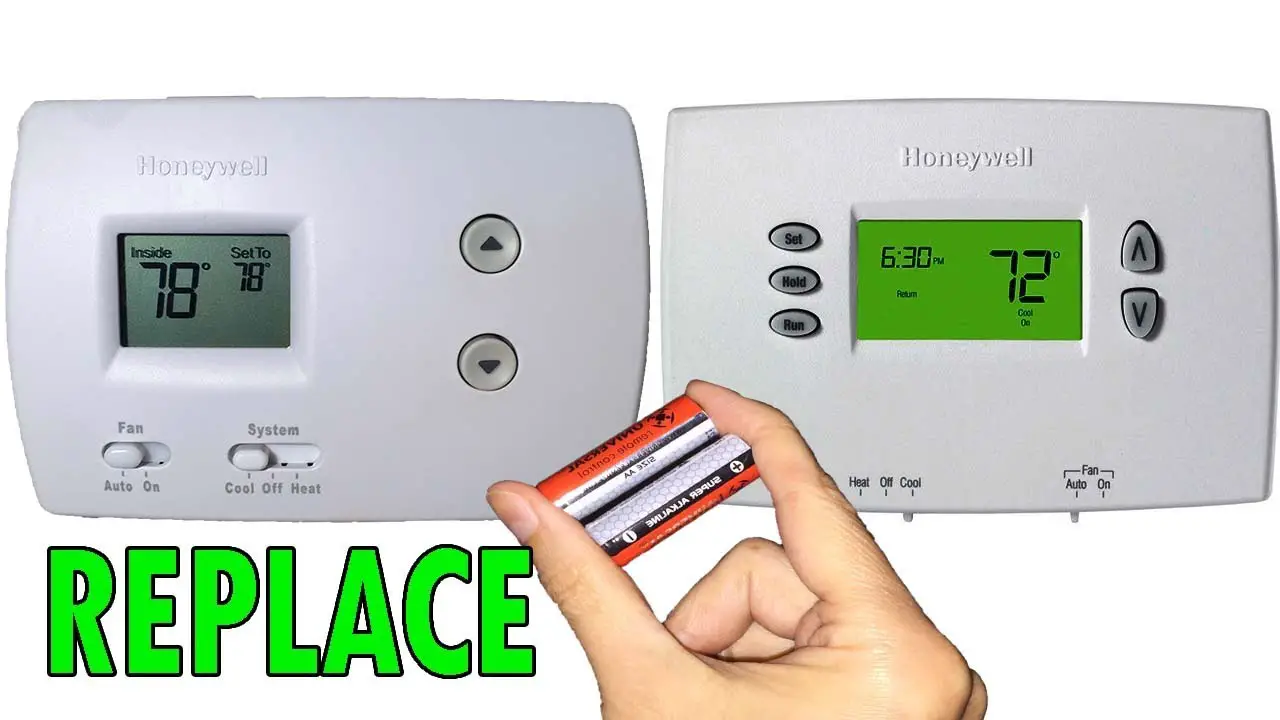
1. The Fully Battery-Powered Models: These are often your older, simpler Honeywell models. They don't have fancy C-wires (which we'll get to in a sec) to draw constant power from your furnace or AC unit. So, they rely entirely on batteries – usually AA or AAA. If you have one of these, you’ll likely find a small compartment you can pop open to reveal the battery slots. When these batteries die, your thermostat goes completely dark and unresponsive. No power, no heat (or cool)!
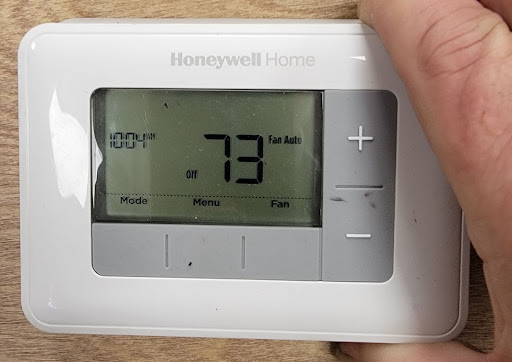
2. C-Wire Powered with Battery Backup: Ah, now we're getting into the more modern territory. Many contemporary and smart Honeywell thermostats (think your Lyric, T-Series, or Wi-Fi models) get their primary power from a "C-wire" (common wire). This little wire connects directly to your HVAC system and provides a continuous, low-voltage power supply. It’s the lifeline that keeps your smart features humming, your screen lit up, and your Wi-Fi connected.
But wait, if it’s getting power from the C-wire, why would it have batteries? Good question! These batteries typically serve as a backup power source. They might power the display if your C-wire connection gets interrupted, or they might just maintain the clock and program settings during a power outage. Think of them like the small emergency battery in your laptop – not for main power, but for graceful shutdowns or to keep the internal clock ticking. So, if your C-wire thermostat screen goes dim or you get a low battery alert, it means it's running on backup and you should change those batteries soon!
3. C-Wire Powered, No Batteries at All: This is less common for Honeywell, but some high-end smart thermostats (from various brands) rely solely on the C-wire for power and don't include any battery backup. If the power goes out or the C-wire disconnects, these models are completely dead until power is restored. But generally, Honeywell tends to include some form of battery backup for memory or the occasional power glitch.
So, How Do You Find Out for YOUR Thermostat?
Alright, enough general chit-chat. Let's figure out what's happening with your specific Honeywell. Here’s your detective checklist:
-
Look for a Battery Compartment: This is usually the easiest tell. Many battery-powered Honeywell thermostats have a visible compartment, sometimes on the side, sometimes a pull-out tray on the bottom, or even requiring you to gently pull the front cover off. Look for arrows or little latches. If you find one, congratulations, you've likely got a battery-powered or battery-backup model!

Does Honeywell Thermostat Have Batteries? Discover the Truth -
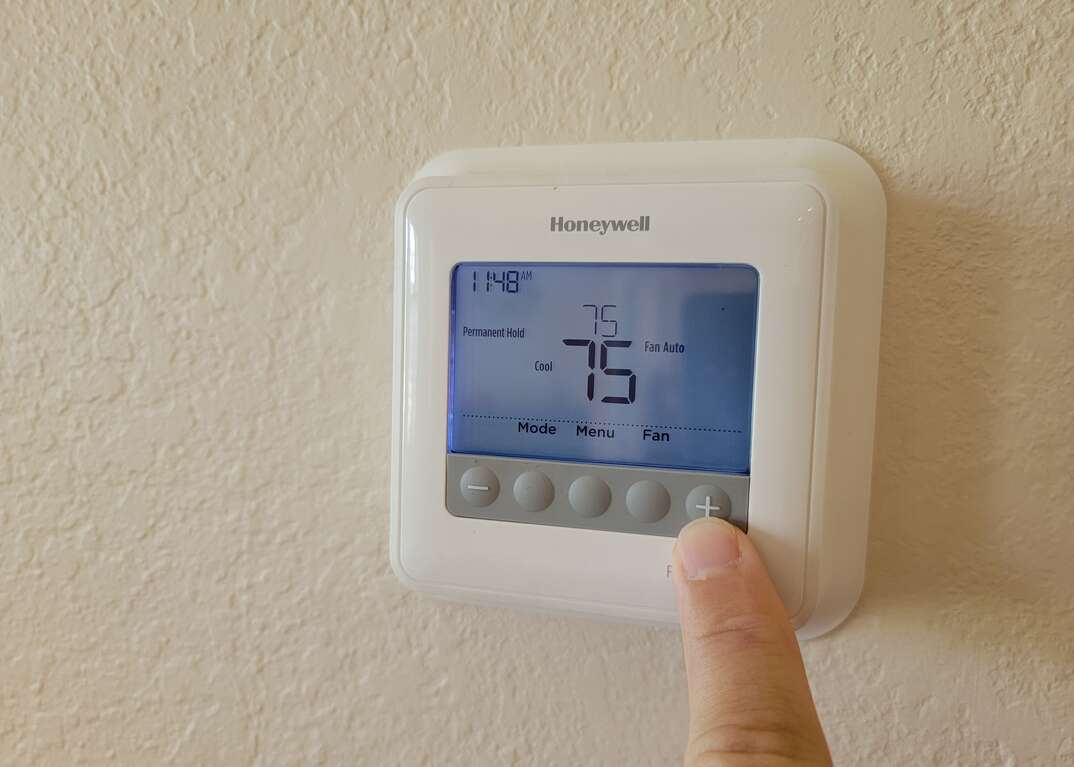
Check the Display for a Battery Icon: Many Honeywell thermostats, especially the C-wire powered ones with backup batteries, will display a small battery icon on the screen when the batteries are low. It’s usually subtle, but it's there, silently (or not so silently, if it’s flashing) telling you it’s time for a change.
-
Consult the Manual (Yes, Really!): Remember that dusty old booklet you probably shoved in a drawer when the HVAC guy left? Now’s its time to shine! The manual will explicitly state the power requirements for your specific model. It’s honestly the best source of info. Can't find it? Google your thermostat's model number (usually found on the back of the faceplate) + "manual."
Does Honeywell Thermostat Have Batteries? Discover the Truth -
Check Honeywell's Website: If all else fails, pop your model number into the search bar on the Honeywell Home website. They usually have detailed product pages that will tell you exactly how your unit is powered.
Why Does Any of This Matter, Anyway?
Knowing whether your Honeywell thermostat has batteries, and what role they play, is super important for a couple of reasons. First, it empowers you to troubleshoot basic issues. Is the screen blank? Check the batteries first! Don't jump straight to thinking your furnace is toast. Second, if your thermostat does use batteries, knowing about them reminds you to change them regularly – typically once a year, or as soon as you see a low-battery indicator. It’s like changing the batteries in your smoke detector; small effort, big peace of mind.
So, next time your Honeywell acts a little flaky, you won’t just be staring at it blankly (like it’s staring at you!). You’ll have a pretty good idea of whether those humble little batteries are the unsung heroes of your home comfort, or if your C-wire is the real MVP. Stay warm (or cool!), folks!