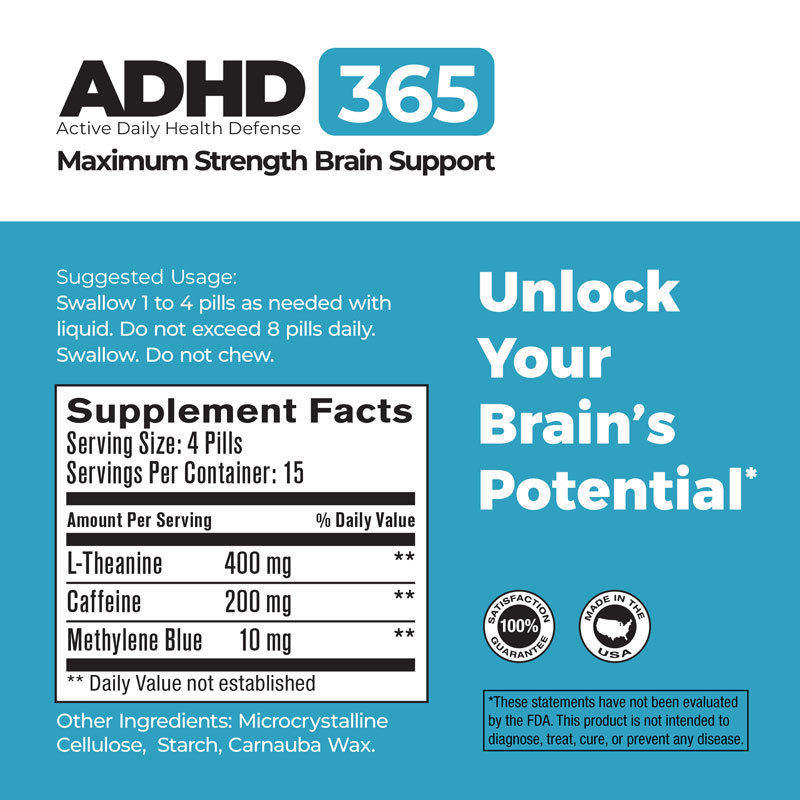
Does Methylene Blue Help With Adhd

Okay, let’s talk about something that might sound like it belongs in a sci-fi movie, but is actually being whispered about in some corners of the ADHD community: Methylene Blue. Now, before your eyes glaze over, hear me out! This isn’t some weird, experimental drug. It’s been around for ages, used for things like dyeing fabric and treating fish tank infections. But recently, people are starting to wonder if it could potentially help with ADHD symptoms. Intrigued? Let’s dive in!
Imagine your brain is like a bustling city. For those with ADHD, sometimes that city feels a little… chaotic. Traffic lights are malfunctioning, streets are poorly marked, and everyone's honking their horns. It’s hard to focus and get things done when your brain city is in disarray.
Now, picture Methylene Blue as a tiny, efficient traffic controller, calmly directing the flow of information and making sure everything runs a little smoother. That's the idea, anyway. But what’s the actual science behind it?
Must Read
The Brainy Breakdown (in Plain English)
Methylene Blue, or MB for short, is a mitochondrial enhancer. What does that even mean? Well, mitochondria are like the power plants of your cells. They take in fuel and convert it into energy that your cells can use. And that includes your brain cells! For the brain to work optimally, the mitochondria needs to be functioning well.
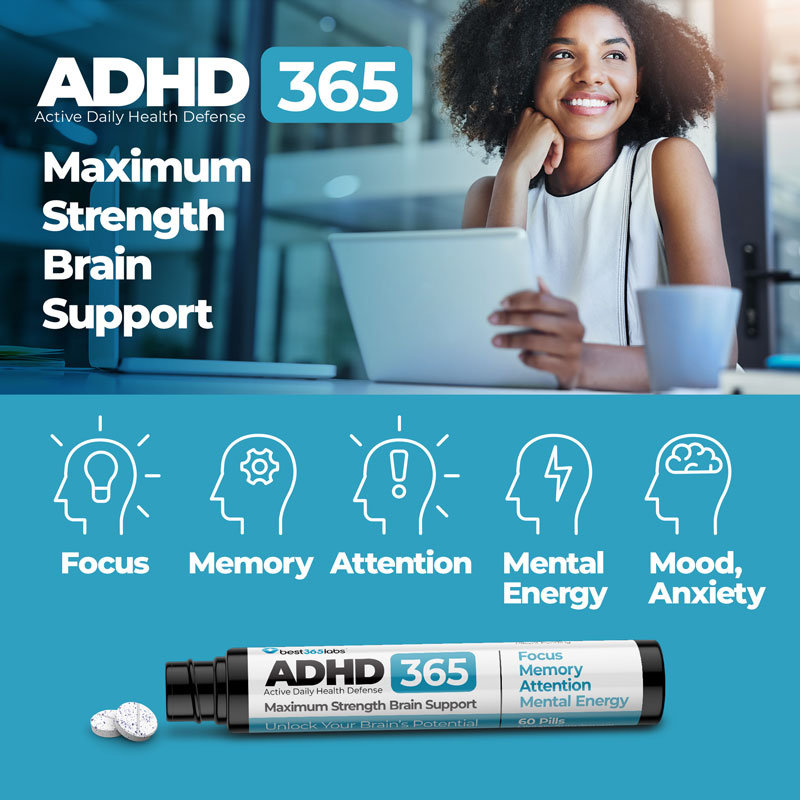
MB essentially gives your brain’s power plants a boost. Think of it like upgrading your car’s engine for better performance. Some believe this can lead to improved cognitive function, like better focus, memory, and processing speed. All things that people with ADHD often struggle with.

So, how does this relate to ADHD? Well, some theories suggest that mitochondrial dysfunction might play a role in ADHD. By improving mitochondrial function, MB could potentially alleviate some symptoms. However, it’s crucial to understand this is still an emerging area of research.
Why Should You Care?
Let's be honest. For many people with ADHD, the daily struggle is real. It's forgetting where you put your keys (again!), getting distracted halfway through a task, or feeling overwhelmed by the sheer number of things you need to do. Traditional ADHD medications can be helpful, but they don't work for everyone and often come with side effects. That's why people are constantly searching for alternative or complementary approaches.
MB offers a potential new angle. It’s not a miracle cure, and it's not a replacement for established treatments like medication or therapy. But the possibility of improving focus and cognitive function with something that’s relatively well-tolerated (at low doses) is definitely worth exploring – carefully and under the guidance of a healthcare professional, of course.
The Caveats (aka The Important Stuff)
Okay, let’s pump the brakes a little. While the potential benefits of MB are intriguing, there are some very important things to keep in mind:
- Research is limited: Most studies on MB and cognitive function are small and haven't specifically focused on ADHD. We need much more research to understand the true effects.
- Dosage Matters: Methylene Blue can be toxic at high doses. You should never self-medicate with MB. A doctor needs to determine the appropriate dosage, if any, for your specific situation.
- Drug Interactions: MB can interact with other medications, particularly SSRIs and MAOIs (types of antidepressants). This is a serious concern and must be discussed with your doctor.
- Not a Replacement: MB is not a substitute for traditional ADHD treatments like medication and therapy. It's potentially a supplementary approach that needs more research.
Think of it this way: if you're baking a cake (your brain functioning well), MB might be a new type of frosting you're experimenting with. It could make the cake even better, but you wouldn't throw away the entire cake recipe (established treatments) just for the frosting! You need the cake (the foundation) first.

So, What's the Verdict?
Methylene Blue for ADHD is still very much in the early stages of exploration. There's potential, but there's also a lot we don't know. If you're curious about MB, the most important thing you can do is talk to your doctor. They can assess your individual situation, discuss the potential risks and benefits, and help you make an informed decision. Don’t go ordering it online and experimenting on yourself! That's a recipe for trouble.
Ultimately, managing ADHD is a journey. It's about finding what works best for you, whether that's medication, therapy, lifestyle changes, or maybe, someday, even a little help from Methylene Blue. But always, always prioritize safety and consult with a healthcare professional.
Who knows, maybe one day Methylene Blue will become a common tool in the ADHD toolbox. But for now, it's something to watch, research, and discuss with your doctor, not something to rush into headfirst. Now, if you'll excuse me, I have some keys to find…