
Does Methane Have A Smell
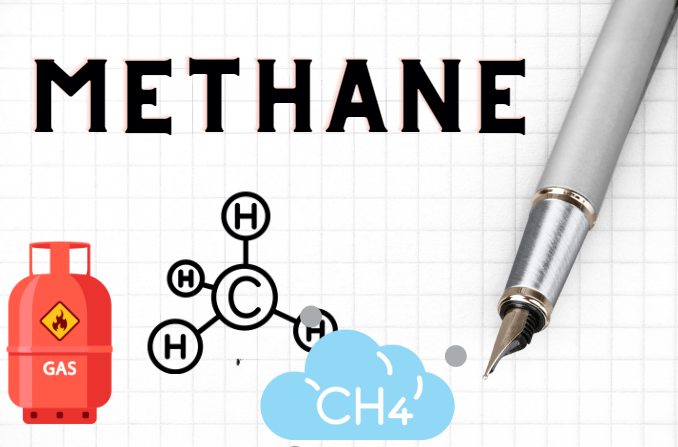
Ever wondered if that gas from your stove or the one that comes from, well, other places, really has a smell? It's a fun question, right?
You might think you know the answer. That distinct, sometimes stinky, odor is pretty hard to miss.
But let's dive into the surprising truth about methane. It's a gas that's all around us, often without us even realizing it.
Must Read
The Mystery of Methane's Scent
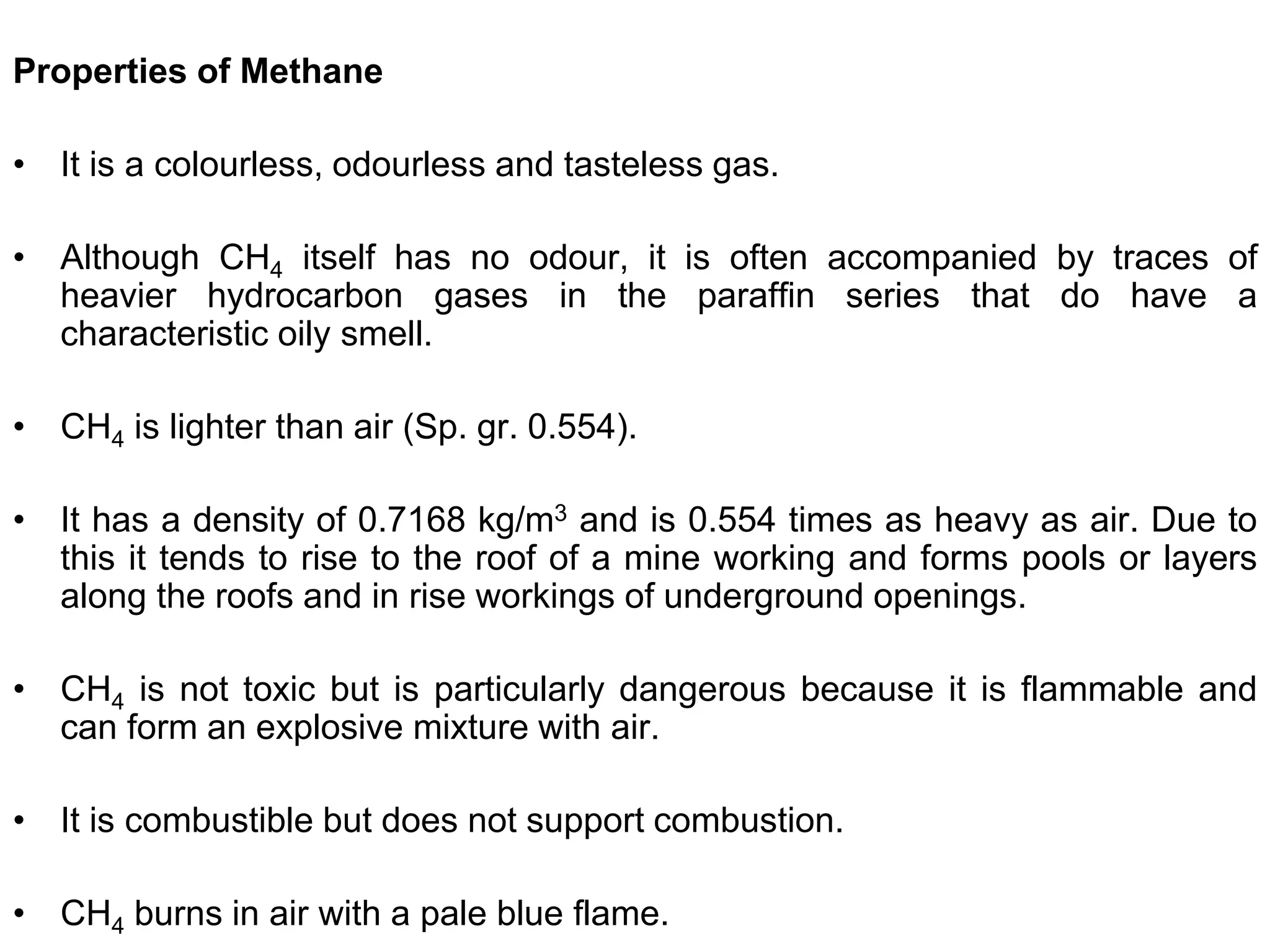
Here's a little secret that might blow your mind: pure methane actually has no smell at all!
That's right, zero, zilch, nada. It's a completely odorless gas.
So, if methane itself doesn't smell, what in the world are we sniffing when we smell "gas"?
The Real Stink Stars: Odorants to the Rescue!
The smell you associate with natural gas is actually a clever trick. It's an added ingredient, a special perfume if you will.
This added ingredient is called a mercaptan, or sometimes an odorant.
One of the most common ones is ethyl mercaptan. It's specifically chosen for its incredibly strong and distinctive smell.
Imagine pure methane as a quiet, invisible ninja. It's there, but you'd never know it until it caused trouble.
The odorant is like a loud, brightly colored alarm attached to that ninja. You know it's there instantly!
This smelly addition is a brilliant safety measure. Without it, a gas leak would be completely undetectable by our noses.
Can you imagine the danger of an invisible, odorless gas filling your home? It's a truly scary thought.

Why the Stink is So Special
Think about natural gas, the stuff that heats your home or cooks your dinner. It's mostly methane.
This gas is highly flammable. A leak could quickly lead to a fire or even an explosion.
That's why gas companies deliberately add the awful smell. They want you to know immediately if there's a problem.
The smell is often described as resembling rotten eggs, sulfur, or even cabbage.
It's not a pleasant scent, and that's exactly the point. It's designed to be unforgettable and alarming.
Even a tiny amount of this odorant can be detected by the human nose. Our sniffers are truly amazing!
Where Does Methane Come From?
Methane isn't just in your gas lines. It's actually one of the most common gases on Earth.
It's a natural byproduct of many processes. For example, when organic matter decomposes without oxygen.
Think about swamps, landfills, and even the digestive systems of certain animals. They all produce methane.
Yes, those famous cow burps and farts? They release a lot of methane into the atmosphere.

These animals are like little methane factories, especially those with multiple stomachs.
It's a totally natural process, even if it does contribute to greenhouse gases.
And what about human farts? Do they contain methane?
Sometimes! But the truly stinky part of human flatulence usually comes from other sulfur-containing compounds.
So, while some methane might be present, it's not the main reason for the smell you're familiar with!
The History of Scented Gas
It wasn't always standard practice to add a smell to natural gas. This safety measure came about after some tragic events.
One of the most well-known incidents was the 1937 New London School explosion in Texas.
A natural gas leak went undetected because the gas was odorless, leading to a catastrophic explosion.
This terrible event caused the deaths of nearly 300 students and teachers.
It was a heartbreaking reminder of the dangers of invisible, odorless gas.
After that, laws and regulations were put in place. Adding a powerful odorant became mandatory for commercial natural gas.
This change has saved countless lives over the decades, making gas use much safer.
So, What Should You Do if You Smell Gas?
If you ever catch that distinct rotten-egg smell, don't ignore it! It's your nose telling you to act.
The first thing to do is to get everyone out of the building immediately. Safety first, always.
Do not use light switches, phones, or anything that could create a spark. Even a small spark could ignite leaking gas.
Once you are safely outside, far away from the building, call your gas company or the emergency services.
They have trained professionals who can investigate the source of the leak and make things safe again.
That unpleasant smell is your friend, a vital warning system designed to protect you and your loved ones.
The Invisible Power of Methane
Beyond its lack of smell, methane is an incredibly interesting molecule.
It's the simplest hydrocarbon and a major component of natural gas.
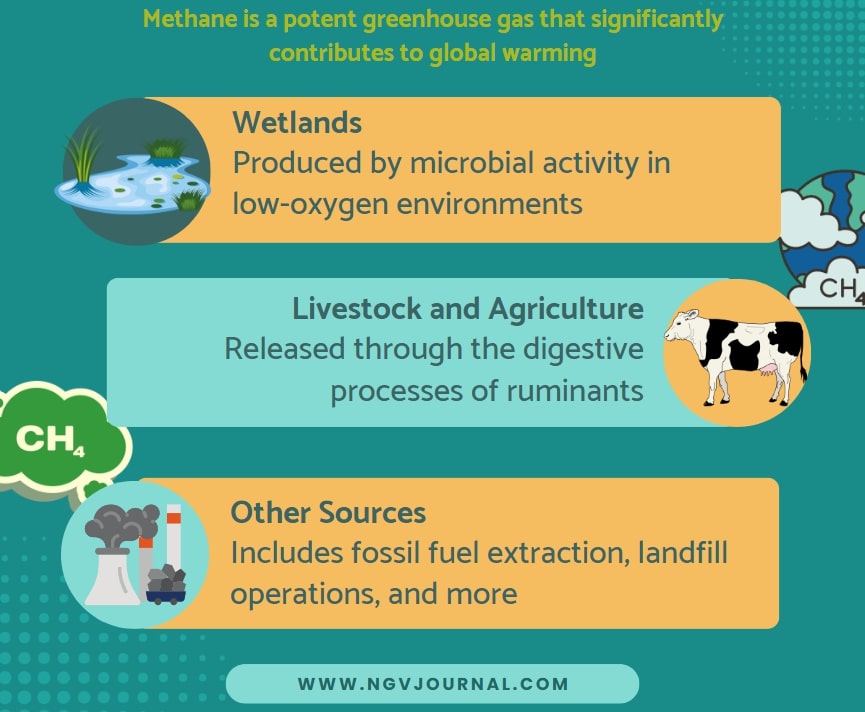
It's also a potent greenhouse gas, much more effective at trapping heat than carbon dioxide over a shorter period.
Scientists are always studying methane. They want to understand its role in our atmosphere better.
They also look for ways to capture and use it efficiently, or prevent its release when possible.
From deep within the Earth to the atmosphere above, methane plays a huge part in our world.
The next time you turn on your stove or hear about cows and their contributions to the environment, think about methane.
Remember that the smell you associate with "gas" isn't actually the gas itself.
It's a brilliant, stinky guardian, purposefully added to keep us safe and alert.
So, does methane have a smell? The answer is a resounding no, but thank goodness for the things we add to it!
It's a great reminder that sometimes, the things that smell the worst are actually looking out for us.
Stay curious, and keep those amazing noses working!