
Does Magnesium Get Rid Of Skin Tags
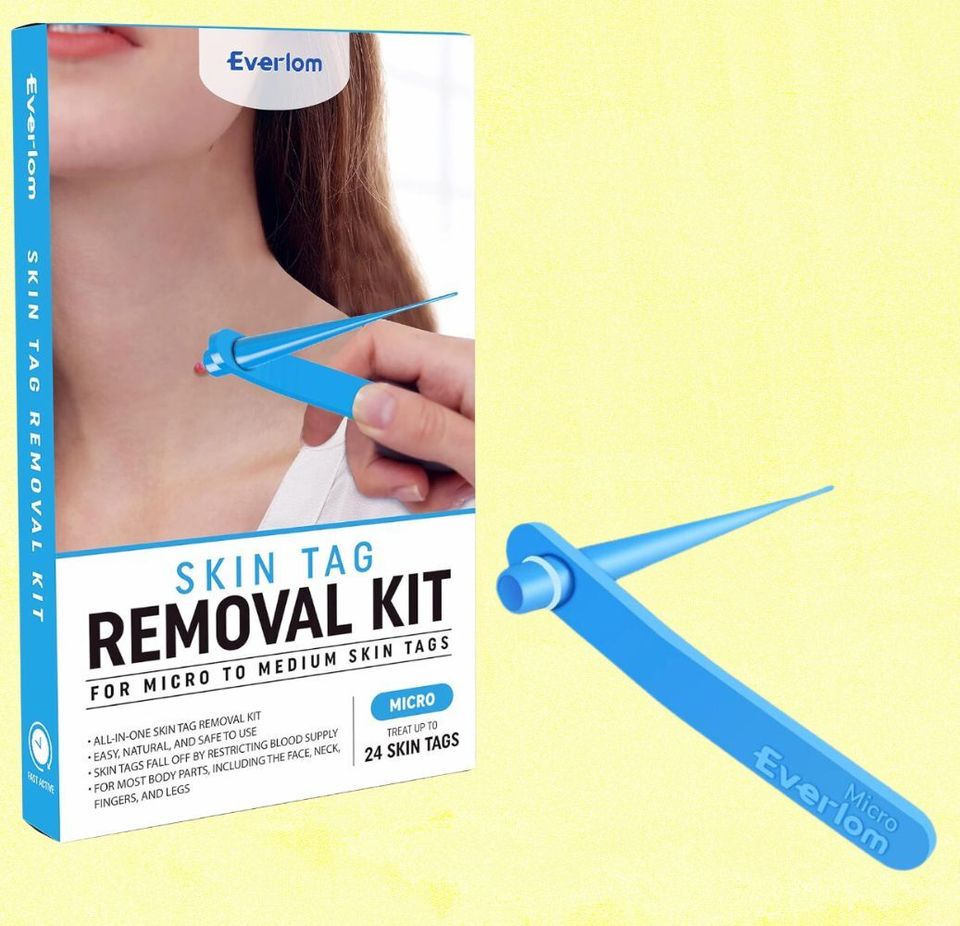
Okay, let's talk skin tags. Those little dangly bits that appear seemingly out of nowhere. They're like the uninvited guests at the party of your skin – you didn’t ask them to come, but there they are, clinging on for dear life. And you're probably wondering, like everyone else who's ever sported one: "How do I get rid of these things?!" So, can magnesium wave a magic wand and banish these tiny trolls from your epidermis? Let's dive in with the grace of a swan (hopefully not a grumpy one).
Magnesium: The Mighty Mineral
Magnesium is a mineral crucial for about a billion things in your body – okay, maybe not a billion, but it's a LOT! It's involved in muscle function, nerve function, blood sugar control, and blood pressure regulation. Think of it as the quiet, unassuming stage manager behind the scenes of your body's rock concert. Without it, things would go haywire faster than a toddler with a permanent marker.
Now, magnesium comes in many forms. You've got your magnesium oxide, citrate, glycinate… it's like a whole alphabet soup of mineral goodness. You can ingest it through supplements, slather it on in lotions, or soak it up in Epsom salt baths. But does any of this magic translate to getting rid of those pesky skin tags?
Must Read
Skin Tags: The "Why Are You Even Here?" Bumps
First, a quick skin tag 101. These little skin growths are generally harmless. They're usually found in areas where skin rubs together, like your neck, armpits, groin, or eyelids. They're like the clingy friend who always wants a hug, except, well, they're attached to your skin. The exact cause isn't always crystal clear, but friction, genetics, and insulin resistance can play a role. So, they're not contagious, and they're typically just a cosmetic nuisance.
Imagine finding a tiny, perfectly formed sock puppet hanging off your neck. That's… unsettling. And that's kinda how many people feel about skin tags.

The Magnesium-Skin Tag Connection: Hopes and Dreams?
Here's the thing: There's no direct scientific evidence to suggest that magnesium directly gets rid of skin tags. Bummer, right? I know, I know, you were probably hoping for a miracle cure you could find in your vitamin cabinet. However, magnesium might play an indirect role in the grand scheme of things.
For instance, insulin resistance is sometimes linked to skin tags. Magnesium helps regulate blood sugar and improve insulin sensitivity. So, if your skin tags are related to insulin resistance, upping your magnesium intake might help improve the underlying issue. Think of it like fixing a leaky faucet to prevent water damage to the floor – you're not attacking the floor directly, but you're addressing the root cause.
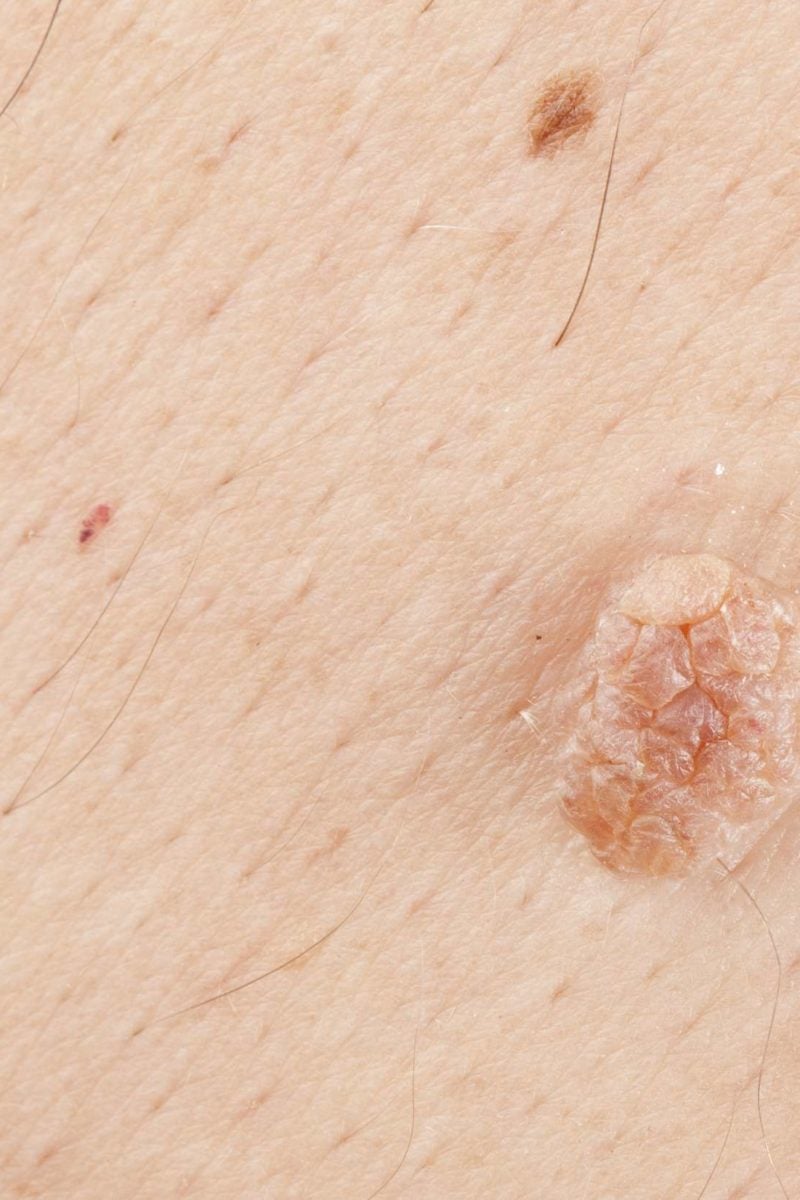
Plus, some people swear by using magnesium oil or Epsom salt soaks, believing it helps soften the skin tags or reduce inflammation. While these things might offer temporary relief or make the skin tag slightly less noticeable, they're unlikely to make it vanish into thin air like a magician's rabbit.
So, What's a Skin-Tag-Suffering Soul to Do?
If you're serious about getting rid of those little skin tag freeloaders, your best bet is to consult a dermatologist. They can remove them safely and effectively through methods like cryotherapy (freezing them off), surgical excision (snipping them off), or electrocautery (burning them off). It sounds a bit medieval, but trust me, it's usually quick and relatively painless. It's like scheduling a tiny eviction notice for those unwanted tenants.
In the meantime, making sure you are getting adequate magnesium intake is important for your overall health. Talk to your doctor about whether magnesium supplements are right for you. Keep a balanced diet, manage your blood sugar, and embrace the occasional Epsom salt bath for some good old-fashioned relaxation.
While magnesium might not be the express train to skin tag removal, it's still a vital mineral that plays a role in a healthy body. And a healthy body is always a good thing, even if it does occasionally sprout a tiny sock puppet or two. Just think of them as your skin's quirky little accessories… or get them snipped off. The choice is yours!
