
Does Leaving A Fan On Waste Electricity
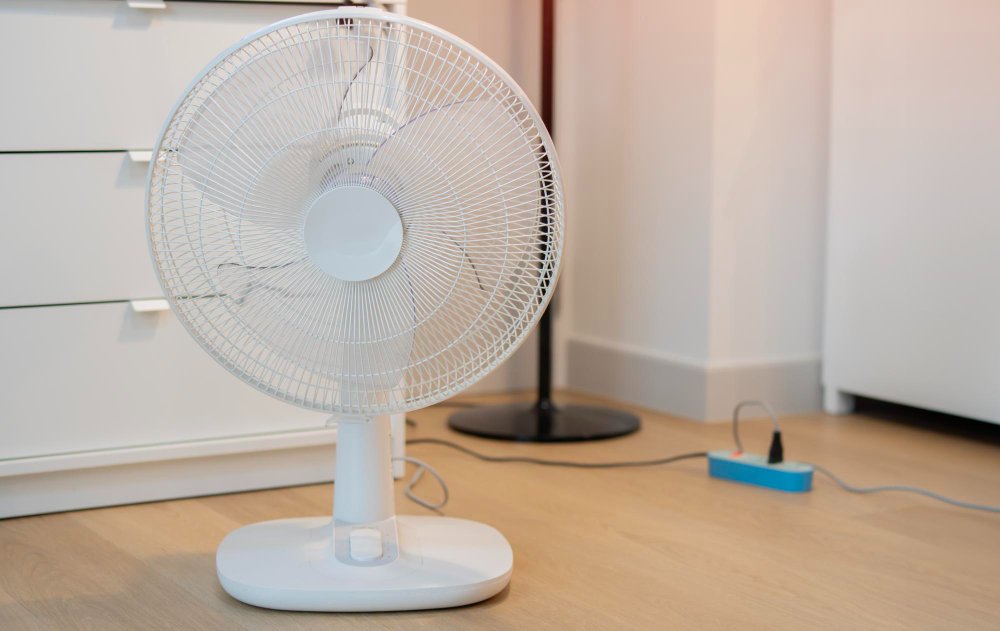
Ever found yourself debating whether to switch off that fan before leaving a room? You're not alone! It's a question that pops up in households everywhere, especially when energy bills are on our minds. Thinking about electricity usage might not seem like the most exciting topic, but understanding how our appliances work can save us money and even help the environment. Plus, who doesn't love a good money-saving tip?
So, does leaving a fan on when you're not in the room waste electricity? The simple answer is: yes, but it's more nuanced than you might think. Let's break it down for different folks.
For beginners just getting started with energy saving, the key thing to remember is that a fan doesn't actually cool a room. It cools you. It works by creating a breeze that evaporates sweat from your skin, making you feel cooler. If no one's in the room to benefit from this breeze, the fan is simply churning air and using electricity for no purpose.
Must Read
For families, especially those with kids who might forget to switch things off, it’s a good habit to establish a "fan-off" rule when leaving a room. Think of it like turning off the lights. It might seem insignificant at first, but the savings add up over time. Consider using smart plugs with timers for fans in kids' rooms to automatically switch them off after a set period, preventing accidental waste.
For the hobbyist, the fun lies in quantifying the savings! You can use a device like a Kill A Watt meter to measure the actual electricity consumption of your fan. You'll find that fans, especially smaller ones, use relatively little electricity compared to, say, an air conditioner. However, running a fan 24/7 when it's not needed still adds up. Experiment with different fan speeds and measure the corresponding energy usage. You might be surprised!
There are several variations to consider. Ceiling fans, for example, are often thought to be more energy-efficient because they circulate air throughout the room more effectively. However, the same principle applies: if no one is there to feel the breeze, it's still wasted energy. Another variation is comparing different types of fans. A small personal fan will use considerably less electricity than a large box fan.

Here are some simple, practical tips to get started:
- Get into the habit: Make it a conscious effort to switch off the fan when you leave a room.
- Use a timer: Set a timer for the fan to automatically switch off after a certain period, especially at night.
- Choose the right fan: Opt for a smaller, more energy-efficient fan if you only need it for personal cooling.
- Combine with AC: Use fans in conjunction with air conditioning. Fans can help circulate the cool air, allowing you to set the AC a few degrees higher and save energy.
Ultimately, understanding how your appliances work empowers you to make informed decisions about energy consumption. While the savings from switching off a fan might not be enormous, it's a simple and effective way to reduce your carbon footprint and keep a little extra money in your pocket. So, go ahead, embrace the power of the off switch and enjoy the satisfaction of being a conscious energy consumer!

