
Does Carbon Monoxide Smell Like Rotten Eggs

Ever caught a whiff of something vaguely sulfurous, perhaps reminiscent of a science experiment gone wrong or, well, a truly ancient hard-boiled egg? Your immediate thought might jump to a gas leak. And if it does, you’re on the right track for one kind of danger. But when it comes to the notorious invisible villain, carbon monoxide, it's time to clear up a
The Silent, Scentless Suspect
Let's get straight to the point: Carbon monoxide (CO) is often called the "silent killer" for a reason. It's a truly insidious gas because it is invisible, odorless, and tasteless. That's right, folks. If you're relying on your nose to warn you about a CO leak, you're playing a dangerous game of chance. It has absolutely no tell-tale scent, no pungent warning, no sulfurous stink.
Think of it like a master of disguise, slipping into your home undetected. This is precisely what makes it so dangerous – you can be breathing it in, and your body can be suffering its effects, long before you ever suspect a thing. Pretty chilling, right?
Must Read
Cracking the Rotten Egg Mystery
So, if CO doesn't smell like rotten eggs, why does this myth persist? The confusion likely stems from another common household gas: natural gas. Pure natural gas is also odorless. However, for safety reasons, utility companies add a special chemical called mercaptan (or a similar sulfur-containing odorant) to it.
And guess what mercaptan smells like? You guessed it – rotten eggs! This ingenious additive acts as an immediate alarm system, alerting you to a natural gas leak, which can be highly flammable and dangerous. It's a brilliant safety measure, but it often gets mistakenly associated with carbon monoxide.
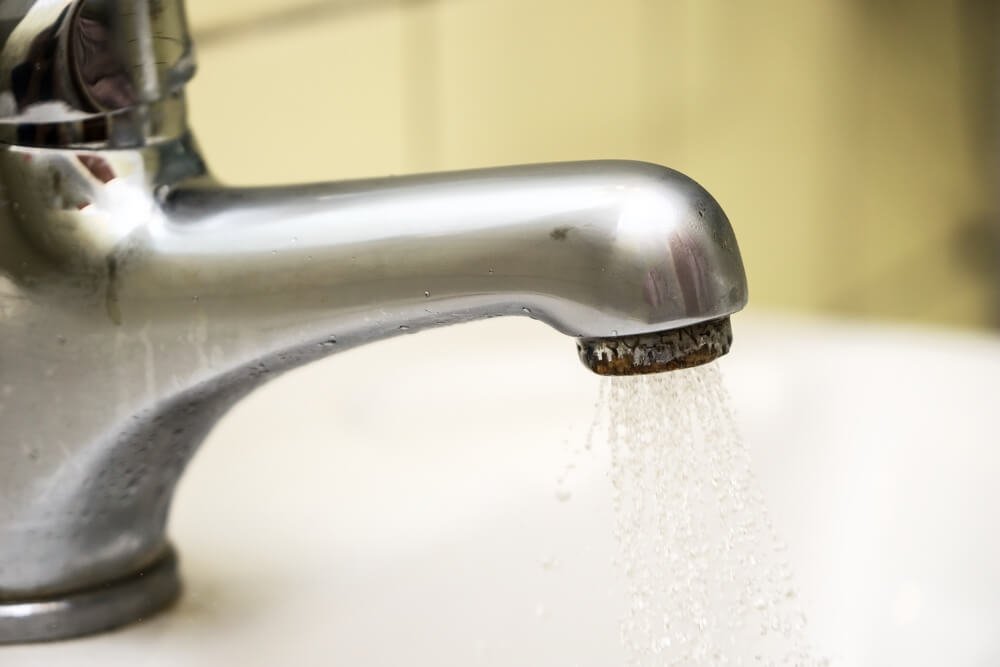
Another source of that distinct rotten egg smell is hydrogen sulfide gas, which can be naturally occurring in some areas, or a byproduct of bacterial decomposition, like in sewage or some well water systems. While also dangerous, it's a completely different chemical compound from CO.
CO: The Quiet Danger Lurking
Now that we've cleared up the smell, let's talk briefly about what carbon monoxide actually is and why it's such a big deal. CO is a byproduct of incomplete combustion. Anytime you burn fuel – whether it's gas, oil, wood, propane, or kerosene – there's a risk of CO production. Common sources in and around your home include:
- Furnaces and boilers
- Gas stoves and ovens
- Water heaters
- Fireplaces and wood-burning stoves
- Clothes dryers
- Gas generators
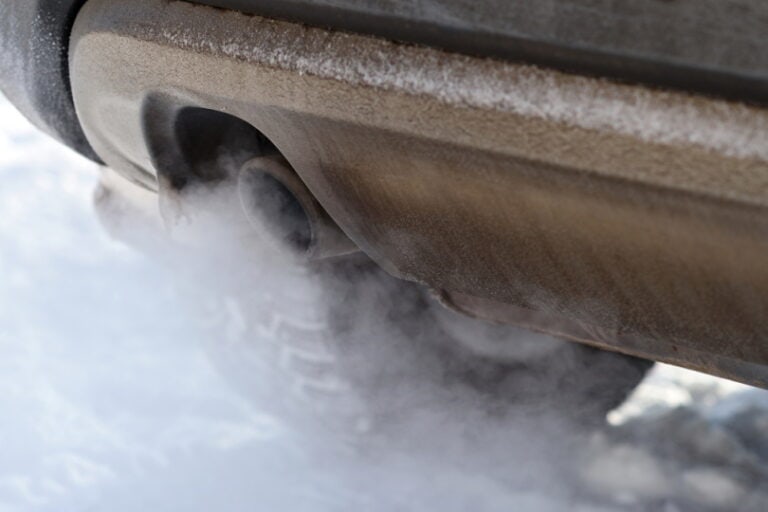
- Car exhaust
- Charcoal grills (especially when used indoors or in poorly ventilated areas)
The danger comes from how CO interacts with your blood. When inhaled, CO binds to the hemoglobin in your red blood cells more readily than oxygen – up to 250 times more easily! This means your body gets starved of oxygen, leading to cell damage and, in severe cases, death. It's truly a stealthy attack on your internal systems.

Listen to Your Body: Symptoms to Watch For
Since your nose is out of commission for CO detection, your body becomes your first line of defense if a detector isn't present or functioning. Early symptoms of carbon monoxide poisoning can often feel like the flu, which is another reason it's so tricky to identify. Keep an eye out for:
- Headache (often the first sign)
- Dizziness or light-headedness
- Nausea and vomiting
- Fatigue and weakness
- Shortness of breath
- Confusion or impaired judgment
- Chest pain
A crucial differentiator from the flu? CO poisoning does not cause a fever. If you experience these symptoms and they seem to improve when you leave your home or area, only to return when you're back inside, that's a huge red flag to investigate immediately!
Your Home's Best Defense: Be a CO Detective!
So, how do you protect yourself and your loved ones from this odorless, invisible threat? It all comes down to proactive measures and technology. Here's your essential CO safety playbook:
1. Install Carbon Monoxide Detectors (and lots of them!): This is your absolute #1 defense. These devices are specifically designed to sense CO levels. You should have one on every level of your home, especially near sleeping areas. Think of them as the superheroes of your household safety squad. Make sure they are UL 2034 certified.
2. Test Them Regularly: Just like smoke detectors, push that "test" button every month. And remember to replace batteries twice a year (a great reminder is when you change your clocks for daylight saving time). Most CO alarms also have a lifespan of 5-7 years, so check the manufacturing date and replace them when due.
3. Schedule Annual Appliance Check-ups: Have a qualified professional inspect your fuel-burning appliances (furnace, water heater, gas stove, fireplace) every year. They can ensure everything is working efficiently and vented properly.

4. Ventilation is Your Friend: Never run a gas generator, charcoal grill, or any other fuel-burning device indoors or in an attached garage. Even leaving a car idling in an attached garage can be deadly. Ensure proper ventilation for all appliances.
5. Know the Sound: Familiarize yourself with the specific sound your CO detector makes when it goes off. It’s different from a smoke alarm, but equally urgent.
Peace of Mind, One Detector at a Time
So, while a rotten egg smell might send you hunting for spoiled leftovers or checking for a gas leak, remember it's not the warning sign for carbon monoxide. The best way to protect your sanctuary from this invisible adversary is by being prepared and proactive. Investing in a few carbon monoxide detectors isn't just a smart home improvement; it's an investment in your family's health and ultimate peace of mind. Stay safe, stay informed, and enjoy the comfort of your home, knowing you've got your unseen defenses in place!