
Does Carbon Monoxide Alarm Sound Different
In our modern world, we're surrounded by an incredible symphony of sounds – from the cheerful chirping of a notification to the gentle hum of our refrigerators. But what about the sounds designed purely for our safety? Specifically, have you ever paused to wonder, "Does a carbon monoxide alarm sound different?" It's a fantastic question that taps into our innate curiosity about the world around us, especially when it comes to the unseen heroes protecting our homes!
While perhaps not as glamorous as learning a new instrument or mastering a creative craft, understanding the nuances of your CO alarm offers its own unique benefits. For the casual learner, it's about gaining a vital piece of knowledge that empowers you to keep your household safe. It turns a potentially anxiety-inducing mystery into a clear, actionable understanding. For the diligent homeowner, it's about peace of mind, knowing you're not just relying on a device, but truly comprehending its language. Think of it as learning the specific "call" of a very important bird – one that alerts you to a silent, odorless danger.
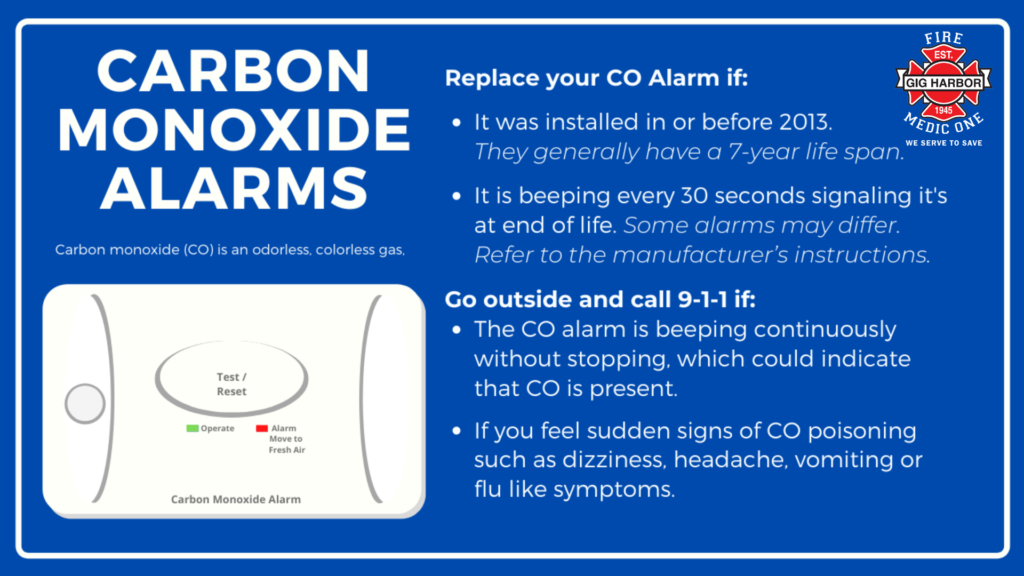
So, let's dive into the core of the question. Do CO alarms sound different? Generally speaking, the sound itself – the basic tone or pitch – is often designed to be loud and piercing, similar to a smoke alarm, ensuring it grabs your attention. However, where they often do differ is in the pattern of their beeps. Most carbon monoxide alarms emit a specific, repeating pattern of four short beeps, followed by a pause, then repeat. This is often distinct from the continuous, rapid beeping of a smoke alarm, or the single, intermittent chirp of a low battery warning. Some modern alarms might even use a voice alert to tell you exactly what's wrong: "Carbon Monoxide!" or "Low Battery!" This clarity is a wonderful advancement, removing guesswork in a critical moment. It’s a testament to how safety technology is becoming ever more communicative and user-friendly, ensuring there's no confusion when it matters most.
Must Read
If you're eager to "try this at home" (in the safest possible way, of course!), here are some tips. Never attempt to test your CO alarm by introducing carbon monoxide into your home – that is incredibly dangerous! Instead, familiarize yourself with your alarm by:
- Pressing the Test Button: Every CO alarm has one! Press and hold it according to the manufacturer's instructions. This will simulate an alarm and let you hear its distinct sound.
- Reading the Manual: Your alarm's manual is a treasure trove of information. It will clearly outline the different beep patterns for a CO detection, a low battery, or an "end-of-life" warning.
- Knowing Your Alarm's Age: CO alarms don't last forever. Most have a lifespan of 5-7 years. An "end-of-life" warning often has its own specific chirp pattern.
Ultimately, learning about your CO alarm isn't just a chore; it's genuinely enjoyable in its own way. There’s a quiet satisfaction in becoming more informed, more prepared, and more capable of protecting what matters most. It’s about cultivating a deeper awareness of your environment and embracing the simple, yet profound, act of ensuring safety. Knowledge, especially when it pertains to home safety, truly is empowering!


