
Does Blue Light Kill Toenail Fungus

Alright, gather 'round, folks, because we're about to delve into a topic that's both fascinating and, let's be honest, a little icky: toenail fungus. Yeah, that lovely yellowish-brown discoloration that makes you want to hide your feet in socks 24/7. And the question on everyone's mind, or at least the minds of those afflicted with fungal foot woes, is: can blue light actually kill this stuff?
Now, I know what you're thinking: "Blue light? Isn't that what my phone blasts into my eyes at 3 AM while I'm doomscrolling through cat videos?" Well, yes, but it's also being touted as a possible superhero in the battle against various types of bacteria and, you guessed it, fungi.
The Blue Light Buzz: What's the Deal?
So, what's the magic behind blue light? Apparently, certain wavelengths of blue light (around 400-470 nanometers, if you want to get technical and impress your friends at parties) can zap microbes. The theory is that these wavelengths interact with molecules inside the fungal cells, causing them to produce something called "reactive oxygen species." Sounds fancy, right? Think of it like tiny little kamikaze pilots crashing into the fungus's internal organs. Not a pretty picture for the fungus, but potentially great news for your toes!
Must Read
Here’s the really interesting part: we are bombarded with blue light daily from the sun and our devices! I mean, we’re practically walking around in a blue light sauna. So, why aren’t we all fungus-free foot models? Well, hold your horses (or should I say, hold your hooves?). It’s not quite that simple.
The Reality Check: Does it Actually Work?
Okay, here’s where we temper expectations a little. While the idea of blue light killing toenail fungus is promising, the evidence is still a bit… shall we say, underdeveloped? There's been some research – mostly lab studies – showing that blue light can inhibit fungal growth. But lab dishes are a far cry from the complex ecosystem of your toenail and the surrounding skin. Imagine trying to win a war against an army of tiny, stubborn mushroom people living deep within the fortress of your toenail. A laser pointer might not cut it!
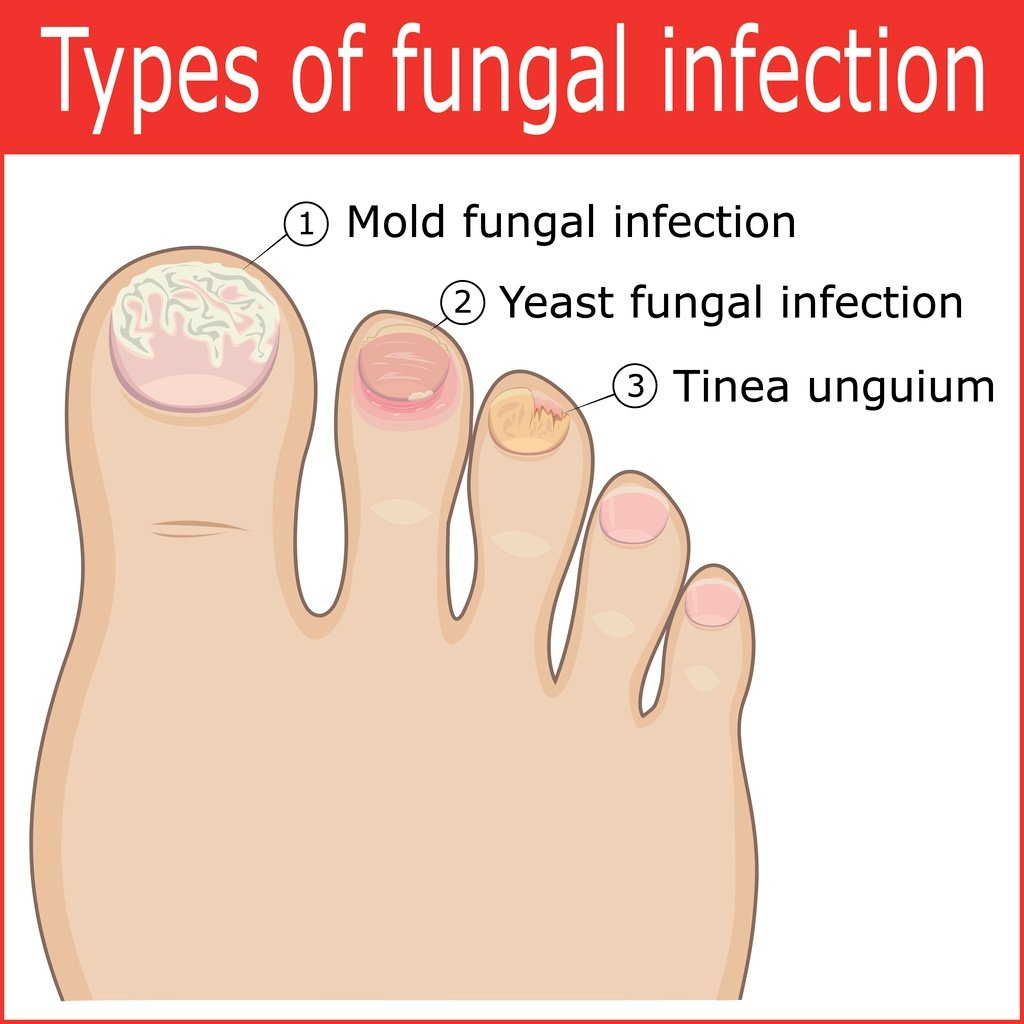
Many studies showing positive results were done in vitro – meaning in a test tube or petri dish. We can obliterate fungus in a test tube all day long. But getting that same effect when it's snuggled up under your toenail, protected by layers of keratin and enjoying the cozy, humid environment of your shoe? That's a different story.
And here’s a shocking fact: toenail fungus is stubborn! It's like that houseguest who shows up uninvited and stays for months, eating all your food and hogging the TV remote. It burrows deep, and topical treatments often struggle to penetrate effectively. So, even if blue light can kill fungus on the surface, it might not reach the deeper layers where the real party is happening.
So, Should You Buy a Blue Light Toenail Zapper?
That's the million-dollar (or, more accurately, the slightly-less-than-a-million-dollar) question! The truth is, the jury's still out. You might find some over-the-counter blue light devices marketed specifically for toenail fungus. Buyer beware! These devices aren't typically regulated by the FDA, and their effectiveness hasn't been definitively proven.

Think of it like this: imagine you're buying a gadget that promises to turn your pet hamster into a miniature unicorn. Sounds amazing, right? But unless there's solid scientific evidence (and, let's be honest, there probably isn't), you're probably better off saving your money and buying your hamster a really fancy wheel.
However, if you’re already seeing a podiatrist, there's no harm in asking about blue light therapy as a potential supplementary treatment. In conjunction with other proven methods, it might offer some benefit. But don't go ditching your doctor's prescription in favor of solely relying on blue light just yet. Think of it as a potential sidekick, not the main superhero.
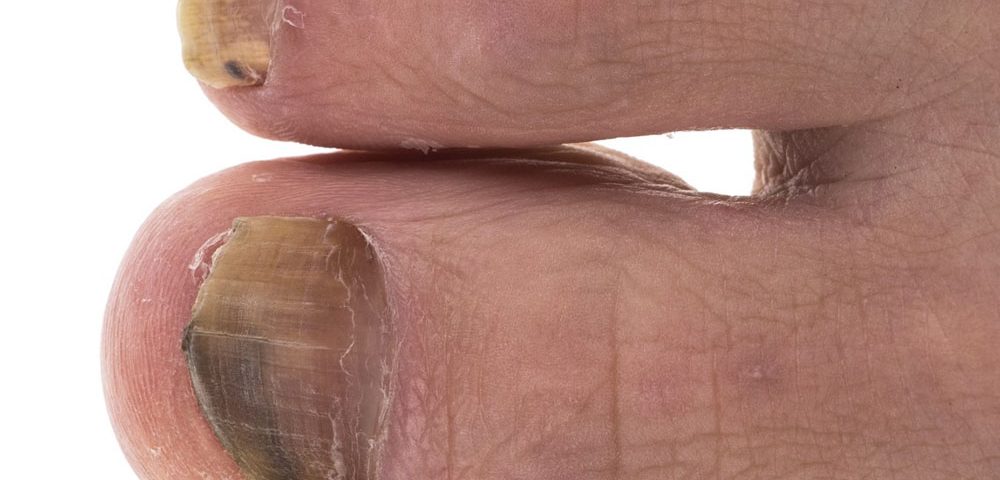
The Bottom Line: Don't Get Your Hopes Too High (But Don't Dismiss It Entirely)
In conclusion, the potential of blue light to kill toenail fungus is intriguing, but the current evidence is inconclusive. More research is definitely needed before we can definitively say whether it's a legitimate treatment option or just a lot of blue hype. It’s kind of like Bigfoot – lots of stories, some blurry photos, but no concrete proof.
In the meantime, stick to proven methods like topical or oral antifungal medications (prescribed by your doctor, of course!), good foot hygiene (keep those piggies clean and dry!), and maybe invest in some breathable socks. And remember, even if you do have a little fungus among us, it doesn't define you! Rock those sandals with confidence (or maybe just paint your toenails a really dark color).
And who knows? Maybe one day, we'll have pocket-sized blue light blasters that can eradicate toenail fungus with a single zap. Until then, keep your feet healthy, your hopes cautiously optimistic, and your humor intact. You’ll need it when dealing with those stubborn little fungi!
