Does Black Roof Make House Hotter
There's nothing quite like the feeling of pulling up to your home, admiring its curb appeal, and knowing you've created a comfortable haven. Part of that comfort, and certainly a big part of your home's aesthetic, is the roof over your head! But choosing the right roofing material goes beyond just looks. It's about protecting your family, saving energy, and making smart decisions that impact your everyday life. One common question that pops up during the roof-shopping process is this: Does a black roof really make your house hotter? It's a valid concern, especially in sunny climates, so let's dive into the truth behind the heat.
Roofs are essentially the first line of defense against the elements. They shield us from rain, snow, wind, and most importantly, the relentless sun. Beyond providing shelter, a well-chosen roof plays a crucial role in regulating the temperature inside your home. This is where the color question becomes important. Dark colors, like black, are known to absorb more sunlight than lighter colors. This absorbed energy translates into heat, which can then radiate into your attic and eventually, your living spaces. Think about wearing a black t-shirt on a hot day versus a white one – you'll definitely feel the difference!
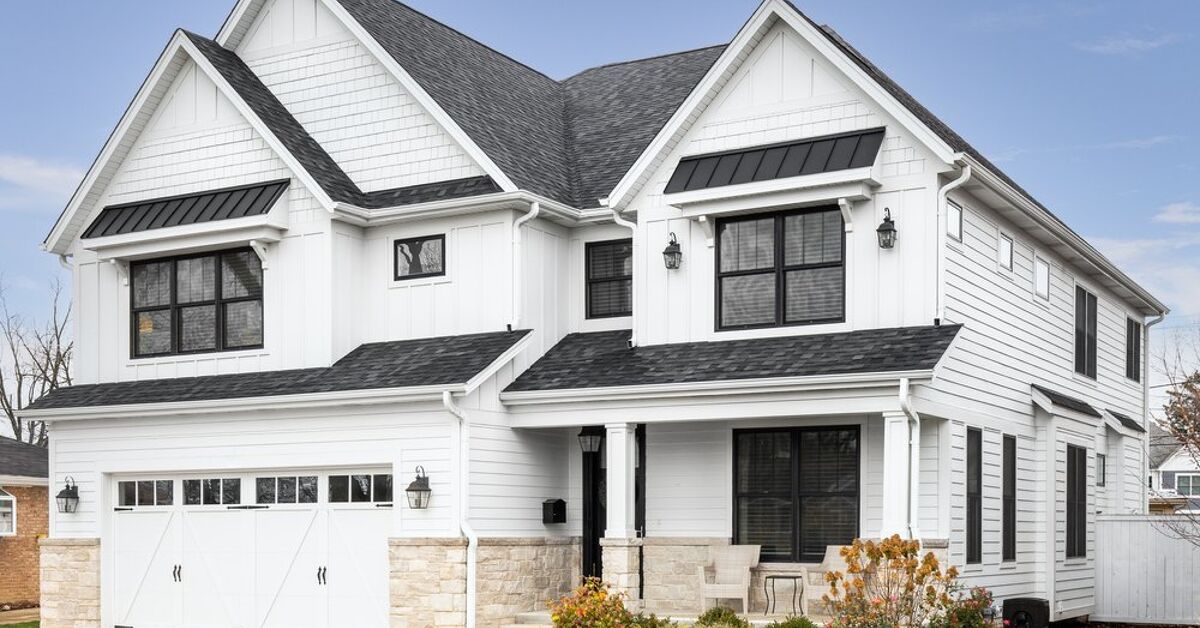
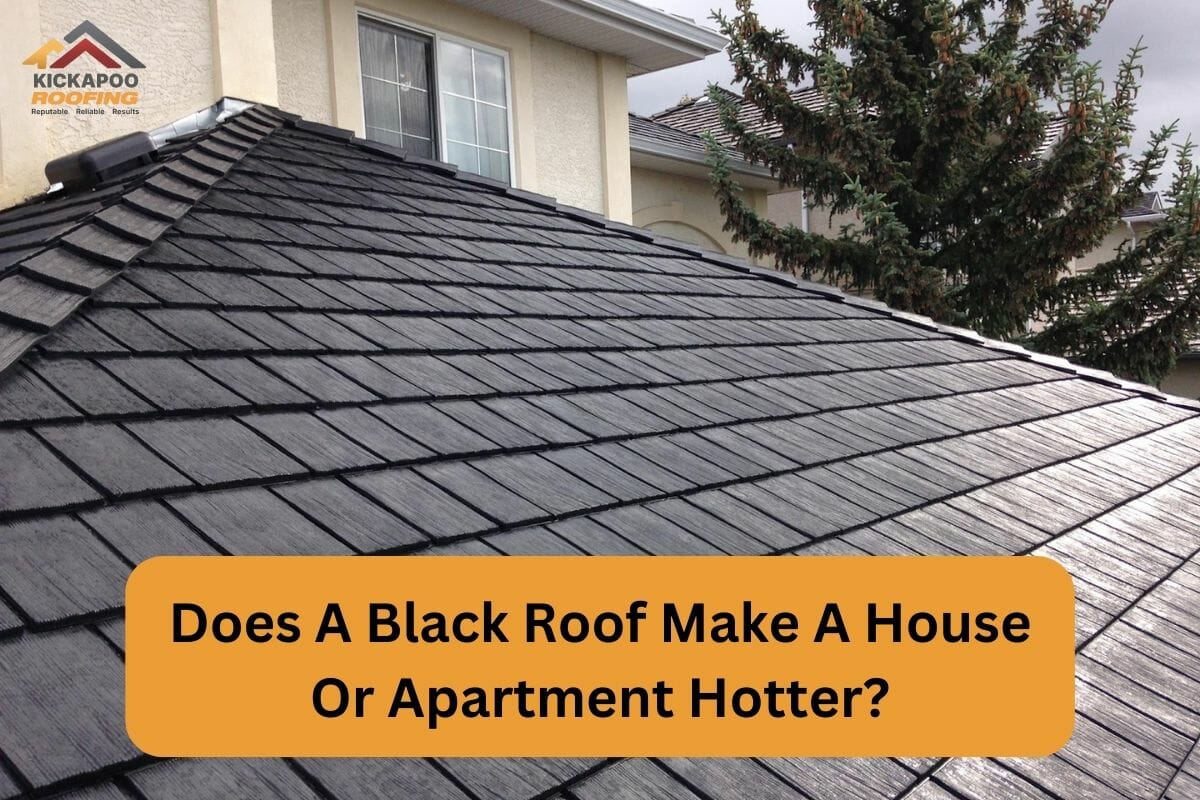
You see black roofs everywhere! From traditional asphalt shingles on suburban homes to sleek, modern metal roofs on contemporary designs, black offers a classic and versatile look. Its popularity stems from its ability to complement a wide range of architectural styles and exterior colors. But the potential for increased heat absorption is a trade-off. So, what can you do?
Must Read
The good news is, even with a black roof, you're not doomed to sweltering summers! Several factors can mitigate the heat-absorbing effect. Here are some practical tips to consider:
- Proper Insulation: This is perhaps the most crucial factor. Adequate attic insulation acts as a barrier, preventing heat from transferring into your living spaces. Make sure you have enough insulation and that it's properly installed.
- Attic Ventilation: A well-ventilated attic allows hot air to escape, preventing it from building up and radiating downwards. Consider installing vents like ridge vents, soffit vents, or gable vents.
- Radiant Barrier: A radiant barrier is a reflective material installed in your attic that bounces sunlight away from the roof deck. This can significantly reduce heat gain.
- Consider Roofing Materials: While color is important, the type of roofing material also matters. Some materials, like metal, can be treated with reflective coatings to reduce heat absorption, even in darker colors.
- Trees and Landscaping: Planting trees around your home can provide shade, reducing the amount of direct sunlight hitting your roof.
In conclusion, while a black roof will generally absorb more heat than a lighter-colored roof, it doesn't automatically mean your house will become unbearably hot. By focusing on proper insulation, ventilation, and considering radiant barriers and reflective roofing materials, you can enjoy the aesthetic appeal of a black roof without sacrificing comfort and energy efficiency. So, go ahead and choose the roof that makes you happy, and then take the necessary steps to keep your home cool and comfortable all year round!