
Does An Air Purifier Dry Out The Air

Okay, so picture this: I’m waking up, right? My throat feels like I swallowed sandpaper. I'm thinking, "Ugh, another day, another desert mouth." I blamed my snoring (don't judge!), maybe I wasn't drinking enough water... you know, the usual suspects. But then, BAM! It hit me: my brand-spankin'-new air purifier was chugging away all night. Could that be the culprit?
That got me thinking: Do air purifiers actually dry out the air? Because if they do, I might have to choose between breathing clean air and having a normal human mouth. A tough choice, people, a tough choice. So I decided to dive in and find out!
The Short Answer (for the Impatient Ones): The vast majority of air purifiers do not significantly dry out the air. Hooray!
Must Read
But, and this is a big but (no pun intended!), there’s a little more to it than that. Let’s break it down.
How Air Purifiers Work (A Super Simple Explanation)
Most air purifiers use a fan to suck air in, pass it through a filter (usually a HEPA filter – which stands for High-Efficiency Particulate Air, by the way), and then blow the cleaned air back out. The filter traps dust, pollen, pet dander, and other nasty particles. Think of it like a vacuum cleaner for your air. Except, you know, less noisy and less likely to eat your socks.
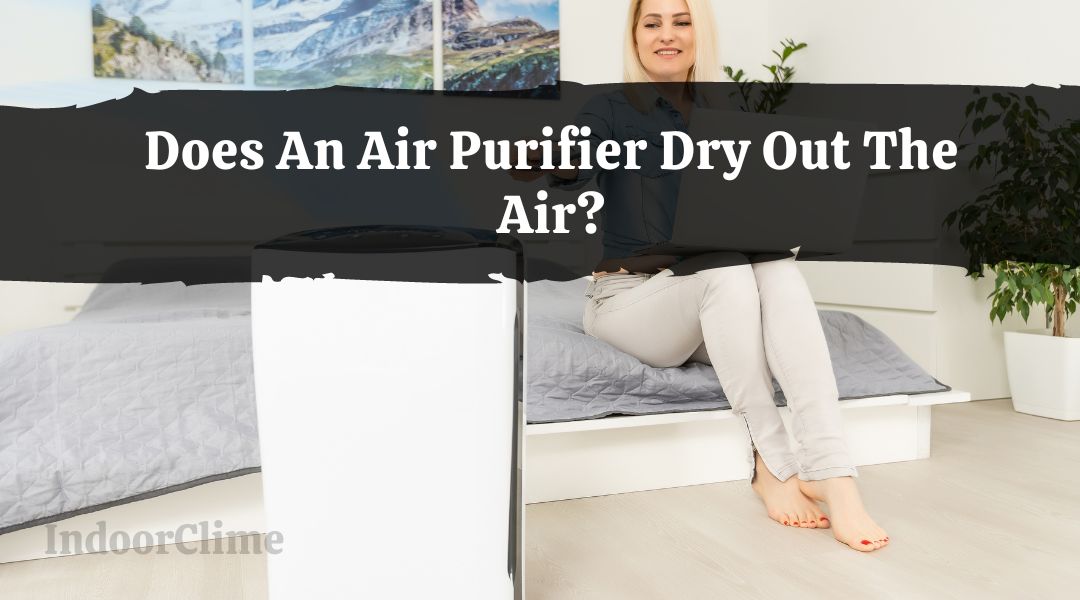
Where's the Moisture-Sucking Action? There isn’t any! A standard air purifier is just filtering, not dehumidifying. It doesn't have any mechanism to actively remove moisture from the air. It's not like a dehumidifier, which is specifically designed to pull water vapor out of the atmosphere.
So Why Did My Throat Feel Like the Sahara?
Good question! And one that requires a bit of detective work. Here are a few possibilities:
- Low Humidity Already: Maybe my room was already dry. Air purifiers often get blamed for things that are already happening. Especially in winter when the heating is blasting, indoor air can get incredibly dry. Check your humidity levels. Anything below 30% is desert territory! A hygrometer is your friend here, just saying.
- Position, Position, Position: Was my air purifier blowing directly on me all night? A constant stream of air, even if it's not actively drying, can still evaporate moisture from your skin and nasal passages. Moving it a bit further away might help.
- Placebo Effect: Okay, I'm being honest here. Maybe I just thought it was the air purifier because it was the newest thing in my environment. Sometimes, our brains play tricks on us. (I know, shocking!)
The Exception to the Rule: Air Purifiers with Humidifiers
Now, some fancier air purifiers do have a built-in humidifier. These actually add moisture to the air. If you have one of these, it’s definitely not drying out your room. You'll probably know if you have one because you'll have to refill a water tank regularly.
However, it's worth noting that some humidifiers, particularly cool mist humidifiers, can sometimes make you feel drier, even though they're adding moisture. This is because the cool mist can evaporate quickly, leaving you feeling chilled and subtly dehydrated. Confusing, right?
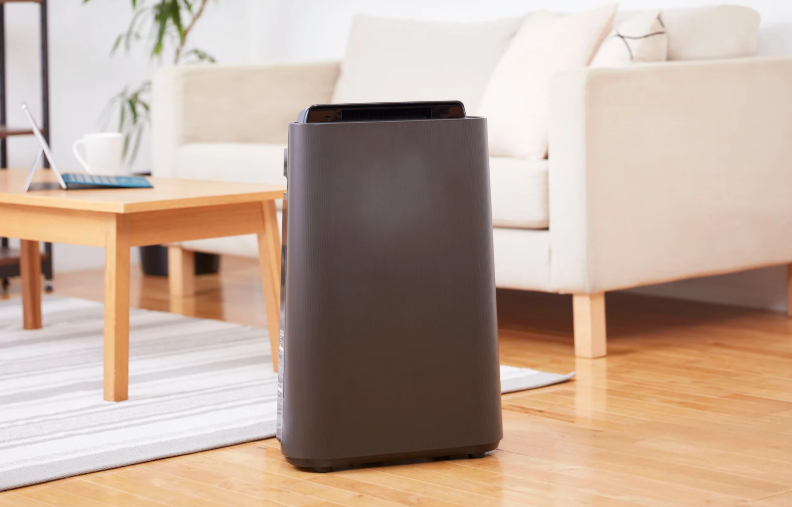
The Bottom Line: Relax, Breathe Easy (and Maybe Get a Humidifier Anyway)
Unless you have a specific air purifier with a dehumidifying function (which is rare), it's unlikely that your air purifier is significantly drying out your air. However, if you're experiencing dry air symptoms, it’s a good idea to check your humidity levels and consider adding a humidifier to the mix. Especially during those harsh winter months.
And hey, even if the air purifier wasn't the primary cause of my sandpaper throat, figuring it out was a fun little adventure! Now, if you'll excuse me, I'm off to buy a humidifier. My throat thanks you in advance!
Pro Tip: Stay hydrated, folks! Water is always a good idea, regardless of your air purification situation.
