
Does Air Purifier Help With Congestion
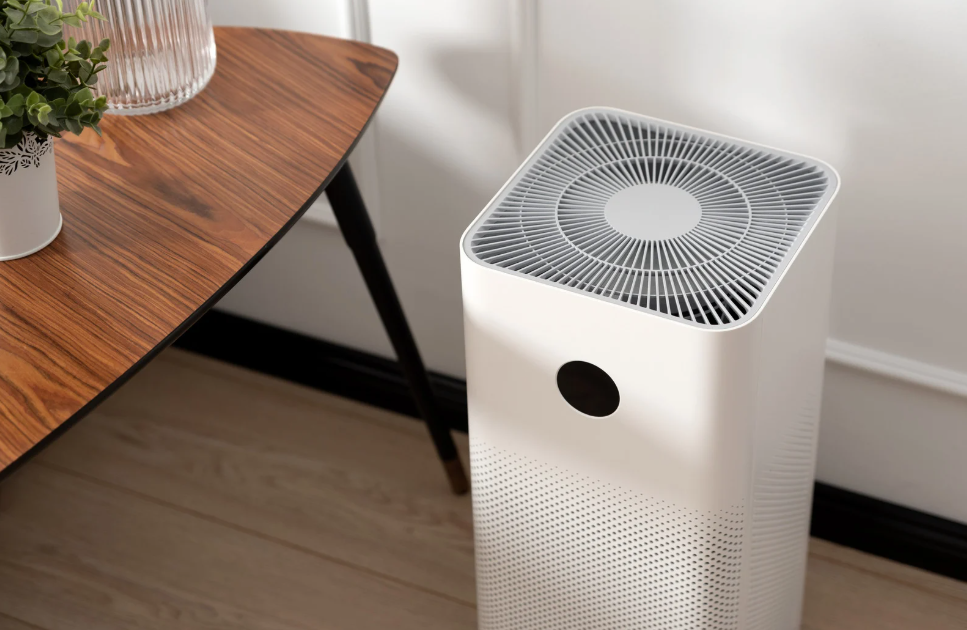
Okay, so congestion, right? That stuffy, can't-breathe-through-your-nose feeling? We've all been there. It's the worst, especially when you're trying to, you know, sleep.
And air purifiers? They're those little (or sometimes not-so-little) machines that promise to clean the air. But can they actually help with that head-in-a-cloud, nose-is-a-dam situation? Let's dive in!
The Congestion Culprits: What's Clogging You Up?
First, gotta know your enemy! Congestion usually happens when your nasal passages get all inflamed and swollen. Think of it like a tiny, angry traffic jam in your nose. What causes this nasal ruckus? Well...
Must Read
Allergies: Pollen? Dust mites? Pet dander (sorry, Fluffy!)? These are common culprits. Your body basically throws a mini-tantrum, resulting in congestion.
Colds and Flu: Viruses are nasty little things. They invade, party in your sinuses, and leave you feeling like a deflated balloon. Congestion? Yep, part of the package.
Irritants: Smoke, pollution, strong perfumes... basically anything that makes your nose wrinkle in protest. (Anyone else get instantly congested around super-strong laundry detergent? Just me? Okay then...).
So, now we know why we're stuffed up. The question is: can a whirring box actually do anything about it?
Air Purifiers: Tiny Air Cleaning Ninjas?
Air purifiers work by sucking in air, filtering out the bad stuff (like those allergens and irritants we talked about), and then spitting out cleaner air. It's like a tiny, personal air-laundromat.
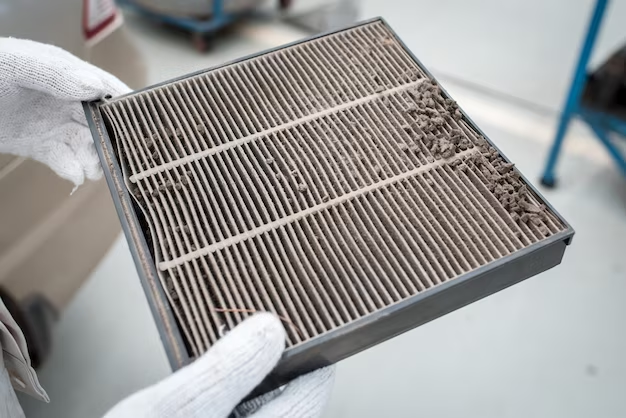
The key is the filter. HEPA filters are the gold standard. They're designed to trap a ton of tiny particles, including pollen, dust mites, mold spores, and even some viruses. Pretty impressive, right?
So, Do They Actually Help With Congestion? The Verdict Is...
Maybe! I know, not the definitive answer you were hoping for. But here's the deal:

If your congestion is caused by allergies or irritants, then yes, an air purifier can definitely help. By removing those triggers from the air, you're giving your nose a break. Less stuff to react to = less congestion. Makes sense, huh?
Imagine this: you're allergic to your cat (sad, I know). An air purifier can significantly reduce the amount of cat dander floating around your bedroom, leading to fewer sniffles and easier breathing. Hallelujah!
However, if your congestion is due to a cold or the flu, an air purifier might offer some relief, but it's not a cure-all. It can help remove some of the virus particles in the air, potentially reducing the spread of the illness, but it won't magically zap your congestion away. You'll still need soup, rest, and maybe some tissues. Lots and lots of tissues.
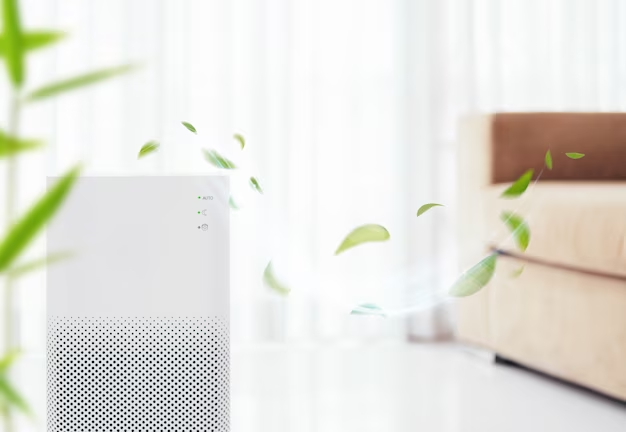
Also, let's be real: even the best air purifier won't solve all your problems. If you're living in a seriously polluted area, or if your house is riddled with mold, you might need more than just a whirring box. (Time to call in the pros, maybe?).
Choosing Your Air Purifier: Not All Heroes Wear Capes (But They Should Have HEPA Filters!)
If you're thinking about getting an air purifier, here are a few things to keep in mind:
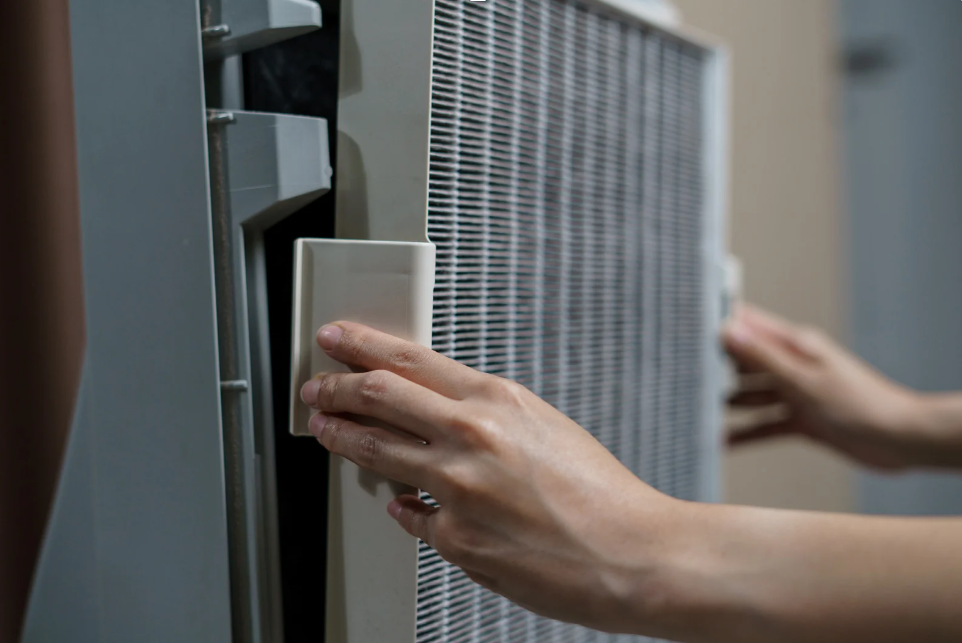
Filter Type: Make sure it has a HEPA filter. Seriously. It's the non-negotiable.
Room Size: Air purifiers are rated for different room sizes. Don't buy a tiny purifier for a huge room and expect it to work miracles. Do your homework!
Noise Level: Some air purifiers sound like jet engines taking off. Unless you enjoy that kind of ambiance, look for a quieter model, especially for the bedroom. A soothing hum is nice; a roaring din is not.
Extra Features: Some have extra features like carbon filters (for removing odors) or UV lights (for killing germs). These are nice to have, but not essential.
The Bottom Line: Worth a Shot?
So, does an air purifier help with congestion? The answer is a qualified yes. If allergies or irritants are your congestion nemesis, an air purifier can be a valuable ally. Just don't expect it to be a magic bullet for everything that ails you.
Think of it as another tool in your congestion-fighting arsenal, alongside nasal sprays, humidifiers, and maybe a good, old-fashioned cup of tea. Now go forth and breathe easy (or at least, easier!).