
Does A Smoke Detector Detect Carbon Monoxide

Picture this: You're happily cooking up a storm in the kitchen, maybe a little too much butter in the pan, and suddenly – BEEP BEEP BEEP! – your smoke detector goes off, scaring the absolute living daylights out of you and probably the cat. You wave a dishtowel frantically, open a window, and everything settles down. Crisis averted, right? Your trusty smoke detector saved the day!
But here’s a question that often pops up, perhaps while you’re still fanning away the last wisps of your minor culinary disaster: If that little gadget is so good at yelling about smoke, does a smoke detector detect carbon monoxide too? It’s a super common and important question, and let’s dive into it with a smile!
Your Smoke Detector: The Nosey Neighbor
Think of your smoke detector as that incredibly vigilant (and sometimes a little overzealous) neighbor. You know the one – they’re always the first to notice a grill flare-up or a bit too much smoke coming from your chimney. They’re designed to literally "see" or "smell" particles in the air that come from something burning. Whether it's the wisps from your slightly-too-toasty bagel or the thick, black plumes of an actual fire, your smoke detector is on the case, sounding the alarm.
Must Read
It’s like having a dedicated fire marshal living in your ceiling, constantly sniffing around for tell-tale signs of a blaze. It reacts to smoke. Pretty straightforward, right?
Carbon Monoxide: The Invisible Ninja
Now, let's talk about carbon monoxide (CO). This sneaky gas is a whole different beast. While smoke is generally visible and has a distinct smell (hello, burnt popcorn!), carbon monoxide is the ultimate invisible ninja. It's odorless, colorless, and tasteless. You can’t see it, you can’t smell it, you can’t taste it. It just… is.
CO is produced when fuels like gas, oil, wood, or charcoal don't burn completely. Think of your furnace, your gas stove, your water heater, that cozy fireplace, or even a barbecue grill used in an enclosed space (please don't do that indoors, folks!). If these appliances aren't working properly, or if vents get clogged, CO can build up in your home.
And here’s the really scary part: when you breathe in CO, it quickly replaces the oxygen in your blood. At first, you might feel a little tired or headachy. You might think, "Oh, I just need more coffee" or "Maybe I’m coming down with something." But as CO levels rise, it can lead to confusion, dizziness, and eventually, unconsciousness and even death. It’s truly a silent killer because it gives you no sensory warning.
So, Do They Team Up?
Alright, back to our main question: Does your smoke detector detect carbon monoxide? And the answer, my friend, is generally no, not on its own.
Your smoke detector is like a lifeguard whose only job is to spot splashes and yell "Fire!" It's really good at that! But CO is like a silent, invisible tide that just slowly pulls you under. The lifeguard isn't trained to see that, because there are no visible splashes or smoke signals.
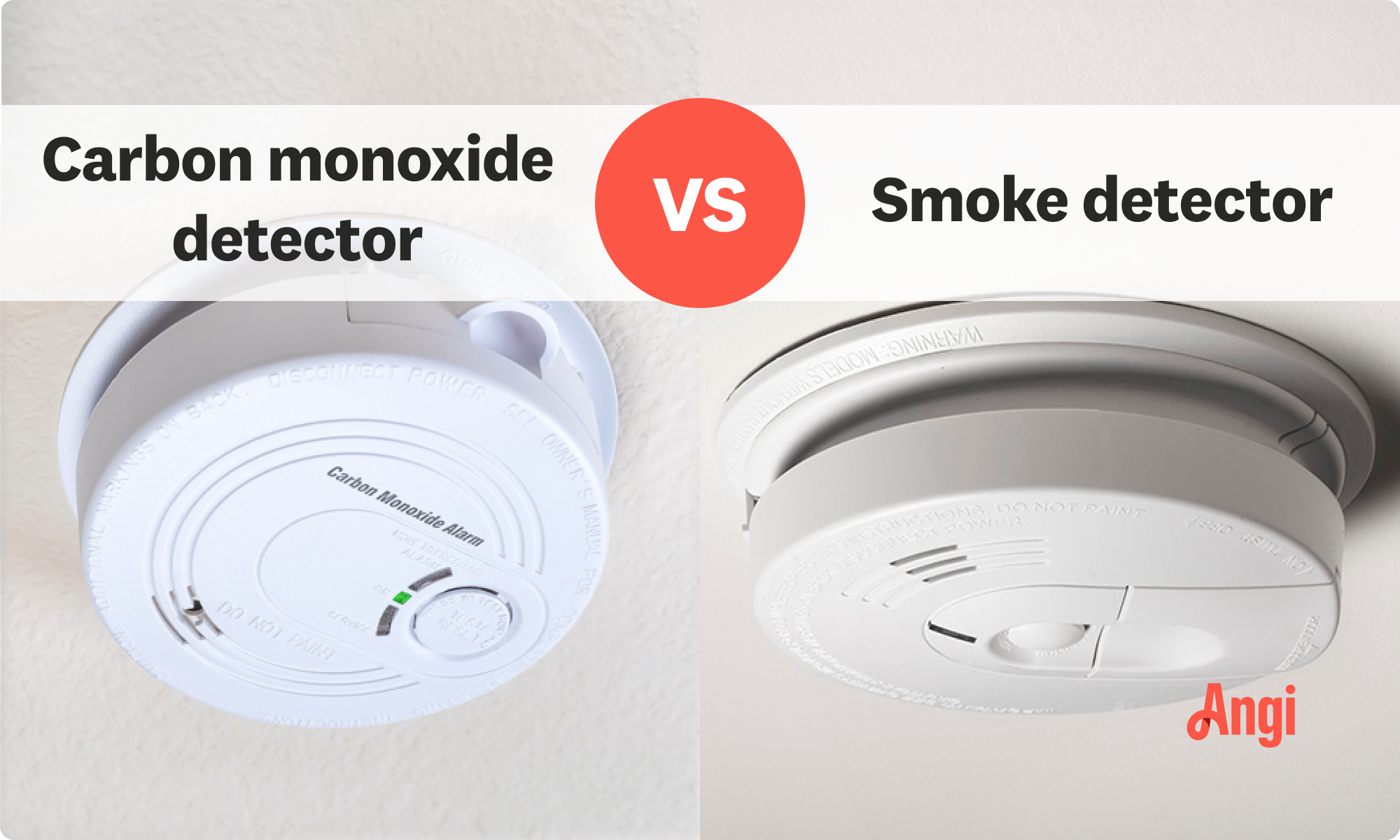
Think of it this way: If your smoke detector is looking for the visual drama of a fire, a carbon monoxide detector is like a special, highly sensitive nose specifically trained to sniff out only that invisible CO gas. They’re looking for completely different things with completely different senses.
Why You Absolutely Need Both!
This is where it gets important, but still in a warm, fuzzy way! Because you have all sorts of fuel-burning appliances in your home, from your toasty furnace in winter to your gas range making delicious dinners, you need protection from both threats.
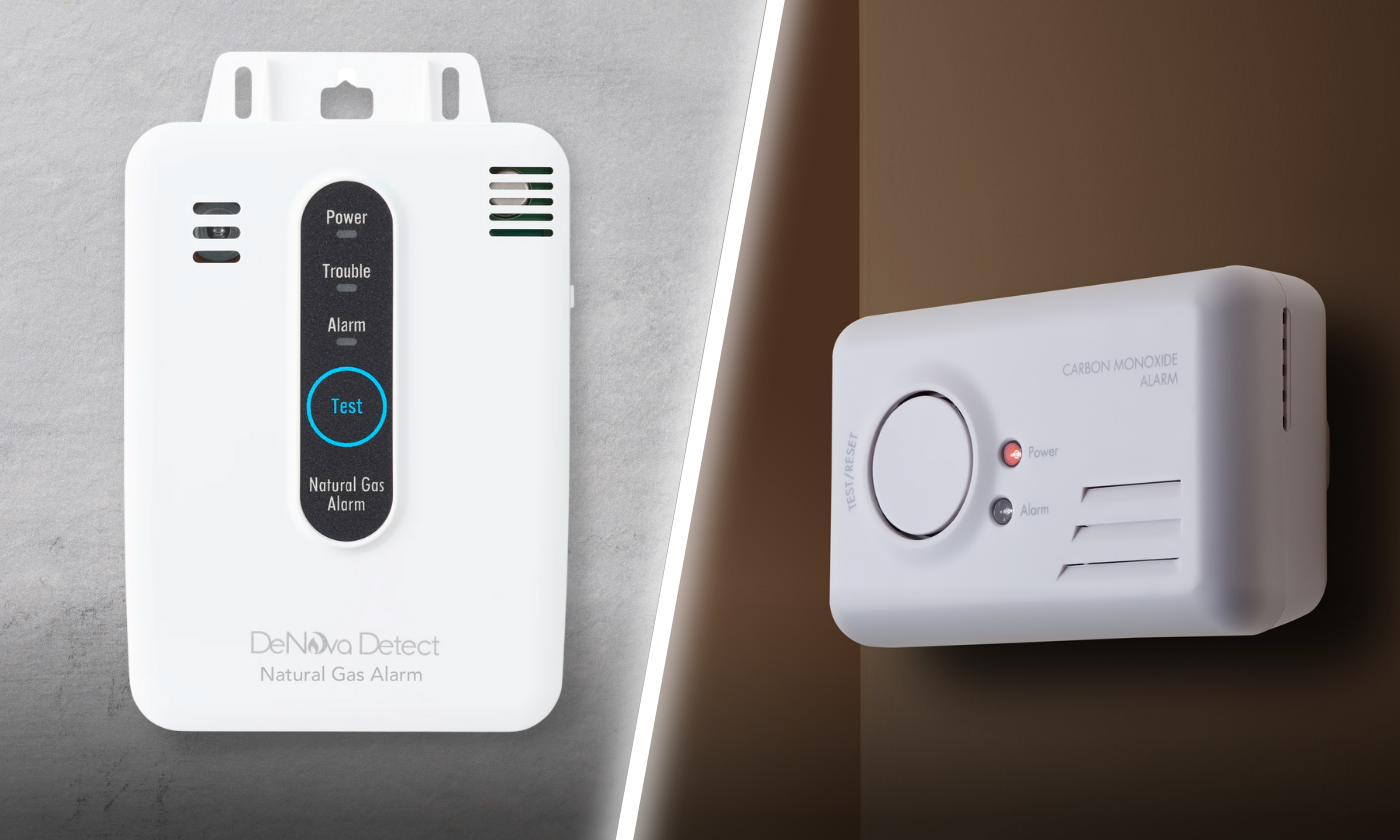
Imagine your home's safety system like a dynamic duo. Your smoke detector is Batman, loud and proud, swooping in to deal with visible dangers. Your carbon monoxide detector is Robin, the quiet, observant one, catching the sneaky bad guys that Batman might miss. You really want both Batman and Robin looking out for your home, don’t you?
There are fantastic devices out there that are combination smoke and carbon monoxide detectors. These clever gadgets have both "eyes" and "noses" in one unit, offering comprehensive protection. It's like getting a two-in-one deal for your peace of mind!
Having a carbon monoxide detector is like having a little guardian angel silently watching over your sleep. It’s the peace of mind knowing that even the most undetectable threat won't catch you off guard. No more worrying if that subtle headache is just Mondayitis or something more serious from a faulty appliance.
A Little Homework for a Safer Home
So, here’s your fun, easy homework assignment: Take a quick walk around your home. Do you have smoke detectors? Great! Now, do you have carbon monoxide detectors? Especially near sleeping areas and on every level of your home? If not, consider picking up a few. They’re easy to install, often battery-operated, and truly invaluable.
And just like you test your smoke detectors regularly (you do, right? A quick press of the button!), make sure to test your CO detectors too. They’re heroes in disguise, and they deserve a little check-in to make sure they're ready to spring into action.
So, breathe easy, literally! Knowing the difference and having the right detectors in place means you can go back to making delicious (and hopefully less smoky) meals, sleeping soundly, and enjoying your home with the ultimate confidence. Stay safe, folks!