Does A Logo Have To Be Trademarked
We love logos, don't we? They're everywhere! From the swoosh on our favorite athletic gear to the mermaid gracing our morning coffee cup, logos are visual shorthand for brands we trust, admire, or simply find appealing. They tell a story, evoke a feeling, and in a world saturated with information, help us make quick decisions about what to buy, support, or engage with. They’re essentially tiny, powerful ambassadors for businesses, services, and even ideas.
Logos are more than just pretty pictures. They serve a vital purpose in the business world and, by extension, in our everyday lives. Think about it: a strong logo instantly differentiates a product from its competitors. It builds brand recognition, making it easier for consumers to find and choose familiar options. A well-designed logo also communicates a company's values and personality, fostering trust and loyalty. This is especially important in today's market where consumers are increasingly discerning and seek authentic connections with the brands they support. We rely on these visual cues to navigate our options and feel confident in our choices.
You see logo usage everywhere. Think about the iconic apple with a bite taken out of it for Apple products, instantly recognisable globally. Or the golden arches of McDonald's, a symbol synonymous with fast food in countless countries. Even smaller businesses benefit immensely. A local bakery might use a charming logo of a rolling pin and wheat stalk to convey its focus on fresh, homemade goods. A tech startup might opt for a sleek, minimalist design to project innovation and cutting-edge technology. These logos, whether simple or complex, are carefully crafted to leave a lasting impression and reinforce the brand's identity.
Must Read
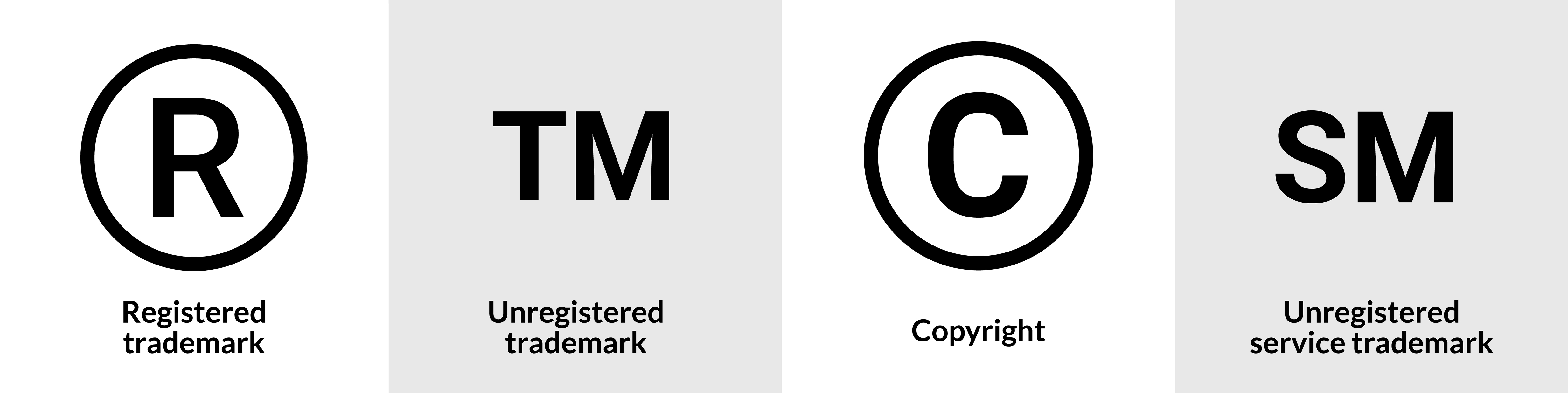
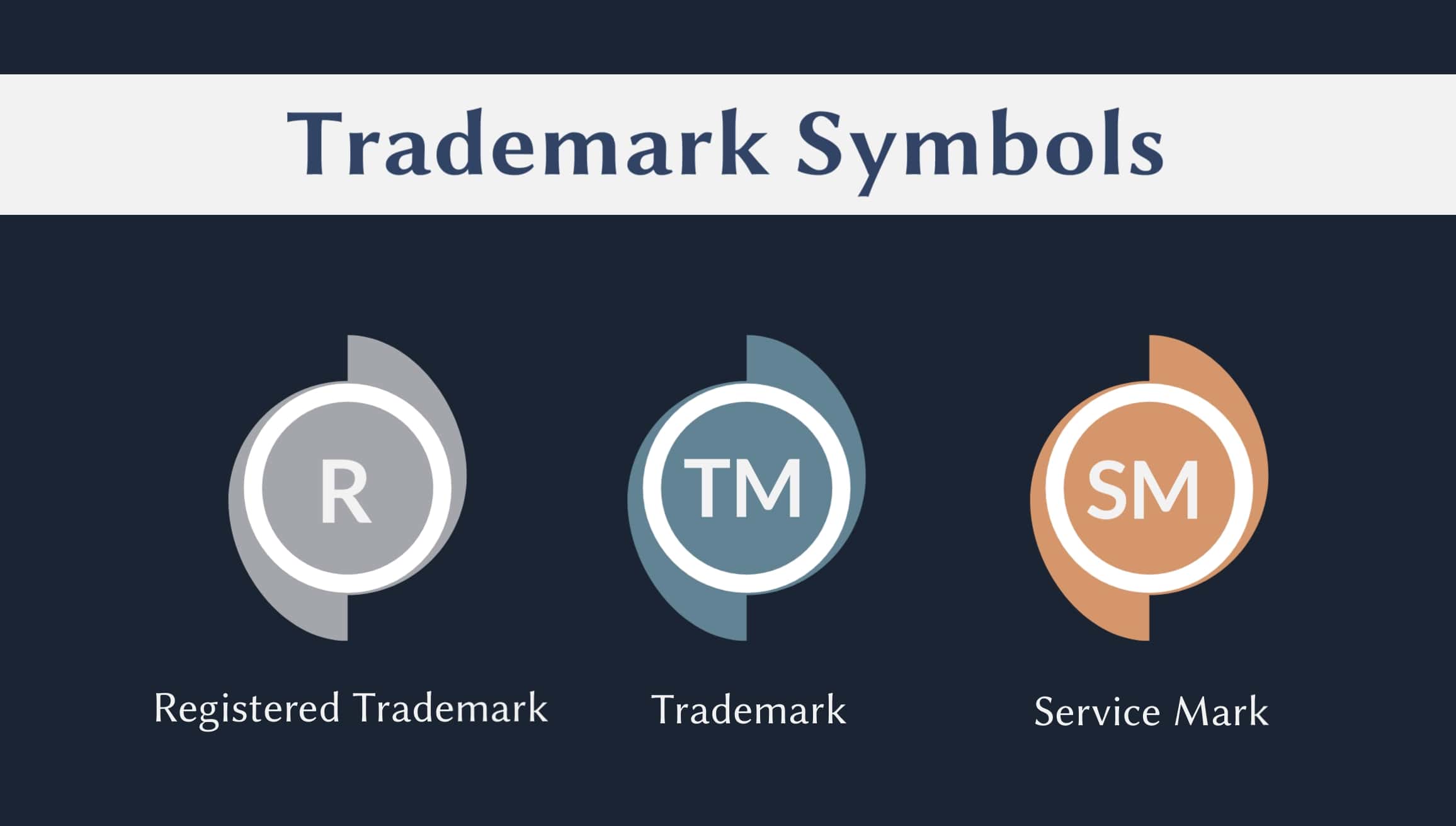
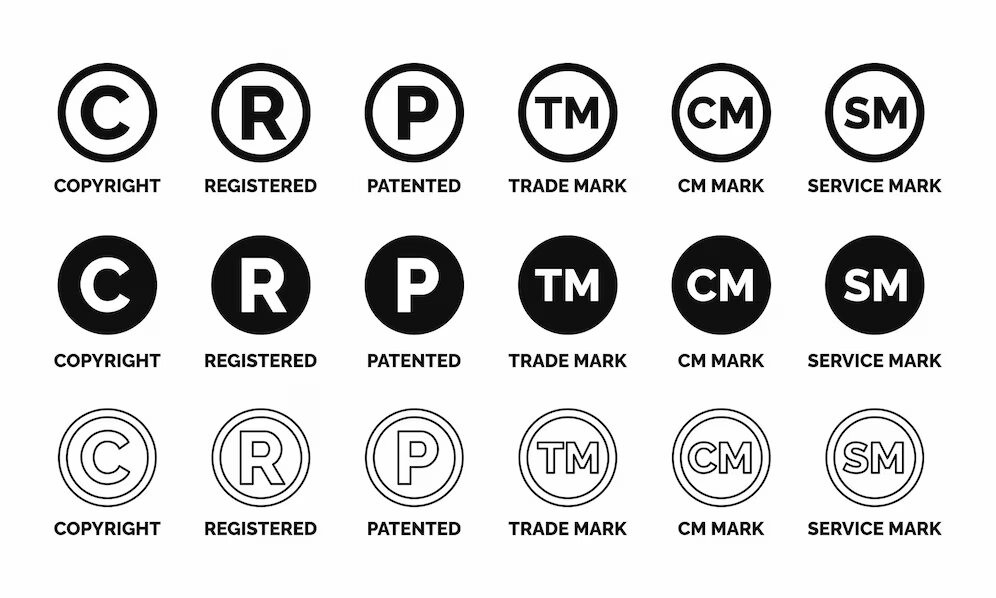
Now, the big question: Does a logo have to be trademarked? The short answer is no, but the longer answer is a resounding, emphatic, "You really, really should!" Trademarking your logo gives you exclusive legal rights to use it in connection with your goods or services. Without a trademark, you're essentially leaving the door open for competitors to use a similar logo, potentially confusing customers and damaging your brand's reputation. Imagine spending years building brand recognition only to have someone else piggyback on your success with a logo that's suspiciously similar!
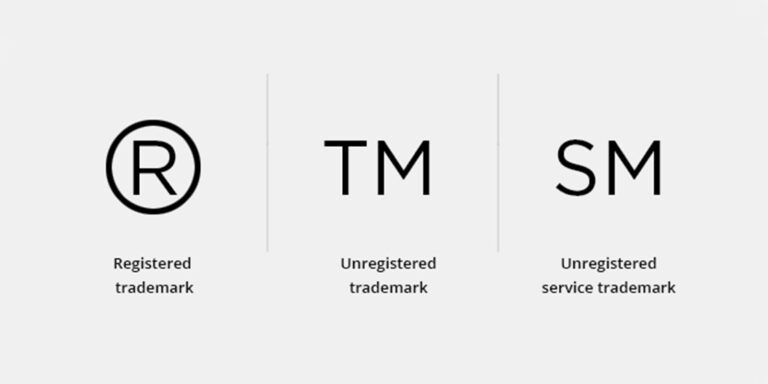
Think of trademarking your logo as an investment in your brand's future. It's a relatively straightforward process, although seeking legal counsel is always recommended, especially for complex brands. To make the process smoother, always conduct a thorough search of existing trademarks before finalizing your design. This can save you time, money, and potential legal headaches down the road. Also, keep meticulous records of your logo's usage and any instances of infringement. This documentation will be invaluable if you ever need to enforce your trademark rights.
In conclusion, while a logo doesn't have to be trademarked, protecting your brand's identity with a trademark is a smart and strategic move. It provides legal protection, strengthens your brand, and ultimately contributes to your long-term success. So, go ahead, design that awesome logo, and then, protect it!