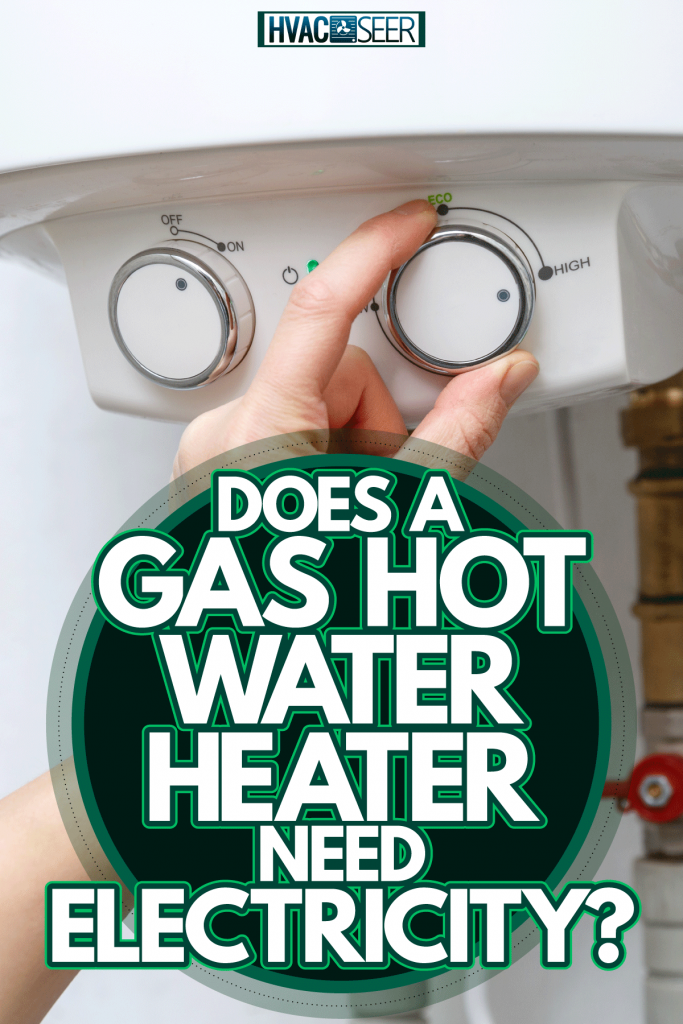
Let's talk about a device that's perhaps the most unfairly named contraption in our homes: the hot water heater. Think about it for a second. Why would you need to heat water that's already hot? Are we just overachievers in the warmth department? Are we afraid our perfectly heated water might get a little chilly if we don't give it a pep talk and another round of warmth? It's like calling a refrigerator a "cold food chiller." The food is already cold! We're just maintaining the status quo.
But semantics aside, there's a more pressing question that often bubbles up (pun absolutely intended) in people's minds, especially when that morning shower suddenly goes from steamy delight to icy shock: Does a hot water heater actually need electricity? My highly scientific, deeply researched, and perhaps slightly unpopular opinion on this matter? It depends! Revolutionary, I know. But stick with me; it gets warmer.
The Great Divide: Electric vs. Gas
Imagine your trusty water warmer. It's often tucked away in a closet, basement, or garage, silently performing its duties. But how does it do its thing? This is where the plot thickens, or rather, where the water heats.
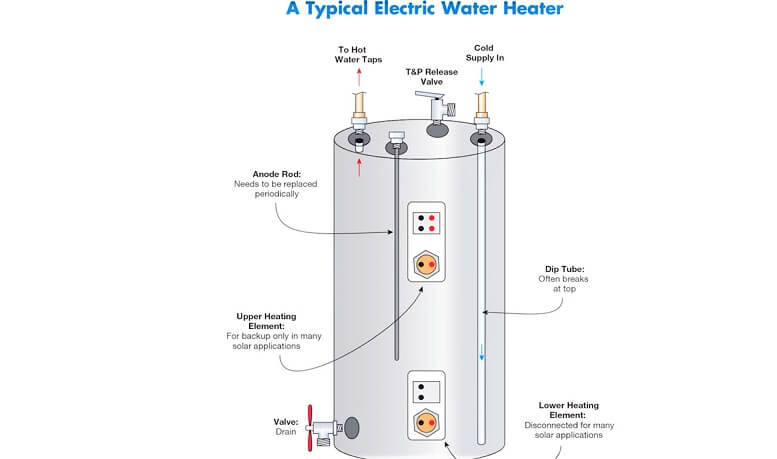
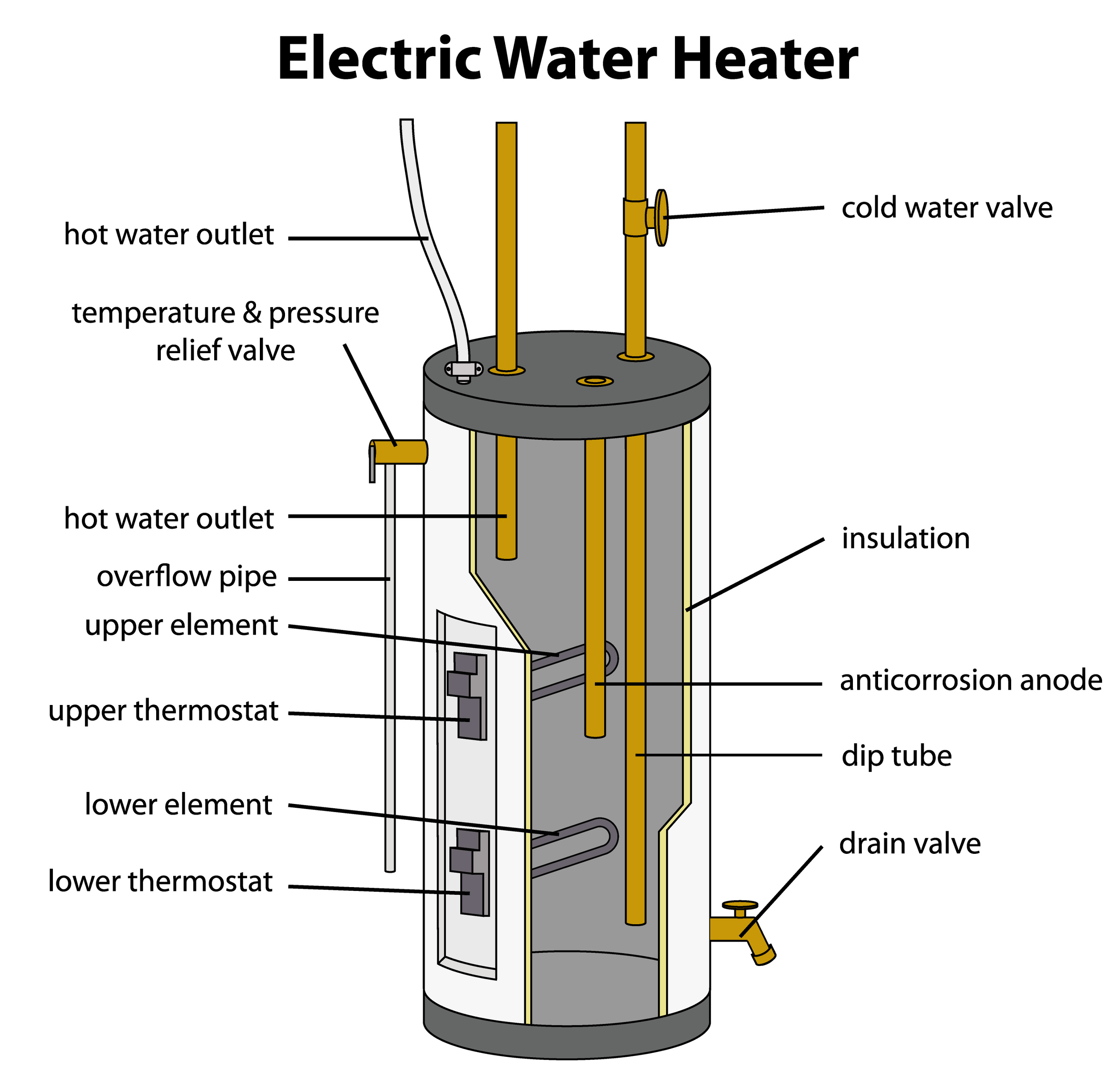
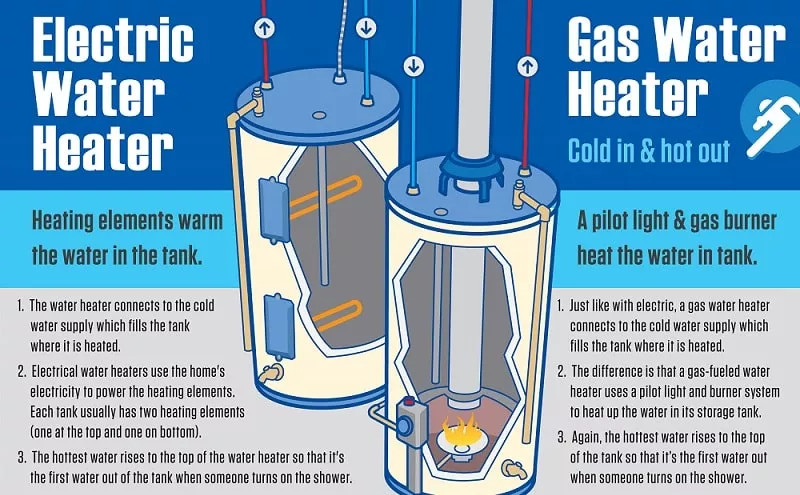
Let's first address the big, often white, sometimes humming elephant in the room: the electric hot water heater. For these titans of temperature, the answer is a resounding, unequivocal yes. They absolutely, positively, without a shadow of a doubt, need electricity. Think of it like a giant, super-sized electric kettle. Inside that big tank are heating elements, much like the ones in your toaster or oven. When you turn on your faucet and demand hot water, these elements spring into action, consuming a fair bit of your home's electrical juice to warm up the water stored in the tank. They glow, they buzz (sometimes), and they turn cold water into a delightful, steaming stream. If the power goes out, so does your delightful, steaming stream. It's a simple, albeit sometimes energy-hungry, relationship.
"An electric hot water heater without electricity is just a very expensive, very large, and frankly, very disappointing cold water storage tank."
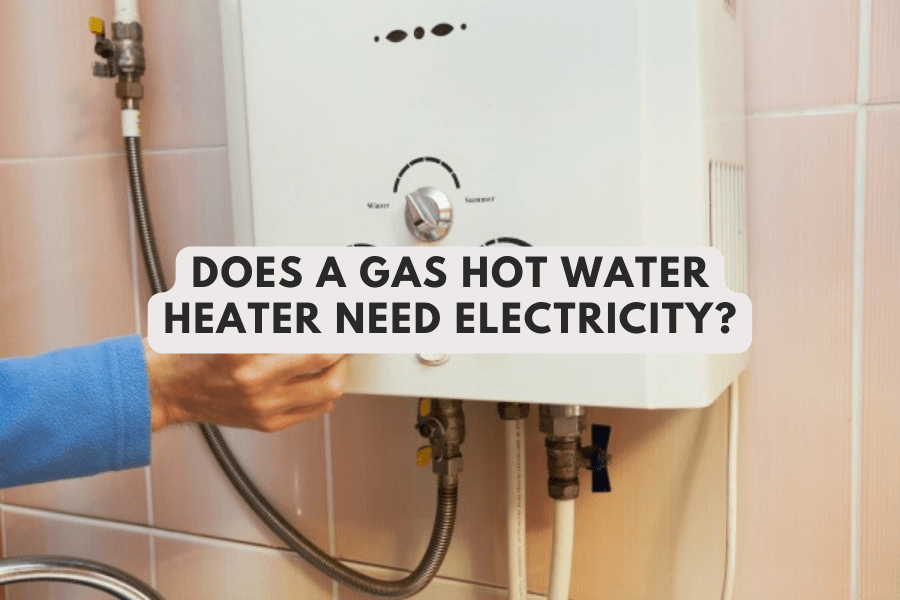
Does A Gas Hot Water Heater Need Electricity To Work at Brandon Ross blog
Now, what about the other side of the thermal coin? Enter the gas hot water heater. These are the fiery cousins, often identifiable by their vent pipe poking out somewhere. Do they need electricity? Well, this is where my "unpopular" opinion gets a little nuanced. Primarily, a gas water heater uses natural gas or propane to fuel a burner located at the bottom of the tank. This burner lights up, creating a flame that heats the water from below. So, the main heat source isn't electricity; it's combustible gas.
However, before you declare gas heaters completely free from the shackles of the electrical grid, hold your horses (and your hot shower expectations). Even gas units often require a tiny sip of electricity. This power usually runs the control panel, the igniter (to spark that flame into life), or sometimes a fan that helps vent the exhaust gases. So, while they're not drawing massive amounts of power like their electric brethren, they're typically not entirely off-grid either. Think of it as a small, polite request for a little bit of juice, just enough to get the party started. If your power goes out, a gas water heater might still work for a bit, relying on its pilot light, but modern ones with electronic ignition often won't fire up without that little jolt of power.
How Do Electric Water Heaters Work?
And let's not forget the sleek, space-saving tankless water heaters, which only heat water on demand. These can also be electric or gas. An electric tankless unit needs a lot of power all at once. A gas tankless unit, like its tanked counterpart, primarily uses gas but still needs a small electrical assist for ignition and controls.
So, does a hot water heater need electricity? My playful conclusion remains: it absolutely depends on what kind of magic-maker you've got in your home. If it's electric, it's an undeniable power hog. If it's gas, it's more of a polite guest, asking for just a tiny current to keep its internal flame alive. Either way, next time you're luxuriating in a steamy shower, spare a thought for the engineering marvel that makes it all possible. And maybe, just maybe, chuckle at the name hot water heater. Because really, some things in life are just delightfully redundant.