
Does A Honeywell Thermostat Have Batteries

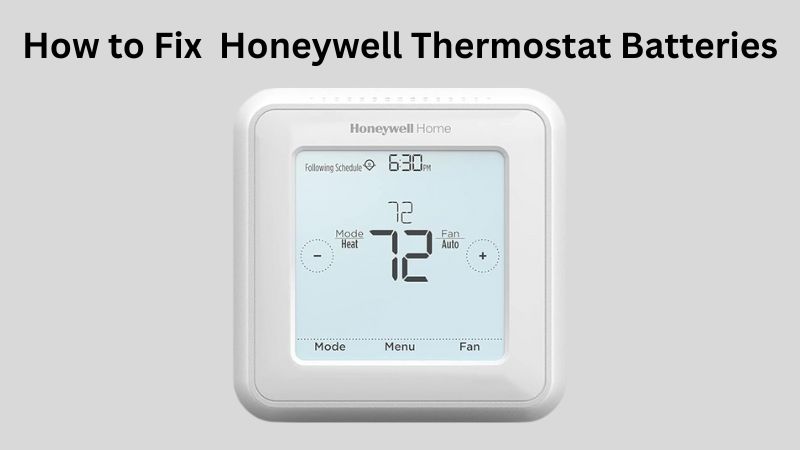
Okay, so let's talk thermostats, shall we? Specifically, those trusty Honeywell units that are probably hanging out on your wall right now, quietly managing your home's climate. Ever stare at it, perhaps when the power flickers, and wonder: "Does this thing even have batteries?"
It's a question that probably pops into your head at the most inconvenient times, like when your house is suddenly Arctic cold in the dead of winter, or Sahara hot in August. And let me tell you, it's not a simple "yes" or "no," my friend. It's a delightful, nuanced, and sometimes frustrating "yes, but also no, and sometimes maybe." Confused yet? Perfect! Grab a coffee, let's unravel this mystery together.
The Great Battery Mystery: Yes, But Also No?
You see, Honeywell makes a whole spectrum of thermostats. Some are old-school, wired directly into your home's electrical system, humming along without a care in the world for batteries. They get all their juice straight from the furnace or AC unit. These guys are the
Must Read
But then there's the
Why On Earth Would My Thermostat Need Batteries?
Good question! It feels a bit redundant, doesn't it? Especially if it's already wired in. But here's the skinny:
Firstly, for
Secondly, for
And thirdly, for
How Do I Know If My Honeywell'at Has 'Em?
Okay, so you're convinced your specific unit might have batteries. Now what? How do you check without prying it off the wall like a mad scientist?

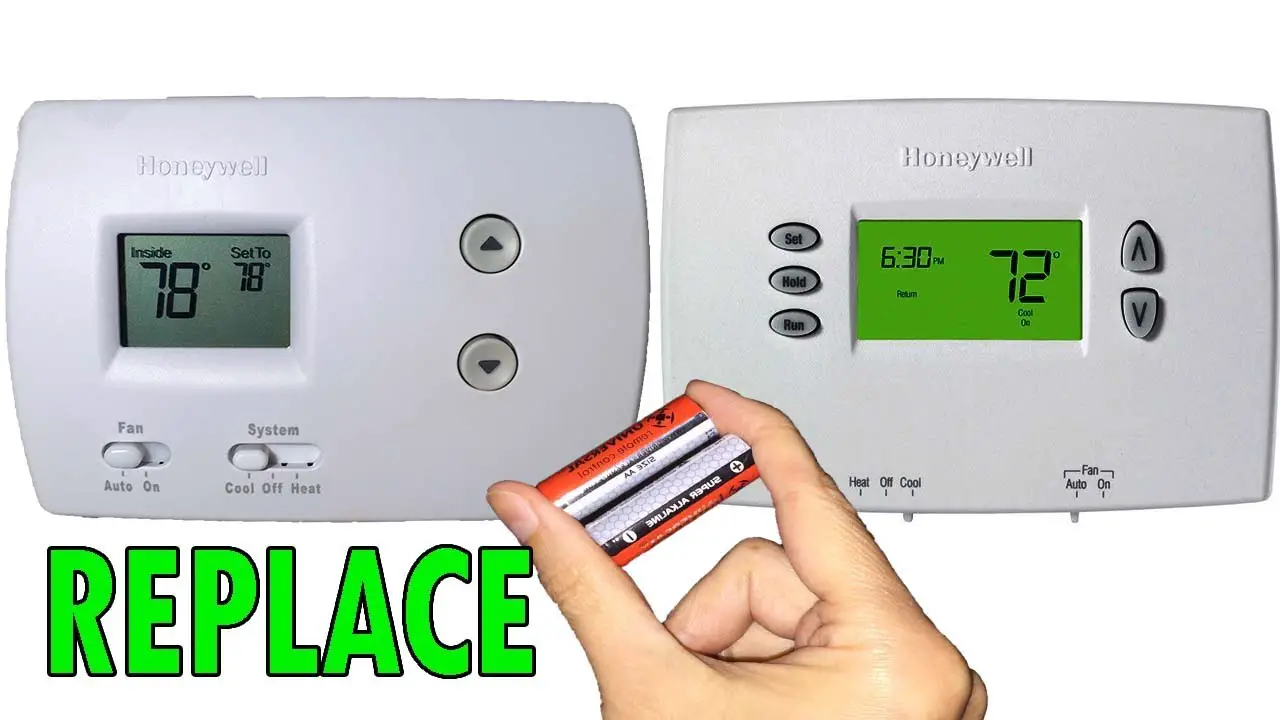
The easiest way? Look for a battery compartment. Seriously! Most Honeywell thermostats with batteries have a pretty obvious little door, often on the side, bottom, or front (sometimes it slides down or pulls out). It's usually labeled, or it just looks like, well, a battery compartment. You might need to gently pull the main unit off its base to find it on the back, but don't worry, it usually just snaps on and off.
If you can't find one, check your thermostat's
Another big clue? A blank screen. If your power goes out and your thermostat screen goes completely dark, it's a strong indicator it relies on batteries for its display, even if it's wired for heating/cooling functions.
Okay, So What Kind and When Do I Change 'Em?
Alright, you've found the compartment! What's inside? Most likely, you'll find good old AA or AAA alkaline batteries. Sometimes, for smaller, simpler models, you might even spot a coin-cell battery. They're your everyday, run-of-the-mill power sources.
As for when to change them, your Honeywell thermostat is usually pretty good at telling you. Look out for a "low battery" indicator on the screen. It might be a little battery icon, a specific message like "LOW BATT," or even just the screen dimming or acting a bit wonky. Don't ignore it!
If you're seeing weird behavior – like your thermostat not responding properly, the screen flickering, or the schedule getting jumbled – it's often a sign that the batteries are gasping their last breath. Think of it as your thermostat throwing a little tantrum because it's running on fumes. Just like us on a Monday morning!
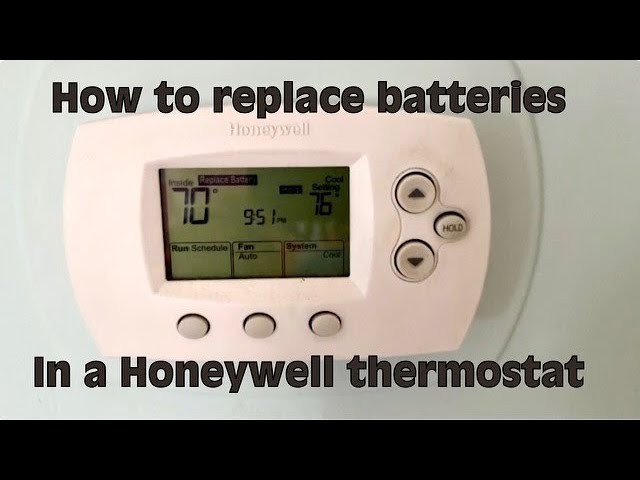
It's generally a good idea to swap them out
The Grand Finale: A Quick Battery Swap!
Changing them is typically a breeze. Seriously, it's easier than assembling most IKEA furniture.
First, find that battery compartment. Slide it open, pull it out, or gently pop the thermostat off its base. Take note of which way the old batteries are facing (the + and - ends are important!). Pop out the old, dead ones. Pop in the new, fresh ones, making sure they're oriented correctly.
Close the compartment or snap the thermostat back onto its base. You might see a quick restart sequence on the screen. And voilà! Your Honeywell thermostat should spring back to life, happy as a clam, ready to keep your home perfectly cozy (or cool) once more. You just saved yourself a potential service call, you superstar! See? Not so mysterious after all!