
Does A Gas Stove Produce Carbon Monoxide

Okay, so picture this: you’re brewing your morning coffee, maybe scrambling some eggs, and your trusty gas stove is doing its thing. You ever just, like, pause for a second and think, “Hmm, does this thing actually make carbon monoxide?”
It’s one of those questions that pops into your head, right? Like, we all know gas stoves are super convenient, but there’s this little whisper about CO, that sneaky stuff. So, let’s grab another cuppa and chat about it, friend-to-friend.
The Big Question: Do Gas Stoves Produce Carbon Monoxide?
Alright, straight up? The answer is... drumroll please... yes, they totally can.
Must Read
But before you start picturing some apocalyptic gas cloud in your kitchen and rushing to convert to induction (which, hey, is pretty cool too!), let’s take a deep breath. It’s not quite as scary as it sounds, usually. Think of it more like your car exhaust. It can be dangerous, but with the right precautions, it's generally fine.
See, carbon monoxide, or CO as the cool kids call it, is a byproduct of incomplete combustion. What does that even mean, you ask? Well, when natural gas (or propane) burns, it ideally mixes perfectly with oxygen, giving you carbon dioxide and water vapor. That’s the good stuff.
But if there’s not enough oxygen, or if the burner isn’t working quite right, the gas doesn’t burn completely. And poof! You get carbon monoxide instead. It’s like a little chemical oopsie, really.
What Exactly is This CO Thing?
So, CO is a gas. And here’s the kicker: it’s colorless, odorless, and tasteless. Yep, completely undetectable by your human senses. That’s why it’s often called the “silent killer.” Spooky, right? But again, don't panic! Awareness is key.
When you breathe in CO, it basically muscles out the oxygen in your blood, making it hard for your body to get the oxygen it needs. Symptoms can be a bit vague at first, like a headache, dizziness, or nausea. Which, let’s be honest, could also just be a bad Monday or too much pizza. But better safe than sorry, eh?
Signs Your Stove Might Be a CO Culprit
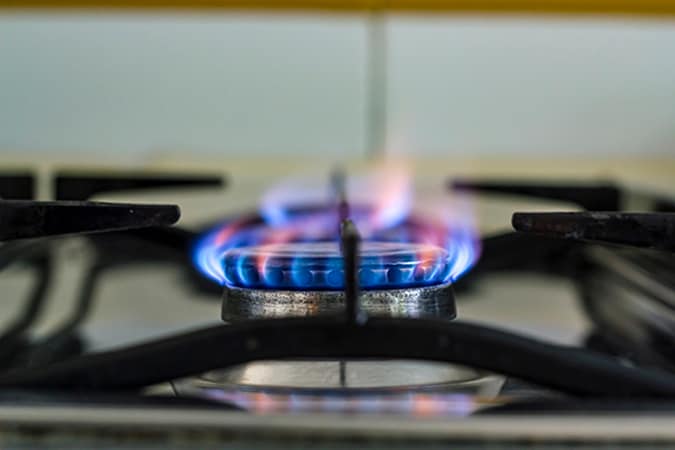
Okay, so how do you know if your gas stove is having an "incomplete combustion" moment? Your eyes are your first line of defense! A healthy gas flame should be mostly blue, crisp, and steady. Think of a calm, serene blue.

If you see flames that are yellow or orange, kinda lazy-looking, or fluttering, that’s a red flag (or, well, a yellow/orange flag!). It means something’s not burning efficiently. Also, if you notice soot building up around the burners or on your pots and pans, that’s another tell-tale sign. And if you ever smell a funky, unusual odor, listen to your nose!
These are all little nudges from your stove saying, “Hey, something’s a bit off here, maybe give me a check-up!”
Your Superpower: Prevention and Protection!
Alright, enough with the potential doom and gloom! Let’s talk about how to be the boss of your gas stove and keep things safe and sound. Because, spoiler alert, it’s pretty easy!
1. Ventilation is Your Best Friend
This is probably the most crucial one. Whenever you’re using your gas stove, make sure there’s good airflow. Turn on your exhaust fan or range hood. Seriously, it’s there for a reason! It pulls away not just CO, but also other cooking fumes and excess heat.

If you don’t have a super powerful hood, or even if you do, crack open a window! A little fresh air goes a long, long way in keeping things properly ventilated. Think of it as giving your kitchen a refreshing, breezy high-five.
2. Keep Those Burners Clean!
Remember how we talked about incomplete combustion? Gunk and grime can clog your burners, messing with that perfect gas-to-oxygen ratio. So, give your stove a little love! Clean up spills, wipe down those burner caps, and make sure everything is clear. A clean stove is a happy, efficient stove.
3. Get a CO Detector (Seriously, Get One!)
This is the ultimate superhero gadget for your home. A carbon monoxide detector is your invisible gas watchdog. It's affordable, easy to install (just plug it in or put in batteries!), and it will alert you with a loud alarm if CO levels get too high. It’s literally a life-saver, plain and simple. Put one near your kitchen, definitely near bedrooms, and even one on each floor.

Think of it as the ultimate peace-of-mind purchase. You wouldn't drive a car without a seatbelt, right? Well, a CO detector is your home's seatbelt against this sneaky gas.
4. Regular Maintenance
If you’re seeing those yellow flames consistently, or if your stove just seems off, it might be time for a professional check-up. Just like your car needs a tune-up, your gas appliances can too! A certified technician can ensure everything is working perfectly.
So, Are Gas Stoves Evil?
Absolutely not! Gas stoves are fantastic for cooking, and millions of people use them safely every single day. The key, as with so many things in life, is just being aware and taking simple precautions.
It’s not about fear; it’s about smart living. So go ahead, fire up that stove for your next culinary masterpiece. Just remember your blue flames, your whirring hood fan, and that trusty CO detector standing guard. Happy cooking, friend!