
Does A Dehumidifier Use A Lot Of Electricity
Okay, so picture this: I walked into my basement the other day and it felt like stepping into a rainforest. Not the cool, nature documentary kind, but the sticky, uncomfortable, "I think I'm growing mold" kind. My first thought? Dehumidifier, stat! My second thought? Uh oh, is this thing going to bankrupt me with the electricity bill?
That sticky, humid basement got me thinking – how much juice do these dehumidifiers actually use? It’s a question that plagues anyone battling dampness, right? Let's dive in, shall we? Because nobody wants a dry basement at the cost of a small fortune.
The Big Question: Electricity Hog or Energy Sipper?
The honest answer? It depends. (I know, the most annoying answer ever, but bear with me). Different dehumidifiers have different appetites for electricity. Just like some people can eat a whole pizza and others nibble on a salad, dehumidifiers vary in their energy consumption.
Must Read
Think of it like this: A small, compact dehumidifier designed for a tiny bathroom isn't going to suck up nearly as much power as a heavy-duty beast meant to tackle a sprawling, damp basement. Makes sense, right? It’s all about the size and the humidity level it's designed to combat. Knowing your space is key!
Key Factors Affecting Energy Consumption
Alright, let’s break down the culprits that impact your electricity bill when running a dehumidifier.
- Size and Capacity: This is a big one. Dehumidifiers are rated by how many pints of water they can remove from the air per day. A larger capacity usually means a more powerful motor and compressor, hence more electricity.
- Energy Efficiency: Like any appliance, dehumidifiers have energy efficiency ratings (usually an Energy Star rating). Look for these! It's like checking the gas mileage on a car. Do your homework, future you will thank you!
- Humidity Levels: The drier your air needs to be, the harder the dehumidifier has to work. If your basement is just slightly damp, it won't need to run constantly. But if you're battling a full-blown swamp, expect it to be working overtime.
- Usage Patterns: Do you leave it running 24/7, or just when needed? Obvious, right? But it's worth pointing out. Running it constantly is like leaving your car idling all day.
- Thermostat and Humidity Sensor: Some dehumidifiers come with built-in thermostats and humidity sensors. These can help regulate the humidity and turn the unit on and off automatically, saving energy. Smart technology for the win!
Numbers, Numbers, Numbers! (Don't Panic)
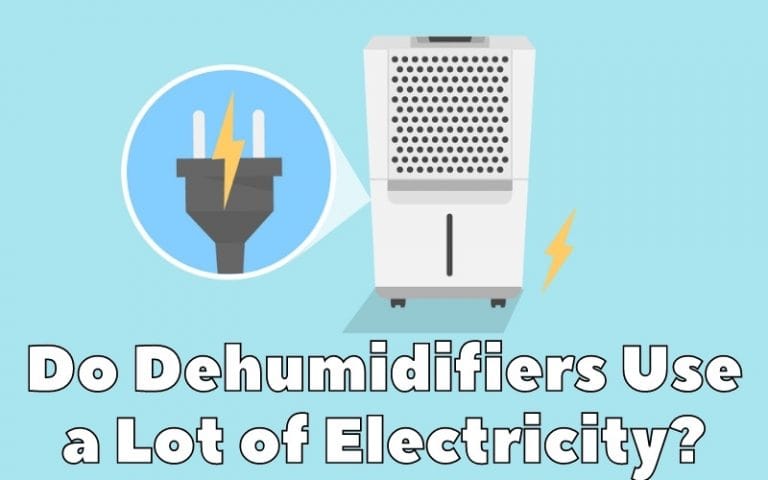
Okay, let's talk rough estimates. A typical dehumidifier might use anywhere from 200 to 400 watts. Now, to figure out how much that translates to in dollars and cents, you'll need to know the electricity rate in your area (check your electricity bill).
Let’s say your electricity rate is $0.15 per kilowatt-hour (kWh). A 300-watt dehumidifier running for 8 hours a day would use 2.4 kWh (300 watts / 1000 * 8 hours). At $0.15 per kWh, that's about $0.36 per day. Not too bad, right? But multiply that by 30 days, and suddenly you're looking at around $10.80 a month. Which, you know, could buy you a couple of fancy coffees.
Pro Tip: There are tons of online calculators that can help you estimate the energy consumption of your dehumidifier based on its wattage and your local electricity rates. Google is your friend!
Tips for Saving Energy (and Money!)
Want to minimize the impact on your wallet? Here are a few tricks:
- Choose the Right Size: Don't overkill it! Get a dehumidifier appropriate for the size of the space you're trying to dehumidify.
- Energy Star is Your Friend: Look for that little blue star!
- Optimize Placement: Put the dehumidifier in a central location with good airflow.
- Clean the Filter Regularly: A dirty filter makes the dehumidifier work harder.
- Use a Timer or Humidistat: Automate the on/off cycle to only run when needed.
- Seal Up Leaks: Prevent outside humidity from seeping in by sealing cracks and gaps.
- Consider a Whole-House Dehumidifier: If you have persistent humidity problems throughout your entire house, a whole-house system might be more efficient in the long run than running multiple smaller units. Think long-term investments, people!
So, does a dehumidifier use a lot of electricity? The answer, as with most things, is "it depends." But by being smart about your choice, usage, and maintenance, you can keep your basement dry and your electricity bill manageable. Now, if you'll excuse me, I'm off to clean my dehumidifier filter. Apparently, I've been slacking!

