
Does A Coffee Machine Use A Lot Of Electricity

Ever woken up, bleary-eyed, in a quest for that magical morning brew? The coffee machine whirs to life, a symphony of gurgles and drips, and then... a tiny, nagging thought pops into your head: "Is this thing sucking all the electricity out of my house?"
It's a common, delightfully quirky question that crosses many minds. We stand there, patiently waiting for our liquid gold, while simultaneously pondering the mysteries of kilowatts and power bills. Well, pull up a mug, because we're about to dive into this steaming hot topic with a splash of fun!
The Big Reveal: Does Your Coffee Machine Gobble Power?
Spoiler alert! The short answer is: not really, not in the way you might think. Phew! You can exhale that morning caffeine-fueled anxiety. Your daily cup isn't secretly bankrupting you on electricity. In fact, most coffee machines are surprisingly efficient little workhorses.
Must Read
Think of it like this: your coffee maker is a sprinter, not a marathon runner. It needs a big burst of energy to heat water super fast and get your brew going. But it doesn't run for hours on end. It's in and out, like a ninja. A very caffeinated ninja.
Watts Up With That? Understanding the Energy Sip
Most standard drip coffee makers hover around 800 to 1200 watts when they're actively brewing. Espresso machines, those fancy drama queens, can hit 1500 watts or even higher because they're pushing water under pressure and heating it intensely. But here’s the kicker: they only do this for a very short period.
To put it in perspective, your hairdryer uses a similar amount of power, if not more! And how long do you typically run that? Probably longer than your coffee maker brews. So, while the wattage looks high, the duration of its use is usually quite minimal.

Consider a typical 10-minute brewing cycle. Even at 1000 watts, that’s just 0.17 kilowatt-hours (kWh). At an average electricity price, we're talking pennies. Literal, actual pennies. Your morning ritual is pretty kind to your wallet, power-wise.
The Sneaky Sipper: Beware the Vampire Power!
Alright, so brewing isn't the problem. But there's a tiny, often overlooked energy culprit that might be lurking: standby power, also affectionately known as "vampire power." This is the energy your coffee machine uses when it's plugged in but not actively brewing. It's just sitting there, patiently waiting, often displaying a clock or a small LED light.
Think of it as a tiny, persistent energy snack. While individual appliances like a coffee machine might only draw 1-2 watts in standby, these little sips add up across all your devices. Over a year, that seemingly innocent clock display can quietly munch through a surprising amount of electricity.
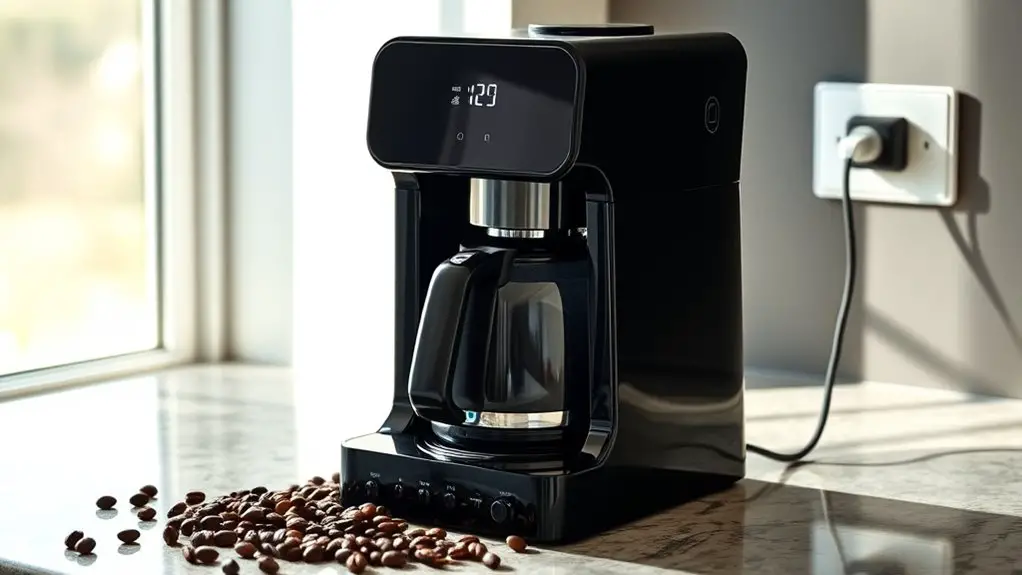
It's like having a tiny, silent party in your kitchen that's slowly, slowly depleting your energy reserves. Not cool, little light, not cool!
Different Brews, Different Views
Not all coffee makers are created equal, of course. A simple French press or pour-over setup? Practically zero electricity! You're the human element, boiling water separately (and probably more efficiently on a stove or with an electric kettle, which itself is another powerful, but short-duration, sprinter).
Single-serve pod machines like Keurigs or Nespresso also have a high wattage for their quick bursts. They're all about speed and convenience. The difference in their electricity use compared to a drip machine over a year is often negligible, though the environmental impact of the pods is a whole different discussion!

Those fancy espresso machines? They're the powerhouses, but they're also super quick. Plus, the joy of a perfectly pulled shot usually outweighs the tiny energy spike. It's a trade-off for liquid bliss!
Tips for the Eco-Conscious Coffee Lover
Want to be an energy superhero without sacrificing your coffee? Here are a few playful pointers:
- Unplug it! If your coffee maker has a clock or lights up when not in use, simply unplugging it after your morning brew eliminates vampire power. It's like giving your appliance a nice, long nap.
- Use a Smart Plug: These nifty gadgets let you schedule when your coffee maker turns on and off, or even control it from your phone. So you can wake up to the smell of coffee, without it idling all night. Future!
- Brew What You Drink: Don't make a whole pot if you only drink two cups. Less wasted coffee, less wasted energy keeping it warm.
- Consider an Electric Kettle: For pour-overs or French presses, a dedicated electric kettle heats water very efficiently. Just remember to only boil what you need!
The Real "Cost" of Your Coffee
Let's be real. The cost of electricity for your coffee machine is so minuscule, it's often dwarfed by other factors. We're talking about the price of the coffee beans themselves (especially those fancy single-origin ones!), the cost of filters, and the emotional investment of securing that perfect morning kickstart.
The biggest "energy" cost associated with your coffee isn't usually the machine itself, but all the processes involved in getting those beans from the farm to your cup: growing, harvesting, processing, shipping, roasting, and packaging. That's a much larger, more complex energy journey!
So, What's the Verdict?
Rest easy, fellow coffee enthusiasts! Your beloved coffee machine is not a secret energy hog. It's a loyal, hard-working appliance that provides immense joy for very little electricity. The tiny pennies you spend on power for your brew are a small price to pay for sanity and deliciousness.
So next time you're waiting for that glorious stream of coffee, instead of worrying about your power bill, just sit back, relax, and appreciate the humble, efficient machine that makes your mornings (and afternoons, and evenings) infinitely better. Cheers to that!