
Do You Need A License To Drive A Boat
Ever dreamt of captaining your own vessel, feeling the wind in your hair, and exploring hidden coves? Sounds idyllic, right? But before you start picturing yourself as a modern-day Magellan, let's tackle a crucial question: Do you actually need a license to drive a boat?
The short answer? It's a bit like asking if you need a license to ride a bike – it depends. And that's where things get interesting.
Navigating the Waters: It's Not All Smooth Sailing
Just like driving a car, operating a boat involves a certain level of responsibility. You're sharing waterways with others, potentially carrying passengers, and, let's face it, a boat can be a powerful machine. So, common sense tells you there should be some regulations in place, right?
Must Read
The truth is, boating regulations are a patchwork quilt, varying significantly from state to state (in the US) and country to country. What's okay in Florida might be a big no-no in California. Think of it as the difference between driving on the left in the UK versus driving on the right everywhere else. Different strokes for different folks, or in this case, different strokes for different waters!
In many places, the need for a boating license, often called a boater education card or a certificate of competency, depends on several factors. These can include:
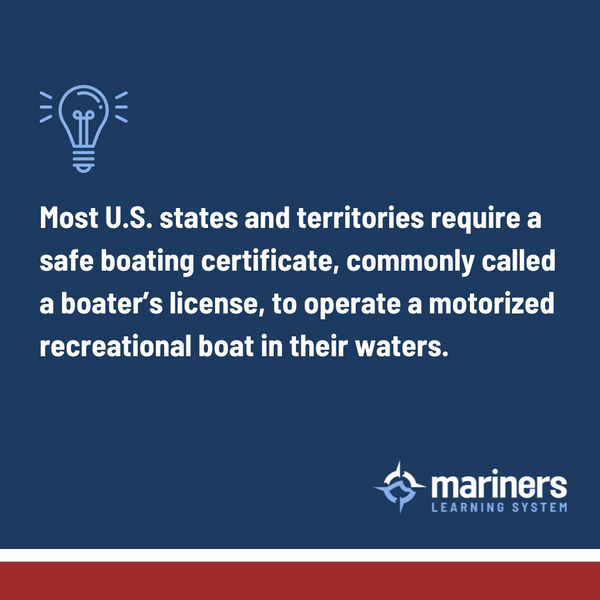
- Your age: Younger boaters often face stricter requirements. Makes sense, right? More experience usually translates to safer boating.
- The type of boat: A small, non-motorized kayak is vastly different from a 40-foot yacht. Regulations reflect that.
- The size of the boat: Similar to the type, larger and more powerful boats generally come with more stringent licensing needs.
- The engine horsepower: A tiny outboard motor is unlikely to require the same qualifications as a high-performance engine.
- The body of water: Some lakes or rivers might have specific local regulations that supersede general state laws.
See? It's not a simple yes or no. It's more like a choose-your-own-adventure guide to boating regulations!
Why Bother Getting Certified?
Okay, so maybe you live in a state where a license isn't strictly required for the type of boating you want to do. Why should you even bother getting certified? Great question! Here's the thing: even if it's not mandatory, taking a boater education course is almost always a fantastic idea.
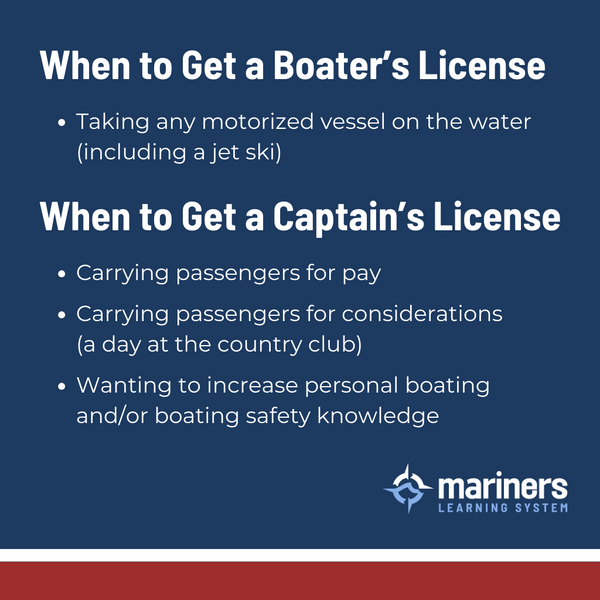
Think of it like this: you could probably figure out how to bake a cake without reading a recipe. But wouldn't the cake be more likely to turn out delicious if you followed expert instructions? Same goes for boating! A boater education course will teach you:
- Basic navigation skills: Understanding buoys, channels, and how to read a nautical chart is crucial for avoiding accidents and getting lost.
- Rules of the road (or water, in this case): Just like cars have traffic laws, boats have rules to prevent collisions.
- Safety procedures: Knowing what to do in an emergency, like a capsizing or a medical situation, can literally save lives.
- Environmental awareness: Responsible boating means protecting our waterways from pollution and damage.
Beyond the practical benefits, a boating safety course can also make you a more confident and responsible boater. You'll feel more comfortable handling your vessel and better equipped to deal with unexpected situations. Plus, some insurance companies offer discounts to boaters who have completed a certified course! It's a win-win.
Finding Your Way Through the Regulations
So, how do you figure out the specific boating regulations in your area? Luckily, there are plenty of resources available.
Start by checking the website of your state's boating agency (often part of the Department of Natural Resources or a similar organization). These websites usually have clear explanations of the licensing requirements, as well as information on approved boater education courses. You can also check with the U.S. Coast Guard Auxiliary for local information and courses.
Don't be afraid to reach out to local marinas or boating clubs for advice. Experienced boaters are usually happy to share their knowledge and point you in the right direction.

Ultimately, taking the time to understand and comply with boating regulations is an investment in your safety, the safety of others, and the health of our waterways. So, do your research, get educated, and then get out there and enjoy the open water with confidence!
Think of it like leveling up in a video game. Once you master the rules, you unlock new levels of boating fun and adventure.
Happy boating!