
Do You Have To Sign Termination Papers If You Quit
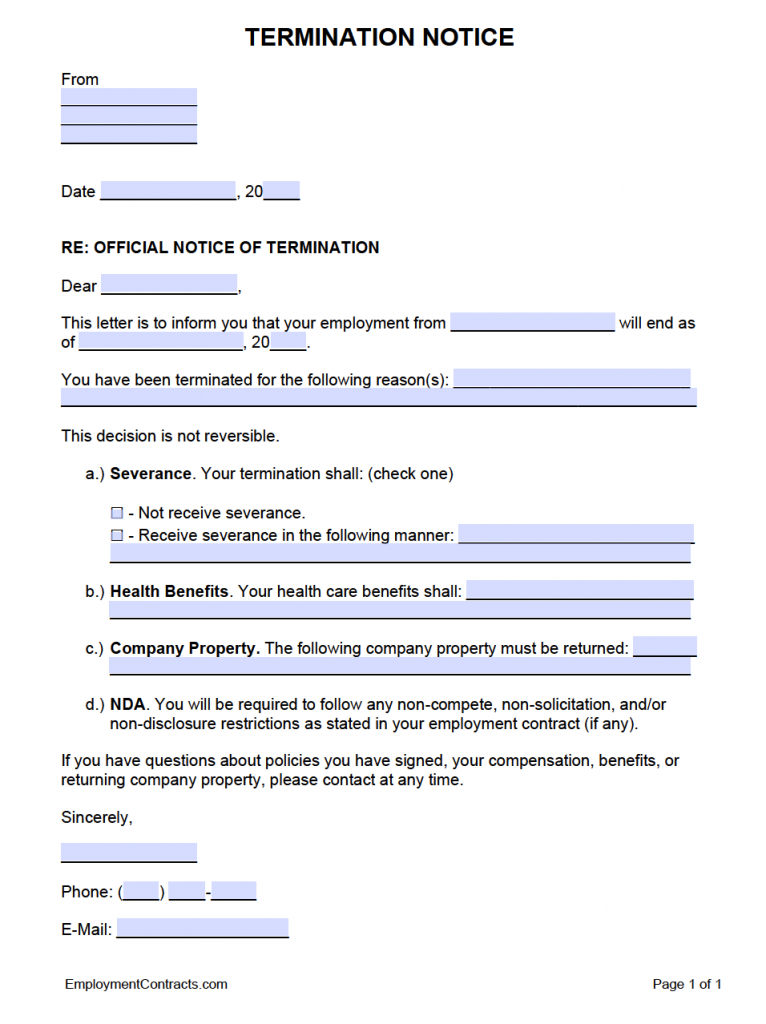
Picture this: you've made the big decision. You're spreading your wings, saying "hasta la vista, baby!" to your current gig. You've handed in your resignation, perhaps with a dramatic flair or maybe just a polite email. You’re practically floating on air, dreaming of new horizons, when suddenly... the papers arrive.
Your manager or HR person slides a stack across the table. They mention "termination papers" or "exit documents." A tiny panic might start to bubble up. Do you have to sign these? Is this some secret handshake to freedom, or a sneaky trap? Hold your horses, future superstar!
The Grand Reveal: Do You Have To Sign?
Here’s the glorious, confetti-strewn truth: generally speaking, when you quit, you are absolutely, positively, not obligated to sign anything called "termination papers." That’s right! You're largely in the driver's seat.
Must Read
Think of it like this: if you decide you’re done with a subscription service, you just cancel, right? You don't usually have to sign a "termination of service" document they send you afterwards. Your decision is the termination itself!
When you resign, you've already made your move. Your notice is your official statement. The act of saying "I quit" (or writing it down nicely) is the primary action.
Why Do They Even Bother with "Termination Papers" Then?
Ah, excellent question, my curious friend! It’s mostly about two things: their records and sometimes, their peace of mind. Companies, especially larger ones, love their paperwork. It’s how they keep things tidy on their end.
These "termination papers" are often just a formal way for the company to document that you initiated the separation. It confirms your last day, perhaps your final pay details, or even acknowledges the return of company property like your fancy laptop or that beloved coffee mug with the company logo.

Imagine your company as a meticulous librarian. They just want to make sure every book has a proper due date stamp, even if you’re the one bringing it back early!
They might want you to sign a document that simply states, "Yes, I, [Your Name], confirm that I am voluntarily resigning from [Company Name] on [Date]." This isn't a magical binding spell; it's just them wanting a neat little bow on their internal files.
It helps them process your final paycheck correctly. It ensures they update their system to show you've left voluntarily. This is important for things like unemployment benefits, which you generally aren't eligible for if you quit.
But What About the "Scary" Stuff?
Now, sometimes, these papers might contain a little more jazz. Maybe there's a reminder about a non-compete clause you signed way back when you started. Or perhaps a confidentiality agreement.
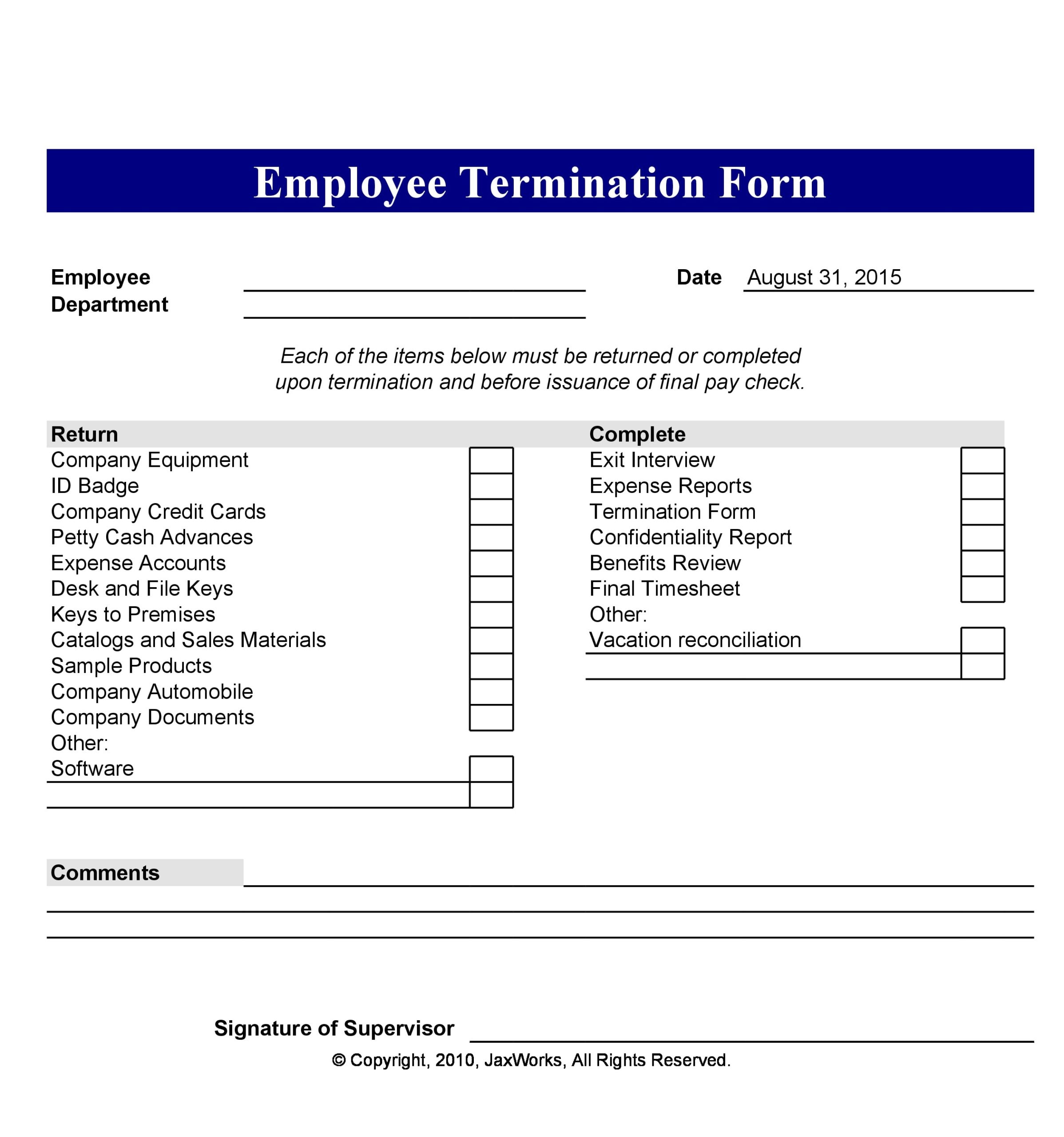
Here's the key: if you already signed those agreements when you were hired, those terms usually still stand! Signing a new "termination paper" doesn't suddenly make them more or less valid. It's just a friendly (or sometimes not-so-friendly) reminder.
What if they're offering you something new? Like, "Sign this paper and we'll give you a bonus on your way out!" or "Sign this and we'll pay for your moving expenses!" Well, that's a different kettle of fish altogether. If they're offering you a benefit in exchange for your signature, then you absolutely should read it carefully and decide if it's a good deal for you. That's a negotiation, not a mandatory formality.
But when you're just quitting, and they're not offering you any special goodies for signing, their "termination papers" are usually just... well, papers. For their records.
Your Superpower: Saying "No, Thank You!" (Politely)
You have the power to simply decline to sign. You can politely say, "Thank you, but I don't feel it's necessary for me to sign this document, as my resignation has already been submitted." Or, "I appreciate you providing this for your records, but I'm comfortable with my written resignation serving as my official notice."
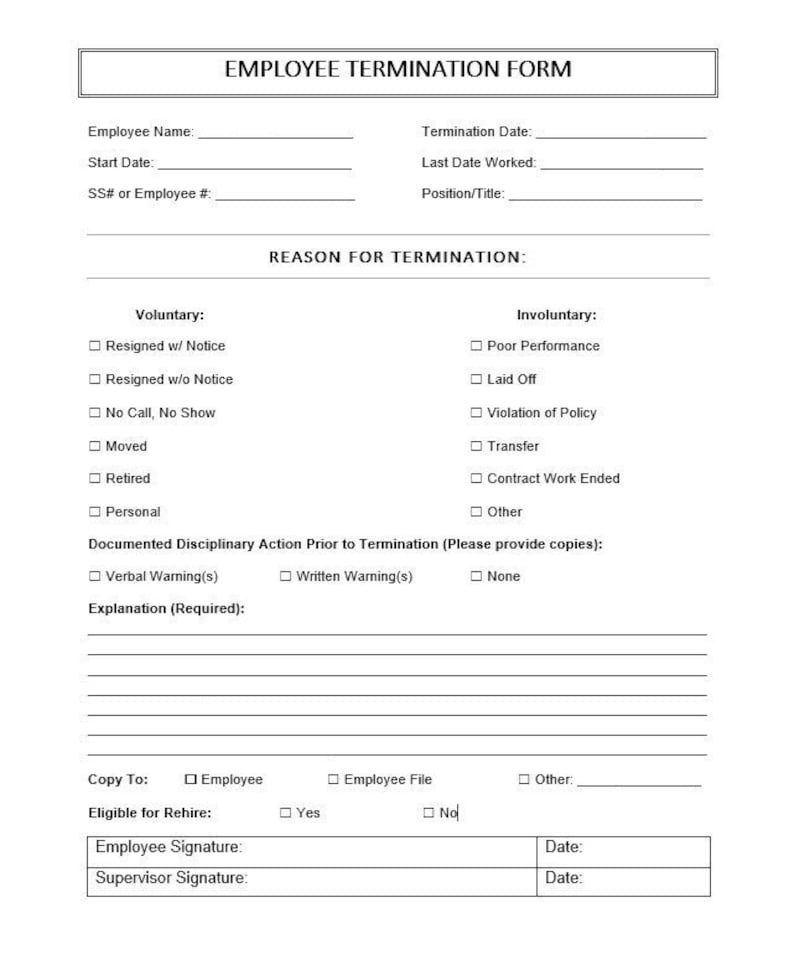
It might feel a little awkward, like refusing a second slice of cake (even if you're stuffed!). But remember, you're not doing anything wrong. You're simply exercising your right as an employee who is voluntarily leaving.
Will they be annoyed? Maybe a little, if their HR process is super rigid. But they can’t force you to sign. They can't lock the doors until you put pen to paper. They can't withhold your final paycheck just because you didn't sign their internal forms. Your final wages are protected by law, regardless of whether you sign their farewell paperwork.
You're not signing off on a secret space mission; you're just leaving a job. Keep it simple, keep it breezy!
A Quick Checklist for the Quitting Conqueror:
1. Confirm your resignation in writing: An email to your manager and HR is usually perfect. State your last day clearly. Keep a copy!
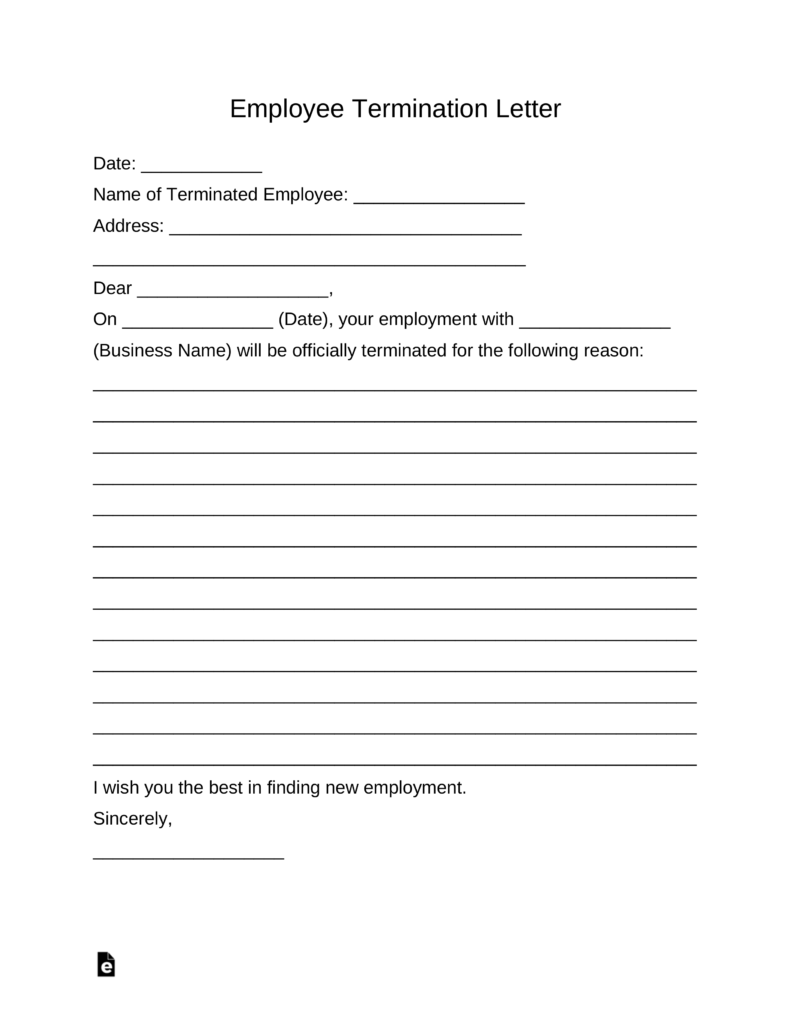
2. Understand what they're giving you: If they do offer papers, skim them. Are they just confirming your resignation? Are they asking you to agree to new terms? If it's just a confirmation, you can decline to sign.
3. Don't sign anything you don't understand or agree with: This is a golden rule in life, not just quitting a job. If there's anything fishy, anything new, or anything that makes you uncomfortable, don't sign.
4. Know your rights: Your final paycheck, any accrued vacation pay, and your ability to collect personal belongings are not tied to signing their internal exit documents.
So, Go Forth and Conquer!
You’re quitting a job, not signing away your soul. The power is truly in your hands when you're the one making the choice to leave. Don't let a stack of papers dim your celebratory glow!
Embrace the freedom, enjoy the transition, and walk out with your head held high, knowing you handled your departure like a true pro. You’ve got this, future adventurer!