Do Taking Vitamins Break Your Fast
Intermittent fasting (IF) is all the rage, and for good reason! People are using it to manage their weight, boost their brainpower, and even improve their overall health. But with any eating schedule, questions arise. And one of the most common? "Do my vitamins break my fast?" It's a great question, because nobody wants to unintentionally sabotage their hard work, and everyone wants to get their nutrients!
Let's dive into the purpose and benefits of both intermittent fasting and vitamins, then explore how they interact.
Why Intermittent Fasting? IF isn't about what you eat, but when you eat. Common methods include the 16/8 method (16 hours of fasting, 8 hours of eating) and the 5:2 method (eating normally for 5 days, restricting calories for 2). The potential benefits are numerous: weight loss, improved insulin sensitivity, boosted brain function, and even potential longevity benefits. During the fasting period, your body switches from burning glucose (sugar) to burning stored fat for energy. This metabolic shift is a key reason why IF is so popular.
Must Read
Why Vitamins? Vitamins are essential micronutrients that our bodies need to function properly. They play a crucial role in everything from energy production to immune function. While a balanced diet should ideally provide all the vitamins we need, many people fall short due to dietary restrictions, lifestyle factors, or underlying health conditions. That's where supplements come in, aiming to fill in the gaps and ensure we're getting the nutrients we need to thrive.
So, Back to the Million-Dollar Question: Do Vitamins Break a Fast? The answer, like many things in nutrition, is: it depends! The primary goal of IF is to keep insulin levels low during the fasting period. Anything that significantly raises insulin levels is generally considered to break the fast.
Here's a breakdown:

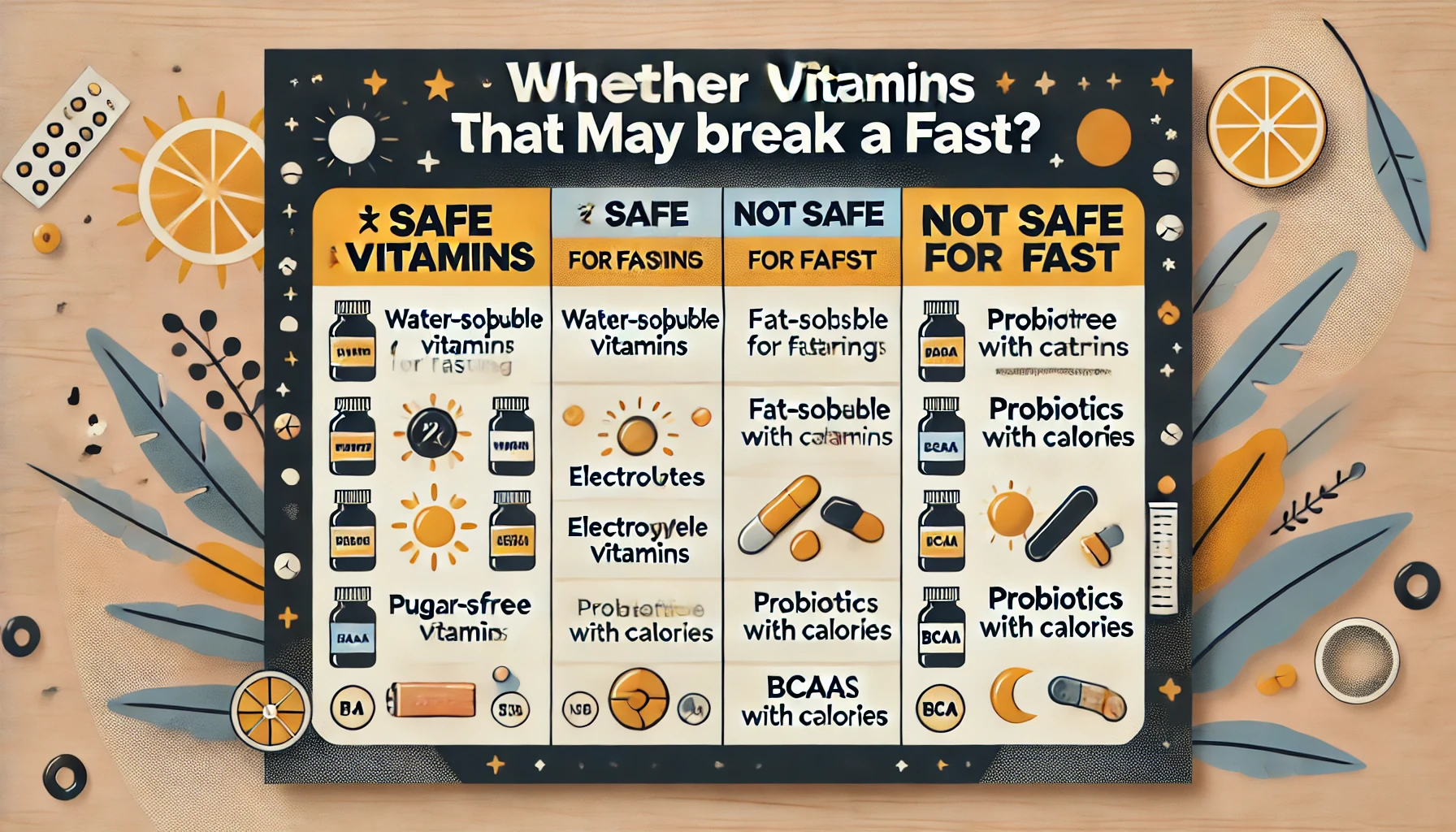
- Water-soluble vitamins (like vitamin C and B vitamins): These are generally considered okay to take during a fast. They're unlikely to significantly spike insulin levels.
- Fat-soluble vitamins (like vitamins A, D, E, and K): These are best absorbed with food. Taking them on an empty stomach might reduce their absorption. While they contain negligible calories, taking them with a small amount of healthy fat during your eating window can improve their effectiveness.
- Gummy vitamins: Avoid these during your fasting period! They're often loaded with sugar and calories, which will definitely break your fast.
- Multivitamins: Read the label carefully. If they contain added sugars or fillers, it's best to take them during your eating window.
- Specific supplements (like protein powders or branched-chain amino acids (BCAAs)): These definitely break a fast. They contain calories and can stimulate an insulin response.
The Bottom Line: Focus on the ingredients list! Choose vitamin supplements that are free of added sugars, fillers, and unnecessary calories. If in doubt, take your vitamins during your eating window. And of course, always consult with your doctor or a registered dietitian to determine what's best for your individual needs and health goals.
By understanding the principles of intermittent fasting and the role of vitamins, you can successfully incorporate both into your routine for optimal health and well-being. Happy fasting!