
Do Stop Losses Work After Hours
Okay, so picture this: I'm making a killer lasagna, right? Layers of deliciousness, bubbling cheese, the whole shebang. I set a timer, thinking, "Perfect! No way this can burn." Walk away, get distracted by a TikTok of a cat playing piano (don't judge!), and BAM! Burnt offering. My point? Even with safeguards in place, stuff can still go sideways, especially when you're not looking. Which brings us to… stop losses and after-hours trading.
Ever wonder if those nifty little stop-loss orders you've meticulously set up actually work when the market's snoozing? Good question! Let's dive in and find out if they're protecting your portfolio 24/7, or if they're more like that cat-piano TikTok – entertaining, but ultimately not that reliable in a crisis.
What Even Is a Stop-Loss, Anyway?
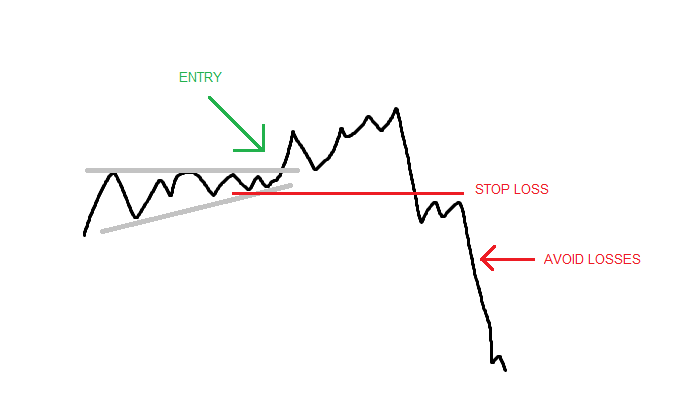
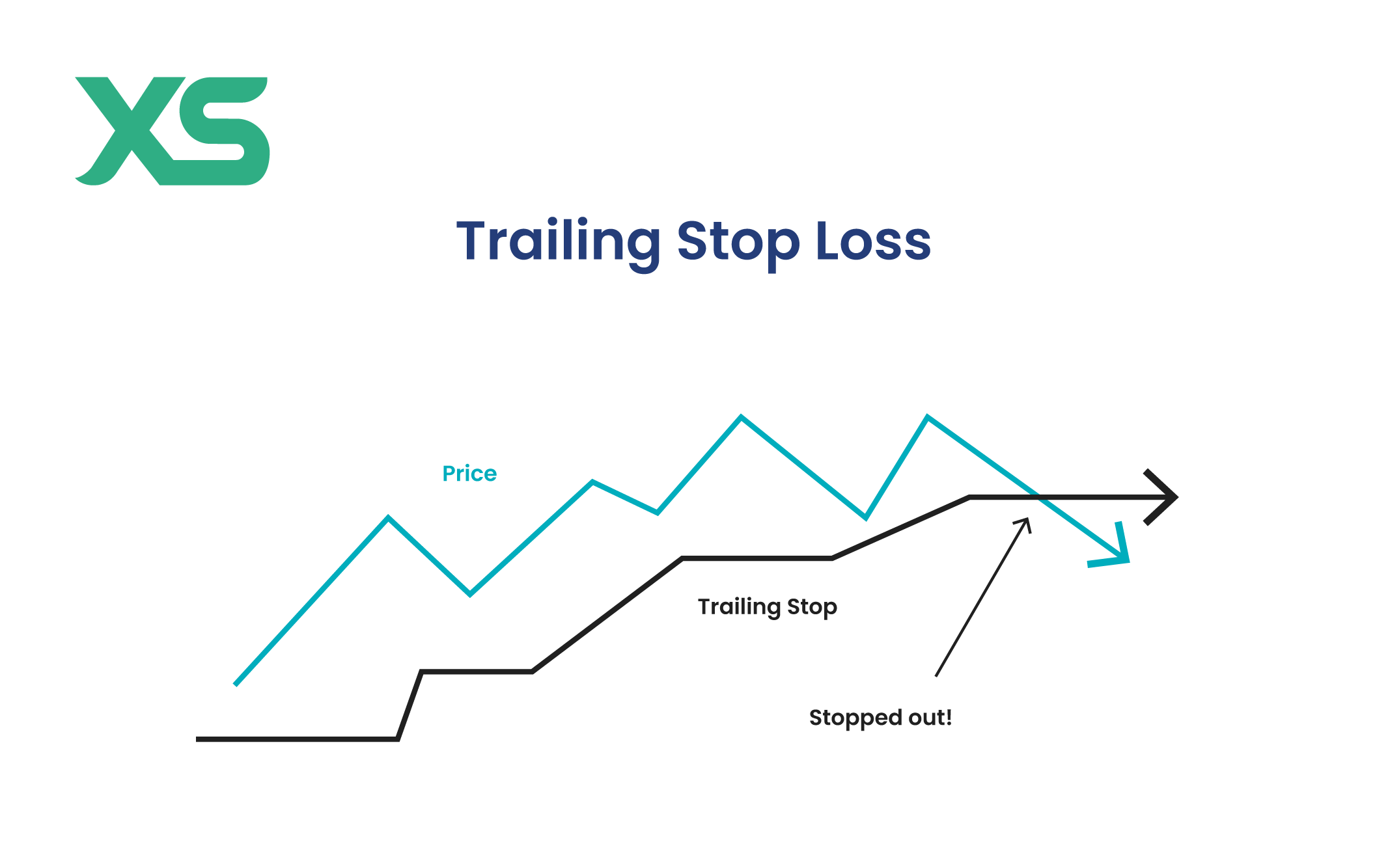
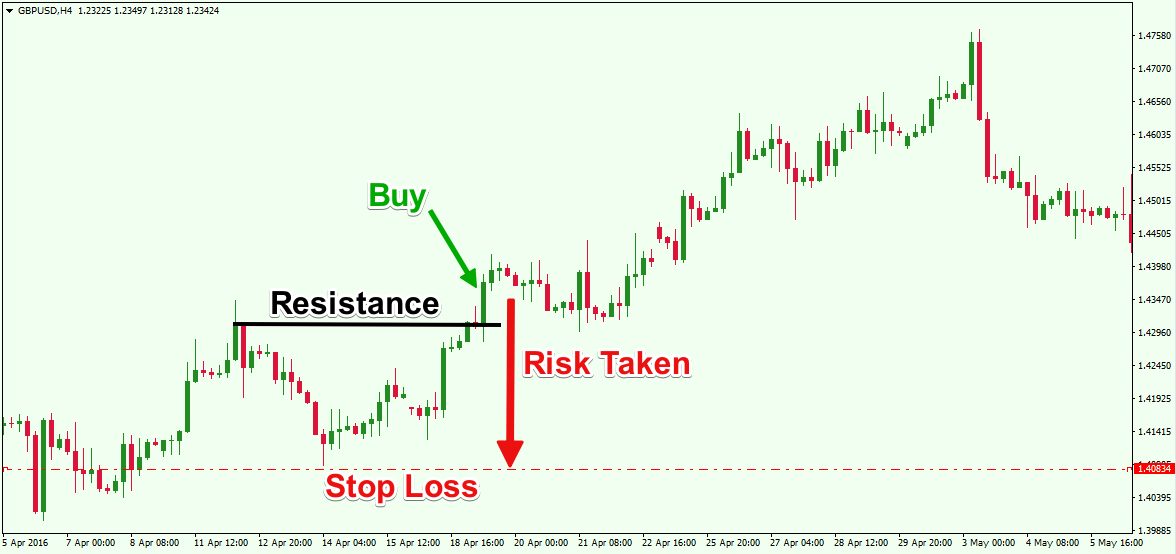
For the uninitiated (or those who slept through that particular investing lecture – no shame!), a stop-loss order is basically an instruction to your broker: "If this stock hits this price, sell it immediately." It's designed to limit your losses if a stock you own suddenly tanks. Think of it as a financial seatbelt. Hopefully you never need it, but you're glad it's there.
Must Read
You tell your broker, "Hey, if my share of Company XYZ drops to $50, sell it!" If the market cooperates and Company XYZ actually hits $50 during normal trading hours, your order gets triggered, and hopefully, you're spared from even bigger losses. Easy peasy, right?
(Side note: Remember, nothing in the market is ever truly “easy peasy.” Always do your own research! I'm just a friendly voice on the internet, not your financial advisor.)
The After-Hours Conundrum
Here's where things get a little… murky. Regular trading hours are typically 9:30 AM to 4:00 PM EST. But the market doesn't just magically disappear after 4 PM. There's after-hours trading, and pre-market trading, where prices can still fluctuate – sometimes wildly.
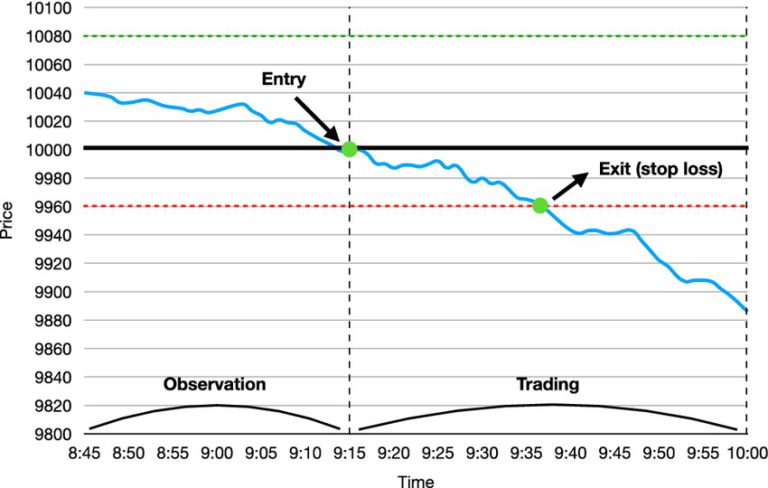
The problem is, most standard stop-loss orders are only active during those regular trading hours. Meaning, if bad news breaks about Company XYZ after 4 PM and the stock price plummets to $40 in after-hours trading, your $50 stop-loss order will be sitting there, twiddling its thumbs, completely useless. You'll wake up the next morning to a nasty surprise.
(I know, I know, it's not ideal. But knowledge is power! And now you're armed with some valuable info.)
So, Are Stop Losses Useless After Hours?
Not necessarily! There are things you can do. Some brokers offer extended-hours trading and allow you to place stop-loss orders that are valid during those times. These are often called "extended-hours stop-loss orders" or have similar variations.
However, be warned! Trading volume is usually much lower after hours, which means:
- Prices can be more volatile.
- Your stop-loss might get triggered at a price that's significantly different from what you expected.
Think of it like this: imagine trying to sell your house in the middle of the night. Fewer buyers around, right? You might have to take a lower offer just to get rid of it.
Alternatively, you could consider using a guaranteed stop-loss order. These guarantee that your shares will be sold at the price you specify, regardless of after-hours gaps or market volatility. However, they usually come with a fee.

The Bottom Line
Do stop losses work after hours? The simple answer is: it depends. It depends on your broker, the type of stop-loss order you're using, and whether you've enabled extended-hours trading. It's crucial to understand the limitations of your stop-loss orders and whether they’re configured in a way that suits your trading style and risk tolerance.
Don't just assume your stop-loss is protecting you 24/7. Call your broker. Read the fine print. Ask questions. Because the last thing you want is to wake up to a financial lasagna that's completely burnt to a crisp.
And hey, maybe lay off the cat-piano TikToks while you're at it. Just kidding (mostly!). Happy investing!