
Do Smoke Detectors Need To Be Hardwired
Okay, let's talk about something that might seem a bit... dry, but trust us, it's the kind of adulting topic that gives you serious peace of mind. We're diving into the world of smoke detectors, specifically the age-old question: do they need to be hardwired?
You know that little disc on your ceiling? The one that usually remains silent, until it decides to emit that infamous, ear-splitting chirp at 3 AM, sending you on a frantic quest for a ladder and a fresh 9-volt battery? Yep, that's our hero. But beyond the midnight alarm drills, there's a whole system at play, and understanding it is key to truly protecting your cozy kingdom.
The Case for Hardwiring: The VIP Treatment
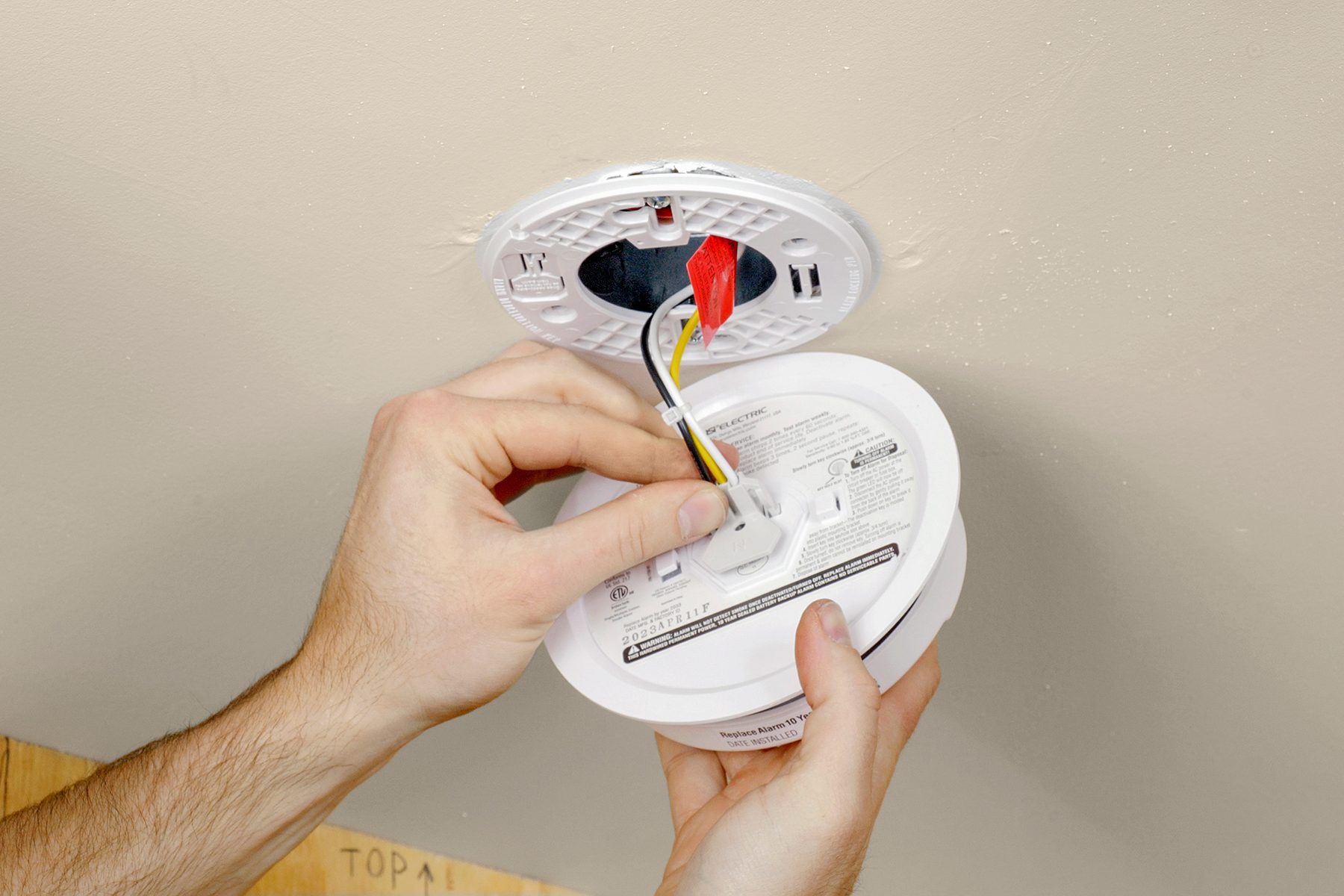
Imagine your smoke detectors as a highly efficient, interconnected security team. That's essentially what hardwired systems offer. When we say hardwired, we mean these detectors are directly connected to your home's electrical system. They're not just running on batteries; they're plugged into the matrix, if you will.
Must Read
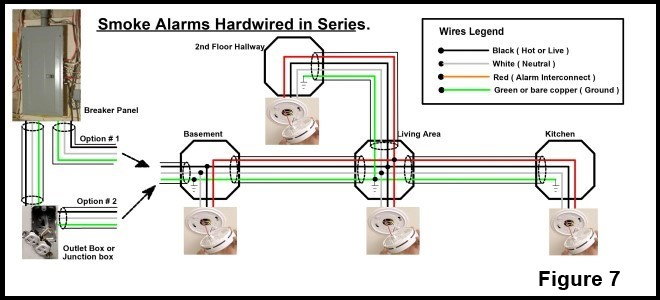
The biggest perk? Interconnectivity. This is the game-changer. If one hardwired smoke detector senses trouble – say, a forgotten pizza in the oven on the first floor – all the other hardwired detectors in your home will also sound the alarm. This means if you're sleeping soundly upstairs, you'll get an alert immediately, giving you crucial extra seconds to react. It's like a domino effect of safety, and it's incredibly effective, especially in larger homes.
Another benefit is consistent power. While most hardwired units still have a battery backup (hello, power outages!), their primary power source is your home's electricity. This significantly reduces the chances of them dying silently because you forgot to swap out a battery. Think of it as having a dedicated power line for your safety squad.
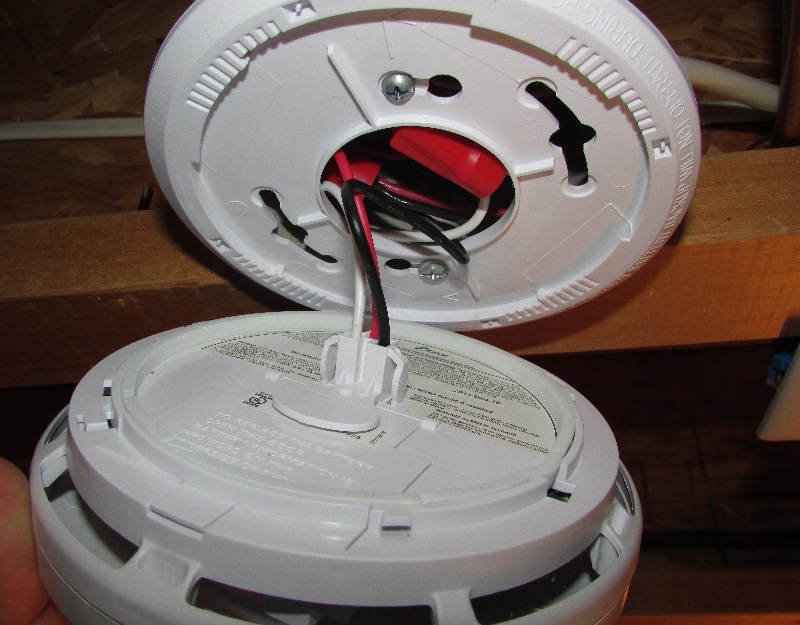
Many building codes, especially for new constructions or major renovations, actually require hardwired, interconnected smoke detectors. So, if you're building new or giving your home a significant facelift, this isn't just a suggestion; it's often the law of the land. It's the grown-up version of following the rules, ensuring everyone's safety meets a certain standard.
When Battery-Operated Shines (and When It Doesn't)
On the flip side, we have the standalone, battery-operated smoke detectors. These are your DIY champions. Easy to install, no electrician needed, and super flexible. You can pop them up wherever you need an extra layer of protection, like in a detached garage or a guest house that isn't connected to the main system.

However, their biggest strength is also their Achilles' heel: battery dependence. If you're not diligent about replacing those batteries (remember the 3 AM chirp?), your safety net could have holes. Unlike their hardwired cousins, these typically aren't interconnected. So, if a fire starts in the basement and you have a battery unit there, only that unit will sound, potentially delaying the warning to other parts of the house.
They're fantastic as supplementary detectors or in situations where hardwiring isn't feasible (think rental apartments where you can't alter wiring). But for primary protection in a family home, especially multi-story ones, they might not offer the comprehensive coverage you truly need.
The Practical Scoop: What You Should Do
So, what's the verdict? For optimal safety and peace of mind, especially in a home you own, hardwired, interconnected smoke detectors are the gold standard. They provide that critical early warning system that can literally save lives and property.
Here are some pro tips for your safety journey:
- Check Your Local Codes: Always, always, always check your local building codes. They dictate the requirements for smoke detectors in your area, and these can vary!
- Test Monthly: Regardless of type, press that "test" button once a month. It's like a tiny, self-administered pop quiz for your home's safety.
- Battery Backup is Key: Even hardwired units need battery backup. Change these batteries at least once a year (a good time is when daylight saving time changes, "spring forward, fall back, change your batteries!").
- Know the Expiry Date: Smoke detectors aren't forever! They have a lifespan, usually 7-10 years. Look for a manufacturing date on the back and replace them when they expire. Their sensors degrade over time.
- Placement Matters: Install detectors inside every bedroom, outside every sleeping area, and on every level of your home, including the basement.
- Consider Carbon Monoxide: While we're talking detectors, remember Carbon Monoxide (CO) alarms. CO is an invisible, odorless killer, and combo smoke/CO detectors are a smart investment.
Ultimately, whether hardwired or battery-operated, having working smoke detectors is non-negotiable. They are one of the simplest yet most effective tools for preventing tragedy. Investing a little time and thought into your home's fire safety isn't just about ticking off an adulting chore; it's about safeguarding the people and memories within those walls. It's about that deep breath of relief, knowing you've done your part to keep your haven, well, safe and sound.
:max_bytes(150000):strip_icc()/install-hardwired-smoke-detectors-1152329-08-7adda3e3f25b408ca859f1f792f626e3.jpg)