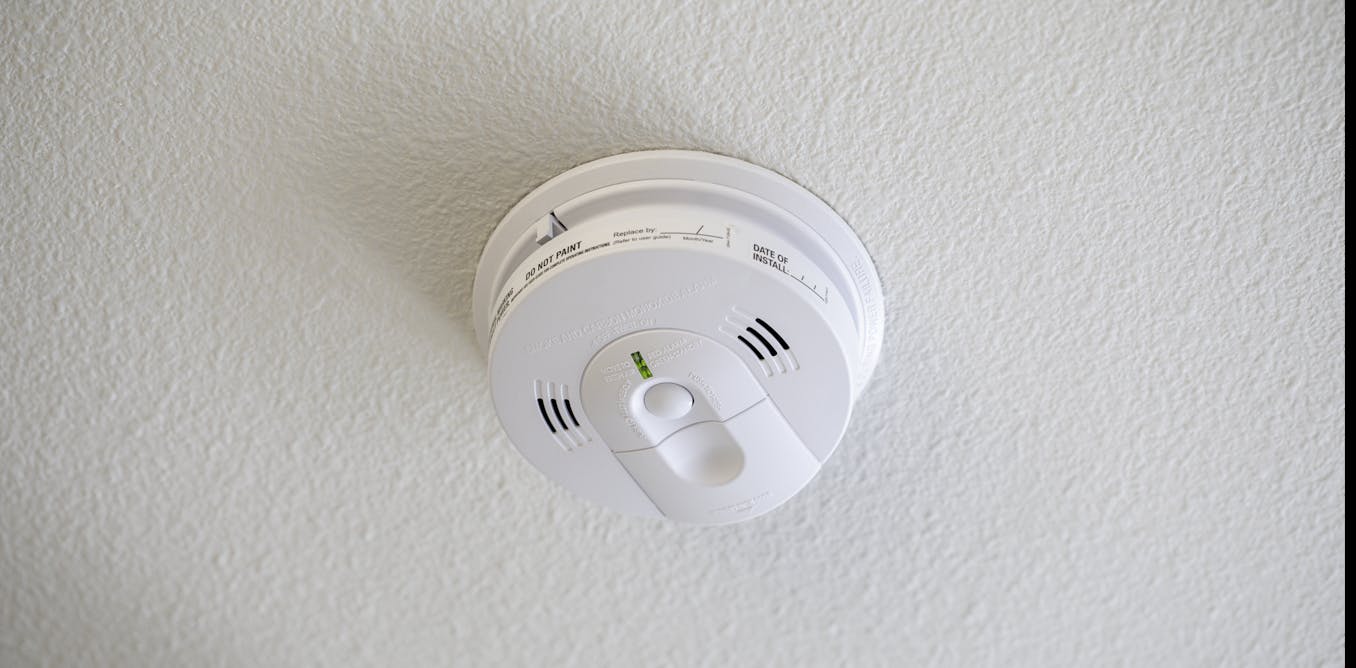
Do Smoke Alarms Go Off When Low Battery
Ah, the unmistakable sound. It usually strikes in the dead of night, a sudden, sharp, and utterly maddening
And to answer the burning question that has undoubtedly kept many a tired soul from a good night’s sleep:
Understanding this seemingly annoying quirk offers a surprising array of benefits, turning a moment of frustration into one of empowerment and preparedness. For the casual homeowner, knowing the 'why' behind the chirp means you can quickly identify the problem, avoiding unnecessary panic or a futile search for an imaginary fire. It’s like learning the secret language of your home's silent sentinels! You become a
Must Read
Think of it as your smoke alarm’s way of saying, "Hey! My power is waning, and I need a quick boost to keep doing my job." This early warning system ensures that even if you're deep in slumber, or away from home for a short period, you'll be alerted to replace the battery
/cloudfront-us-east-1.images.arcpublishing.com/pmn/BG2LNSRUABGJPF33HNIVIJOR64.jpg)
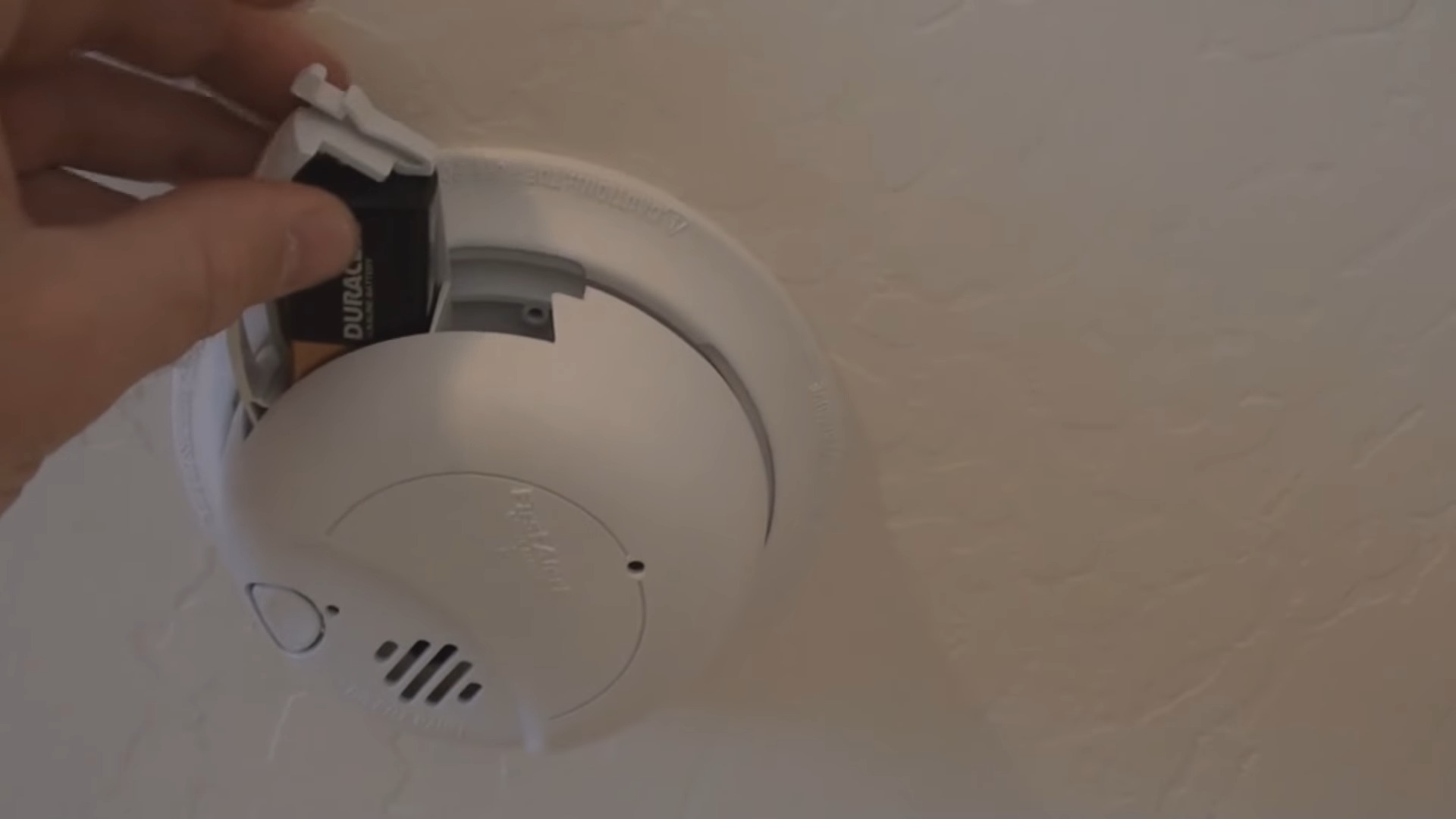
So, what should you do when this little harbinger of battery depletion starts its song? Here are some simple, empowering tips for tackling it at home:
Don't ignore it! That chirp isn't going to fix itself, and it's there for your safety.Locate the culprit: Often the trickiest part! Walk slowly, listening carefully. The chirps are louder near the source.Change the battery immediately: Most residential smoke alarms use a 9-volt battery, though some newer models might use AA or AAA. Check your unit for the correct type.Test it: After changing the battery, press the test button to ensure it’s working correctly. A loud, continuous alarm should sound.Schedule regular changes: A great habit is to replace all your smoke alarm batteries twice a year, perhaps when you change your clocks for Daylight Saving Time.Know its age: Smoke alarms themselves don't last forever. Most manufacturers recommend replacing the entire unit every 8-10 years.
Ultimately, there's a quiet satisfaction in understanding the mechanics of your home. The low-battery chirp, once a source of annoyance, becomes a gentle reminder of constant protection. It’s not just a beep; it's a tiny, powerful voice ensuring your peace of mind. And in a world full of complex challenges, solving a simple household mystery and ensuring your family's safety feels like a small, yet immensely