Do Smoke Alarms Detect Carbon Monoxide
Ever found yourself staring up at that little disc on your ceiling, maybe when testing it or changing batteries, and wondered, "What else does this thing do?" It’s a common thought! We all know smoke alarms are crucial for detecting fires, but what about other invisible household dangers? Specifically, do these trusty guardians also pick up on carbon monoxide, that notorious "silent killer"? It's a really good question, and understanding the answer isn't just a bit of fun trivia; it's essential for keeping your home and loved ones truly safe.
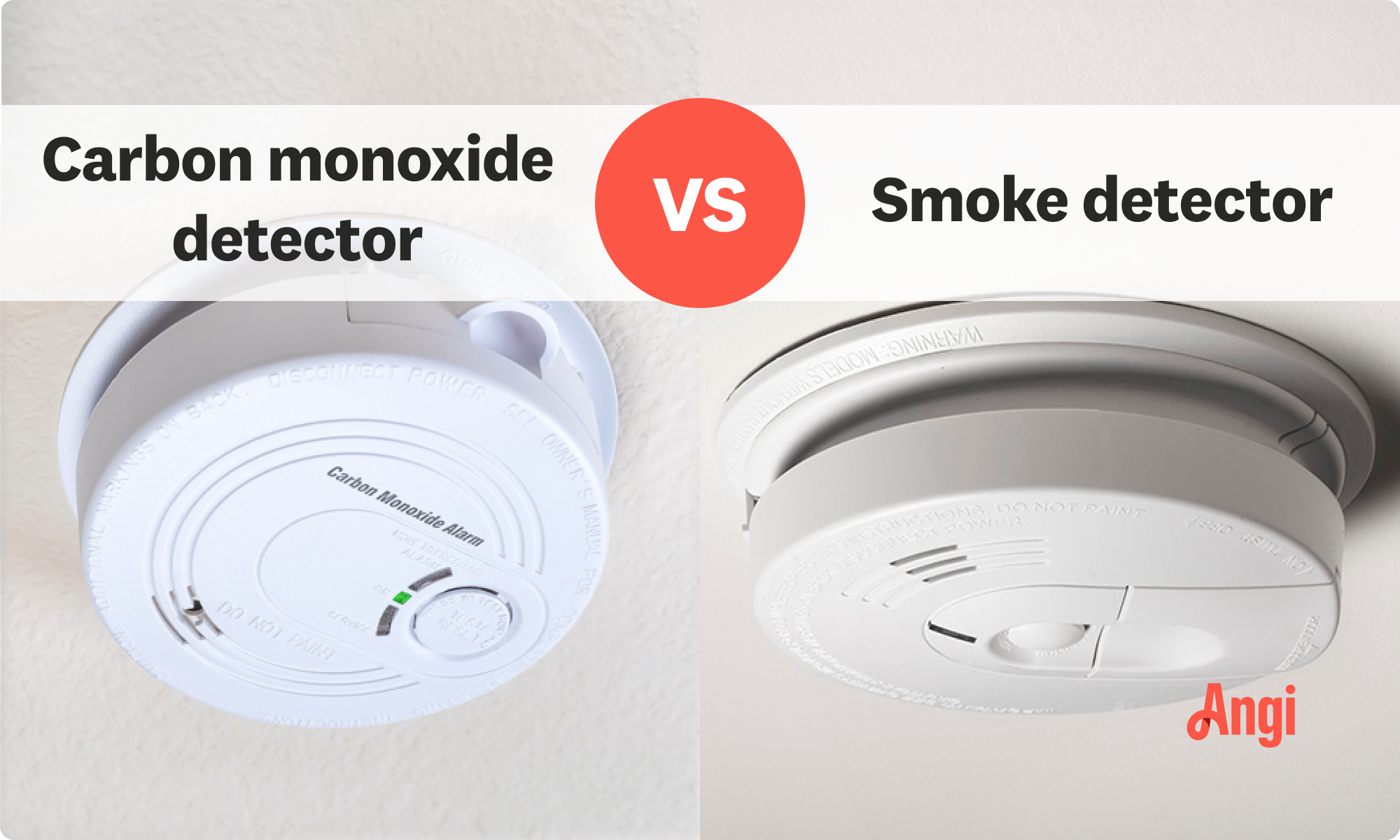
The short and crucial answer is: no, not typically. Traditional smoke alarms are specifically designed to detect smoke particles – the visible and invisible byproducts of something burning. They use either ionization sensors (which detect tiny, invisible combustion particles) or photoelectric sensors (which are better at spotting larger, visible particles from smoldering fires). Carbon monoxide, on the other hand, is an invisible, odorless, tasteless gas. It requires a completely different type of sensor to detect its presence. So, while both are vital safety devices, they have distinct jobs and are built for different threats.
The purpose of a dedicated carbon monoxide (CO) detector is singular: to alert you to unsafe levels of CO in your home. This gas is a byproduct of incomplete combustion, meaning it can leak from faulty furnaces, water heaters, gas stoves, fireplaces, or even cars left running in an attached garage. The scary part is that you can’t sense it yourself, which is why having a detector is a life-saving benefit. These specialized alarms feature an electrochemical sensor that reacts specifically to CO gas, sounding an alarm before levels become dangerous to human health. Think of it like needing both a good doctor for your general health and an optometrist for your eyes – each specializes in a different, important area.
Must Read
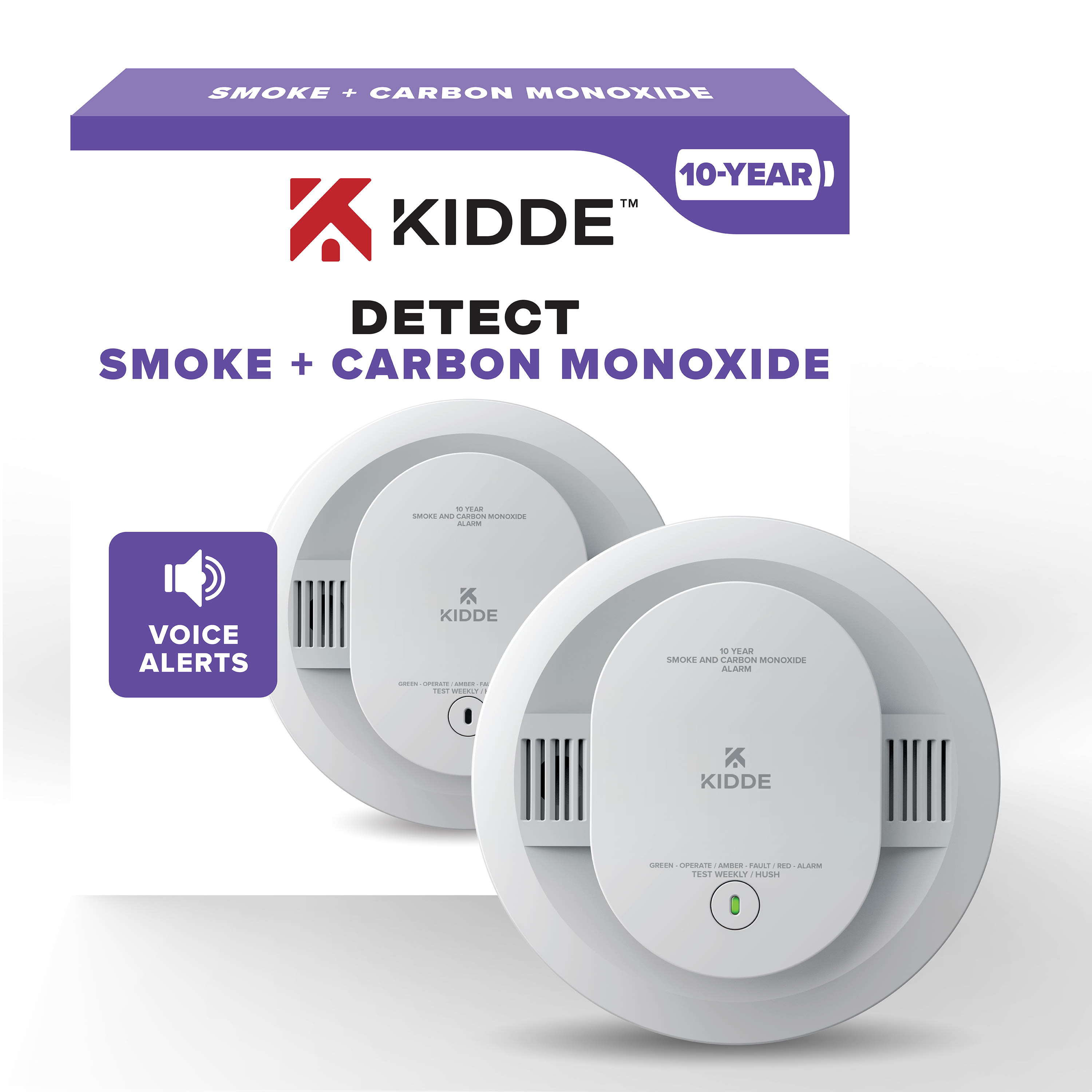
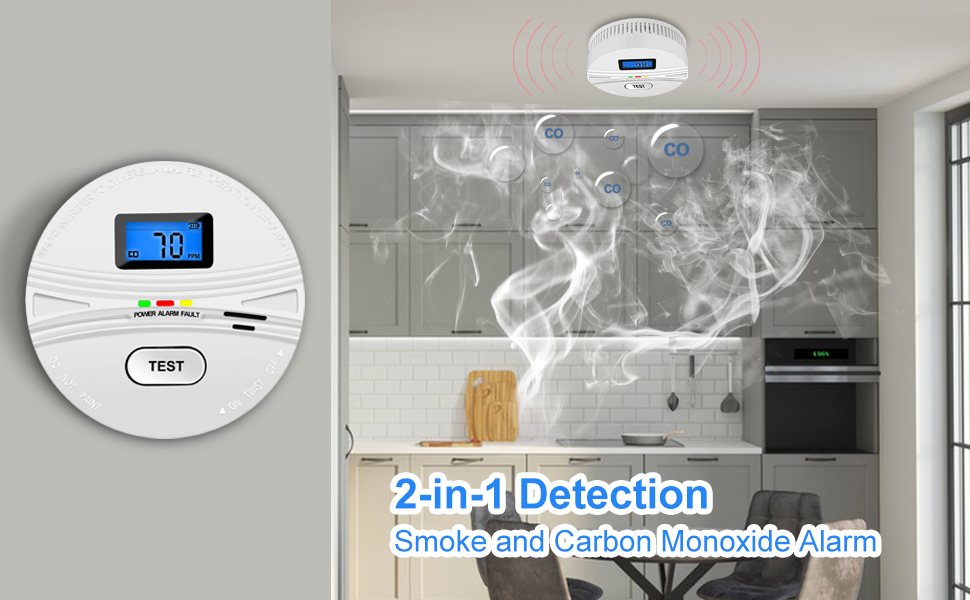
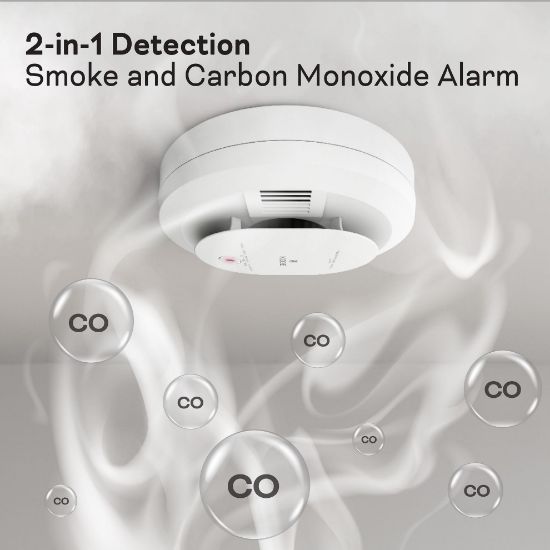
In our daily lives, understanding this difference translates directly into how we protect our homes. For educational purposes, many fire safety programs emphasize that you need both smoke alarms AND carbon monoxide detectors for comprehensive protection. Imagine a home safety checklist: placement of smoke alarms on every level and inside/outside sleeping areas, and CO detectors near sleeping areas and anywhere combustion appliances are used. You might even come across "combination alarms" which are a fantastic modern solution, integrating both smoke and CO detection into a single unit. These dual-purpose devices are great for simplifying installation and ensuring you're covered for both dangers.
So, how can you explore this practically? First, take a curious look at your existing alarms. Do they explicitly state they detect both smoke AND carbon monoxide? If not, and you have gas appliances, a fireplace, or an attached garage, it's a strong indicator you might need to invest in dedicated CO detectors or upgrade to combo units. Place CO detectors on every level of your home, especially near sleeping areas and combustion sources. Remember to test all your alarms regularly with the test button, change batteries annually (or follow manufacturer recommendations), and replace the entire unit every 5-10 years, as their sensors can degrade over time. Knowing the difference between these vital alarms empowers you to create a much safer environment for everyone under your roof!