Do Led Lights Use A Lot Of Electricity

Have you ever found yourself admiring a string of twinkling LED fairy lights, or noticed how bright and clear the new LED streetlights are, and then a little thought bubbles up: "Do LED lights use a lot of electricity?" It’s a fantastic question, and one that's becoming more relevant every day as these tiny marvels illuminate more and more corners of our lives. Far from being a dry topic, understanding how LEDs work is actually quite fun, revealing a little secret about modern efficiency that can save you money and help the planet.
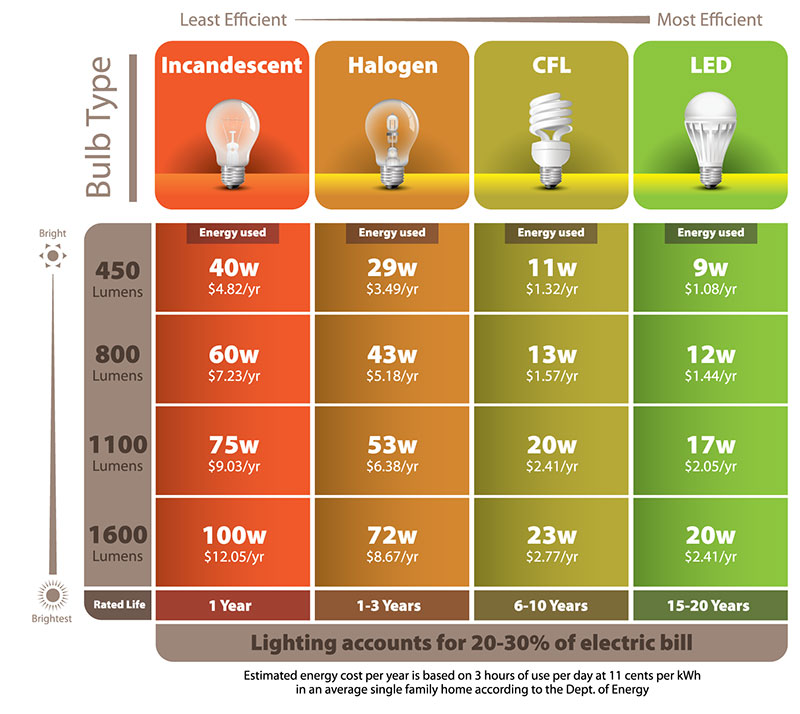
So, what's the big deal with these Light Emitting Diodes, or LEDs? Their main purpose, put simply, is to create light with incredible efficiency. Unlike old incandescent bulbs that waste most of their energy as heat, LEDs convert almost all of their electricity directly into light. This means they require significantly less power to produce the same amount of brightness, or even more. The benefits are huge: we're talking about drastically lower electricity bills, a much longer lifespan for the bulbs (sometimes tens of thousands of hours!), and a cooler operating temperature, which also reduces the load on your air conditioning. It’s a win-win for your wallet and the environment, as less energy consumed means fewer greenhouse gas emissions.
You might not even realize how much LEDs have already become a part of your daily life. From the glowing numbers on your alarm clock and the vibrant screens of your smartphone and TV, to the bright, crisp headlights of modern cars and the energy-saving illumination in your home, LEDs are truly everywhere. In an educational context, they're brilliant tools for demonstrating basic electrical circuits in science classes, allowing students to easily see how little power is needed to light them up. They also serve as a practical example of sustainable technology and energy conservation, sparking conversations about a greener future.
Must Read
Curious to explore this a bit more yourself? It's incredibly simple! One of the easiest practical tips is to start swapping out your old incandescent or even CFL bulbs for LED alternatives around your home. Pay attention to your electricity bill over the next few months – you might be pleasantly surprised by the change. Look for products with an ENERGY STAR rating, which signifies top-tier energy efficiency. If you're feeling adventurous, you could even try a basic DIY project, like creating a simple battery-powered night light with a few LEDs and a resistor – you'll quickly grasp just how minimal their power requirements truly are. Another fun experiment is to hold your hand near an old incandescent bulb that's been on for a while, and then do the same with an LED – the difference in heat output is palpable and a clear indicator of their superior efficiency. So, to answer that burning question: no, LED lights do not use a lot of electricity. In fact, they use very little, making them a brilliant choice for pretty much everything!


![Do LED Lights Use a Lot of Electricity? Energy Consumption Explained [2025]](https://multimeterworld.com/wp-content/uploads/2025/03/What-is-the-difference-between-LED-and-other-light-bulbs--1024x576.webp)