Do Hot Water Heaters Need Electricity
Ever found yourself showering in blissful hot water, only to wonder, "Hey, how exactly does this magic happen?" Or perhaps the power goes out during a storm, and you're left pondering if your next shower will be a chilly surprise. It's a common household mystery, and understanding whether your hot water heater needs electricity is not only a fun piece of trivia but also incredibly useful for every homeowner. Demystifying this essential appliance can save you headaches, cold showers, and even a bit of money!
For beginners to home ownership, grasping the basics of your water heater's energy source is like learning the alphabet of your house – fundamental and empowering. It helps you understand your utility bills and makes you feel more in control of your living space. For families, knowing this information is crucial for planning during power outages, budgeting for energy costs, and troubleshooting common issues. Imagine the relief of knowing if you can still get a warm bath for the kids when the lights flicker off! And for the curious hobbyist or anyone keen on home efficiency, diving into the nuances of electric versus gas models can spark an interest in energy conservation or even future appliance upgrades.
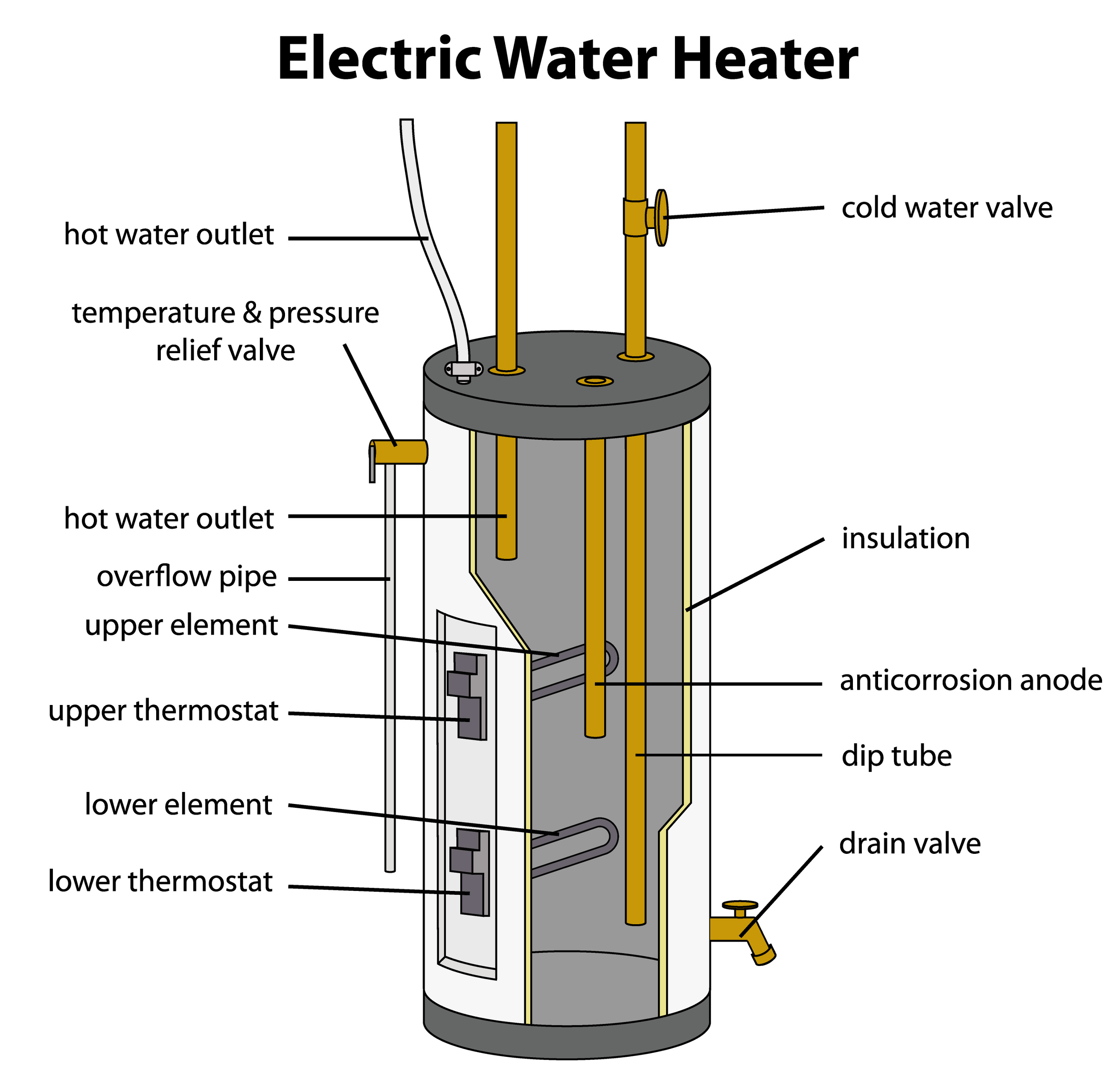
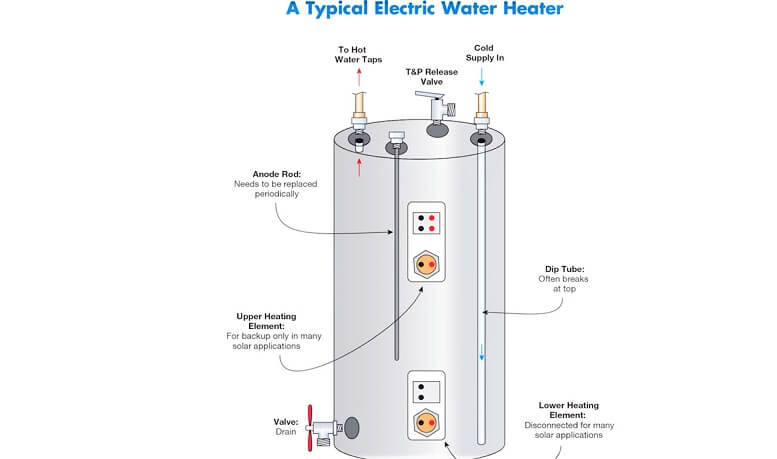
So, let's get to the heart of it: Do hot water heaters need electricity? The answer is often, but not always, a resounding "yes," depending on the type! An electric water heater, as the name suggests, absolutely relies on electricity to power its heating elements. These elements warm the water stored in the tank, much like a giant electric kettle. If the power goes out, your hot water supply will eventually run cold once the stored hot water is used up.
Must Read
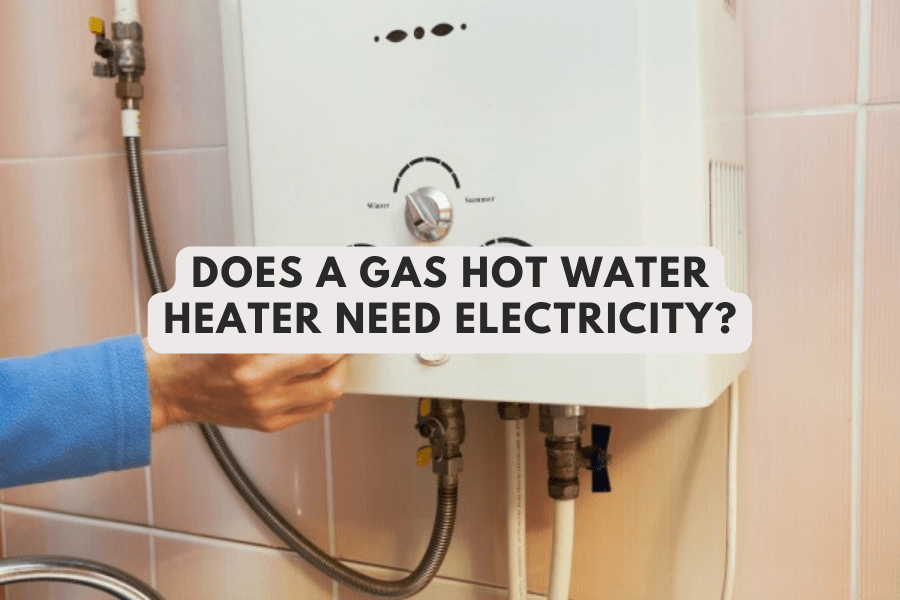
On the other hand, a gas water heater is primarily fueled by natural gas or propane. However, many modern gas models still require a small amount of electricity. This power often operates the electronic ignition (no more constantly lit pilot light!), the control panel, and sometimes a fan for power-venting exhaust gases safely out of your home. Older gas models with a standing pilot light are the rare exception; they can often provide hot water even during a power outage, as long as the pilot light is lit and the gas supply is uninterrupted. Then there are tankless water heaters, which heat water on demand. Both electric and gas tankless units require electricity for their sophisticated controls and sensors, even if the primary heating source is gas.
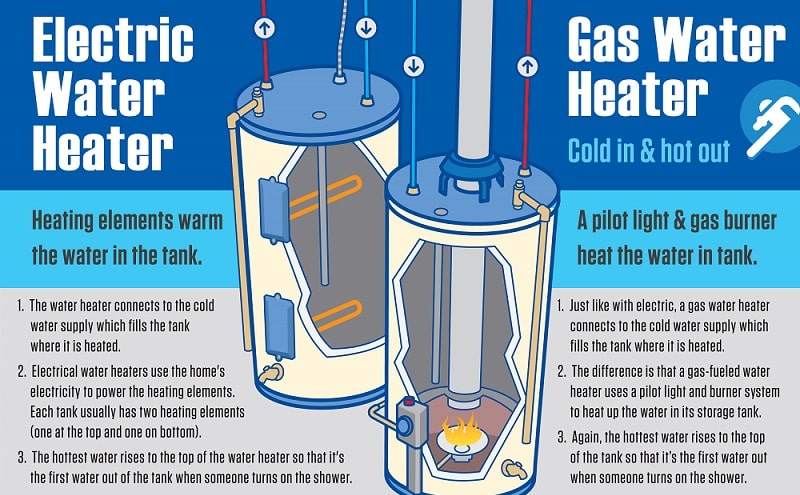
Ready for some simple, practical tips? First, identify your water heater's energy source. Check the label on the side of the unit; it will clearly state "Electric" or "Natural Gas" (or "Propane"). This knowledge is your first step! Second, if you have a gas water heater, check if it has a pilot light or an electronic ignition. This will tell you if it's likely to work during a power outage. Finally, consider installing a smart controller or timer for electric water heaters to optimize heating schedules and save energy, or simply adjust your thermostat setting to a comfortable, but not excessively hot, temperature like 120°F (49°C). Simple adjustments can make a big difference.
Understanding the inner workings of your home's hot water system might seem like a small detail, but it brings a surprising sense of empowerment and preparedness. No more wondering in the dark (literally!) if your shower will be a shock or a delight. Armed with this knowledge, you’re not just getting hot water; you’re mastering a little piece of your home, making your everyday life smoother and more energy-conscious. Enjoy the warmth, and the wisdom!