
Do First Alert Smoke Detectors Detect Carbon Monoxide

Alright, let's chat about something super important that often just quietly hangs out on our ceilings, doing its superhero job without much fanfare: your smoke detector! Specifically, we're diving into a question many of us might ponder while making breakfast or chilling on the couch: “Does my First Alert smoke detector also detect carbon monoxide?”
It’s a great question, isn't it? Like wondering if your really cool multi-tool also makes toast. (Spoiler: probably not, but wouldn't that be neat?). We all want to feel safe and sound in our homes, and understanding what our gadgets are actually protecting us from is a big part of that peace of mind.
The Scoop: Are They One and the Same?
So, let's get right to it. Do First Alert smoke detectors automatically detect carbon monoxide (CO)? The short, friendly answer is: not all of them, no! Think of it this way: your trusty smoke detector is a master at sniffing out the tell-tale signs of fire – smoke, those wisps of danger that come from a forgotten casserole or a wonky electrical outlet.
Must Read
Carbon monoxide, on the other hand, is a whole different beast. It's like the ultimate stealth ninja of gases. It’s invisible, odorless, and tasteless. You won't see it, you won't smell it, and you certainly won't taste it. That's why it's often called the "silent killer." So, a device designed to spot smoke usually isn't equipped to catch CO – unless it's specifically designed to do both!
Why the Two-in-One is a Star Player
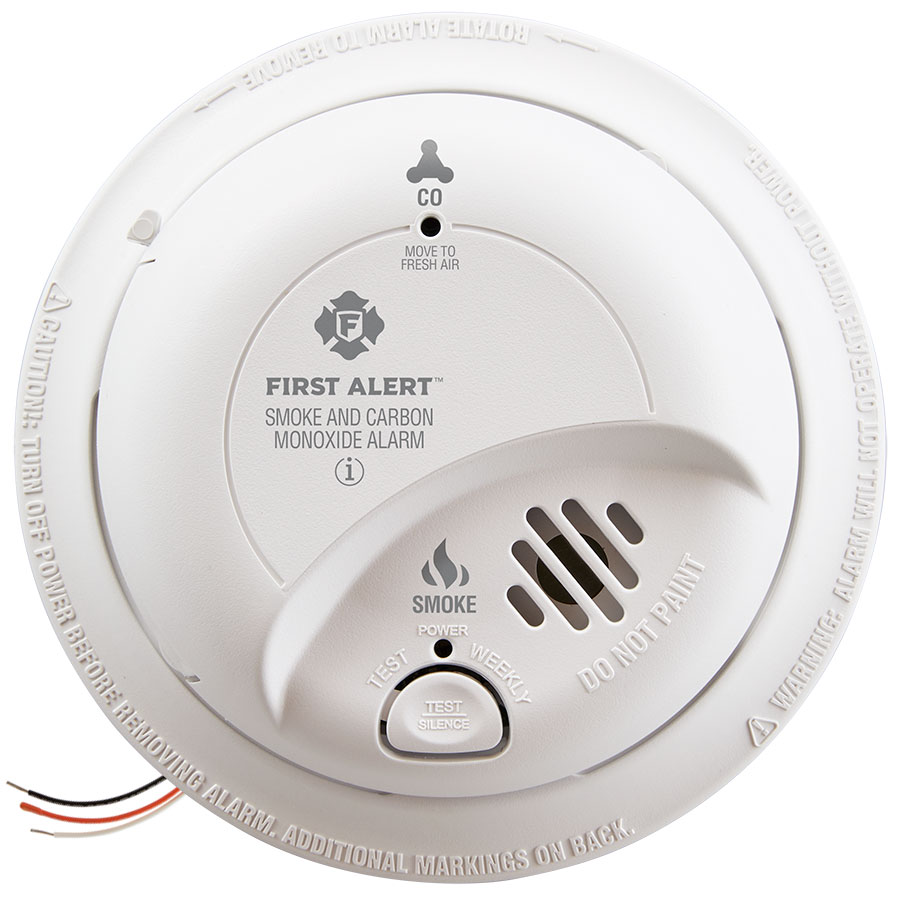
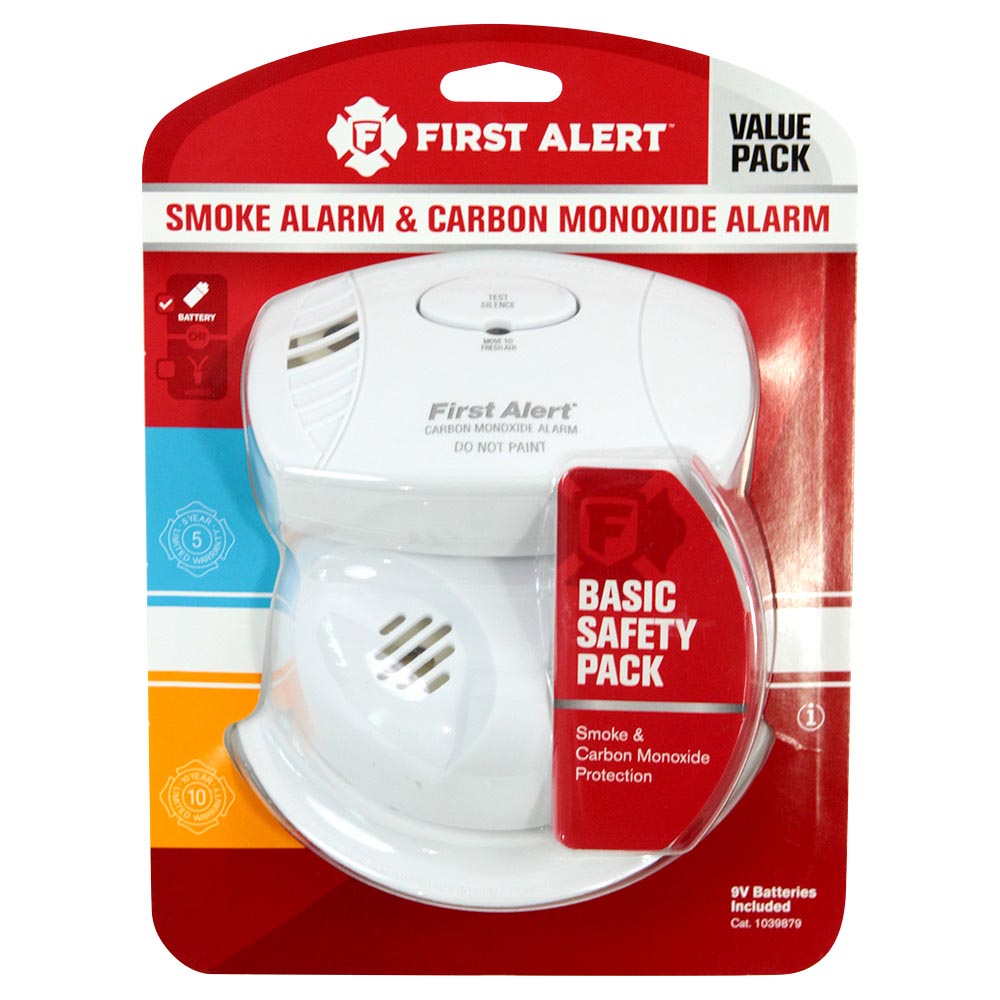
Now, here's where First Alert steps in with some serious cleverness. While many traditional smoke detectors are just for smoke, First Alert (and other brands, too!) makes fantastic combo units. These are the super-achievers of the home safety world, designed to detect both smoke AND carbon monoxide from one sleek little device.
Imagine going to a party. You wouldn’t expect the DJ to also be whipping up gourmet appetizers, right? But if they could do both, that would be amazing! That’s what a combined smoke and CO detector does – it’s a multi-talented guardian for your home.

Why do you need both types of protection? Let’s break it down:
Smoke detectors are your early warning system for fires. They scream (or beep loudly, at least!) when there’s smoke from an oven fire, a wiring issue, or even that time you accidentally left the popcorn in for too long. They give you precious time to get out safely.
Carbon monoxide detectors are protecting you from something entirely different. CO can be produced by faulty furnaces, gas stoves, water heaters, fireplaces, or even a car running in an attached garage. It prevents your body from absorbing oxygen, and that’s incredibly dangerous, often causing symptoms that mimic the flu before things get critical. You need a dedicated sensor to sniff out this sneaky gas.
How to Check Your Own Safety Sidekick!
Feeling a little like you need to give your ceiling-dweller a closer inspection? Good! Here’s how you can tell if your existing First Alert device is a smoke-only detector or a cool combo unit:

1. Give it a peek: Carefully read the label on the back or front of your device. It should clearly state whether it detects "Smoke," "Carbon Monoxide," or "Smoke and Carbon Monoxide." It's usually pretty obvious!
2. Check the manual: If you're really stumped (or just love a good instruction booklet), dig out the manual or look up your model number online. First Alert has excellent resources.
3. Look for the button: Many combined units will have a "Test/Silence" button, but sometimes they'll also indicate their dual function right on the casing. Some even have different lights for smoke and CO warnings.
It’s like checking if your car has heated seats – you just need to know what features you’ve got!
The "Why You Should Care" Fun Zone
Okay, so why should you care about this beyond just ticking off a safety checklist? Because your home is your sanctuary, your happy place, where memories are made! And making sure it's safe from both smoke and CO is like giving your sanctuary a superhero shield.
Think about it: you spend time decorating, cooking your favorite meals, binge-watching shows, and cuddling with pets (or kids!). You wouldn't want an unseen danger to sneak in and mess with all that joy, right?
Having both types of detectors is like having two different guard dogs for your home – one barks loudly when it sees a stranger (fire!), and the other is a super-sniffer that quietly alerts you to something toxic nobody else can detect (CO!). You want both protecting your castle!
Placement and Maintenance: The Easy-Peasy Guide
Once you know what you have (or what you need!), a few simple steps will keep you extra safe:
- Location, Location, Location:
- For smoke alarms: Place them on every level of your home, inside and outside sleeping areas, and in the basement.
- For CO alarms (or combo units): Also on every level, especially near sleeping areas. It's smart to place one near any fuel-burning appliances (like your furnace or water heater), but not right next to them, as the initial CO burst when they turn on can cause false alarms.
- Test them monthly: Just press that "Test" button! It’s a quick beep that confirms your device is awake and ready for action. Imagine it as a little "hello, I'm still here!" from your safety buddy.
- Change batteries annually: When Daylight Saving Time rolls around, it's a great reminder to swap out those batteries. Or pick a birthday, or an anniversary – make it a memorable, once-a-year ritual.
- Replace units every 5-10 years: Detectors don’t last forever. Check the manufacture date on the back of your unit. Technology improves, and sensors degrade over time.
Taking care of your detectors is like giving your car an oil change – a small bit of effort now saves you a lot of headache (and potential danger!) down the road.
Wrapping It Up With a Smile
So, the next time you glance up at that little disc on your ceiling, you'll know exactly what it's up to. Whether it's a dedicated smoke sniffer, a diligent CO guardian, or a fantastic two-in-one, knowing its job helps you ensure your home is fully protected.
It’s all about being a little bit informed, taking a few easy steps, and then going back to enjoying your wonderfully safe and cozy home. Here’s to happy, healthy, and hazard-free living!